

FAA seeks 787 fan cowl fix over dual engine shutdown risk

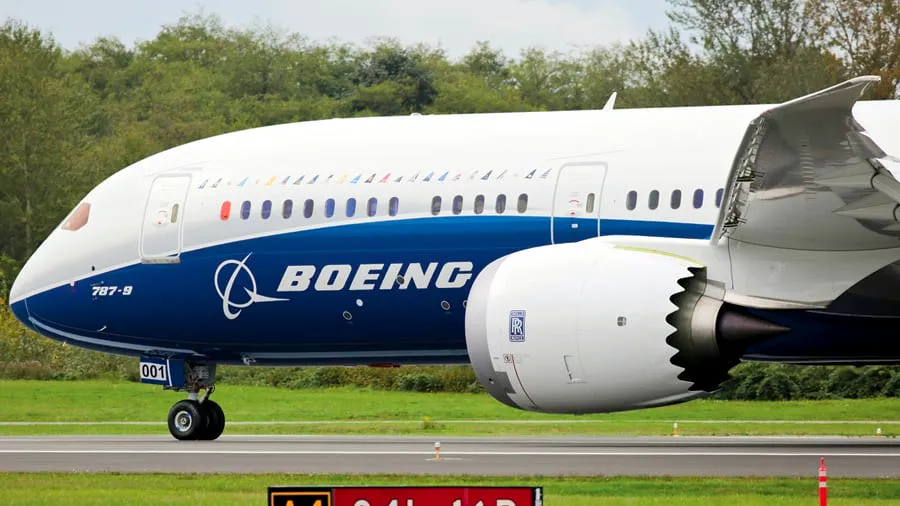
Dhaka: The US Federal Aviation Administration (FAA) has proposed mandatory fan cowl modifications on certain Boeing 787 Dreamliners after Boeing found that debris from a serious engine failure could damage the opposite engine and potentially lead both to shut down mid-flight.
The proposed airworthiness directive applies to select Boeing 787-8, 787-9, and 787-10 aircraft powered by Rolls-Royce Trent 1000 engines. The FAA estimates 22 US-registered aircraft would be affected by the rule.
The issue involves the left fan cowl of the aircraft's right engine. Boeing determined that existing protection does not adequately shield several oil lines from debris that could be released during an uncontained rotor failure in the left engine.
The FAA cautioned that such debris could damage the right engine and potentially result in an in-flight dual engine shutdown.
Boeing flagged the issue to the FAA and developed corrective changes. The manufacturer issued a Special Attention Requirements Bulletin on February 19, detailing inspections and modifications for the affected aircraft.
Under the proposed directive, operators would be required to review maintenance records or physically inspect the right engine's left fan cowl to identify whether one of three affected part numbers is installed.
Any aircraft found with an affected fan cowl would then require modification or replacement of the part. The proposal would also bar operators from installing affected fan cowls on aircraft that do not have them.
The FAA estimates the initial records check or inspection would take three work hours per aircraft, at a cost of USD 255 per unit, or USD 5,610 total for the 22 US-registered aircraft covered. No cost estimate was provided for the subsequent modification or replacement work.
The proposed rule stems from a certification concern rather than any accident or in-service incident involving the 787. The concern is whether the aircraft carries sufficient protection in the event that an uncontained failure in one engine sends high-energy debris toward the other.
Transport category aircraft are designed so that an uncontained engine failure does not prevent a flight from being completed safely, with federal certification standards specifically accounting for structural damage caused by such failures.
If finalized, the directive would make Boeing's February bulletin mandatory for affected US operators, with compliance timelines following those already outlined in the bulletin once the rule takes effect.
The FAA is accepting public comments on the proposal through September 21, before deciding whether to issue a final directive.