

Unruly passengers in sky : growing threat to aviation safety

According
to the International Air Transport Association (IATA), incidents involving
disruptive passenger behavior continue to rise globally. IATA reported one
unruly passenger incident for every 480 flights in 2023, compared with one
incident for every 568 flights in 2022. The most common offenses include
refusal to comply with crew instructions, verbal abuse, intoxication, and
physical assault.
Global
response : zero tolerance
Most
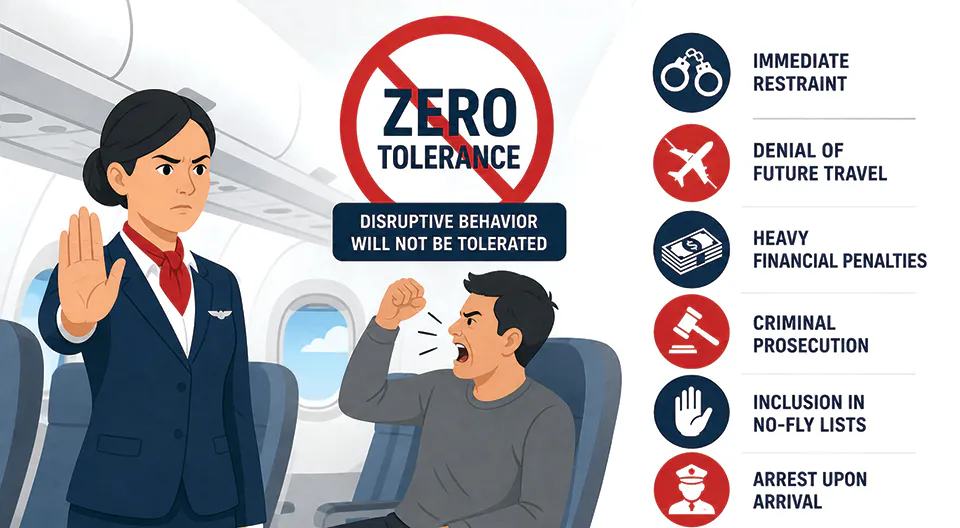
major airlines today follow strict "zero tolerance" policies toward
disruptive passengers. Depending on the severity of the offense, passengers may
face:
- ·
Immediate
restraint during flight
- ·
Denial of
future travel
- ·
Heavy
financial penalties
- ·
Criminal
prosecution
- ·
Inclusion
in no-fly lists
- ·
Arrest upon
arrival
International
aviation regulations recognize unruly passenger behavior as a direct threat to
flight safety. IATA and ICAO have repeatedly urged governments to strengthen
legal frameworks to ensure offenders face appropriate consequences.
Recent
Biman incident draws attention
The
issue has once again come under public scrutiny following a widely circulated
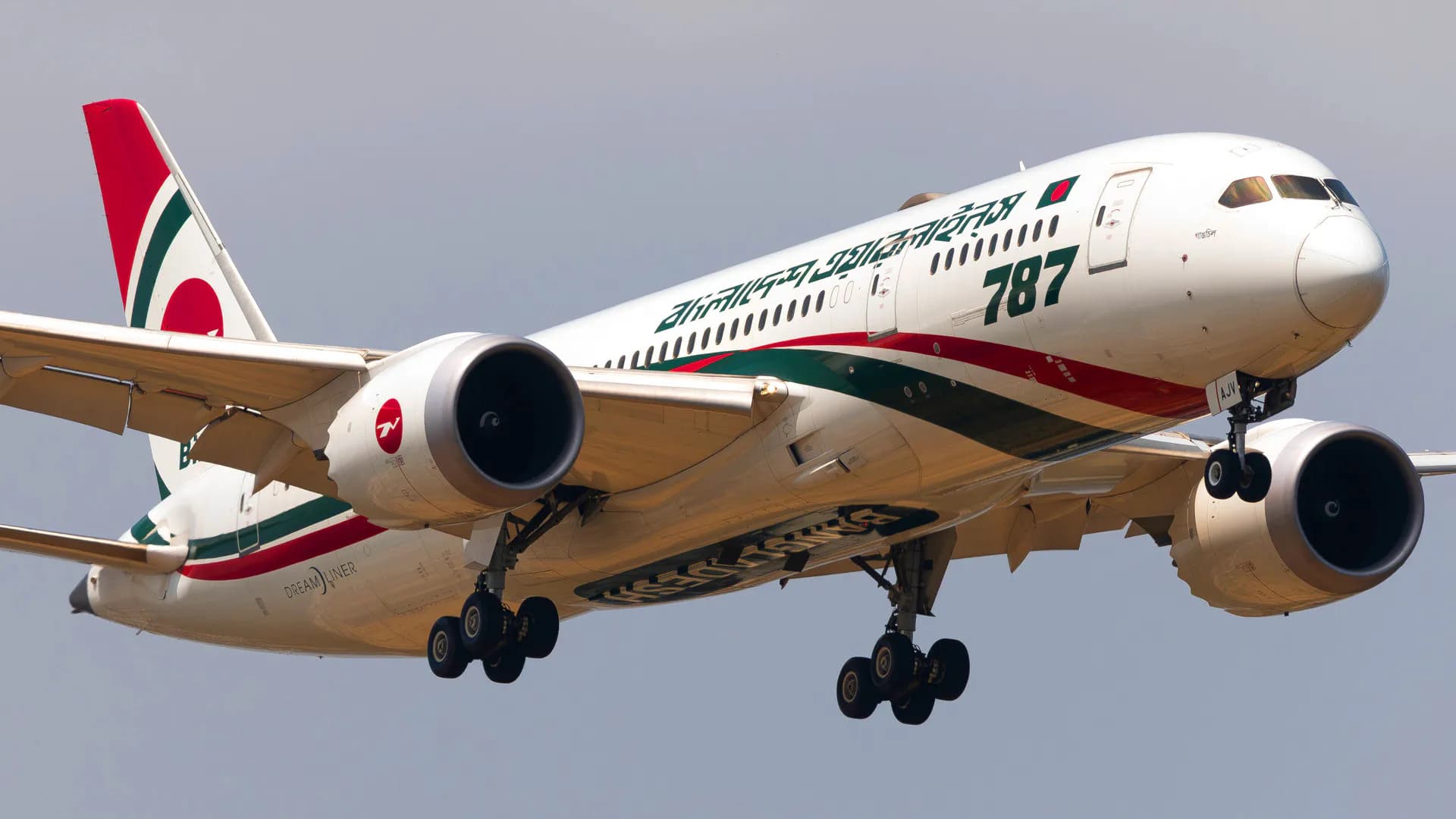
video showing two passengers involved in a physical altercation aboard a Biman
Bangladesh Airlines flight operating between Sylhet and London. The argument
escalated into a fistfight in the cabin, causing panic among passengers,
including children and elderly travelers. Cabin crew members eventually
intervened and restored order.
Reports
indicate that despite the seriousness of the incident, no immediate legal
action was publicly announced against the individuals involved. Several
international media outlets covering the incident similarly noted the absence
of reported enforcement measures after landing.
Earlier
cases
The latest incident is not an isolated one. In 2022, another disturbance aboard a Biman flight reportedly resulted in police detention of several passengers after arrival. Internationally, airlines regularly report incidents involving physical violence, threats, attempts to open aircraft doors, intoxication-related misconduct, and harassment of cabin crew members.
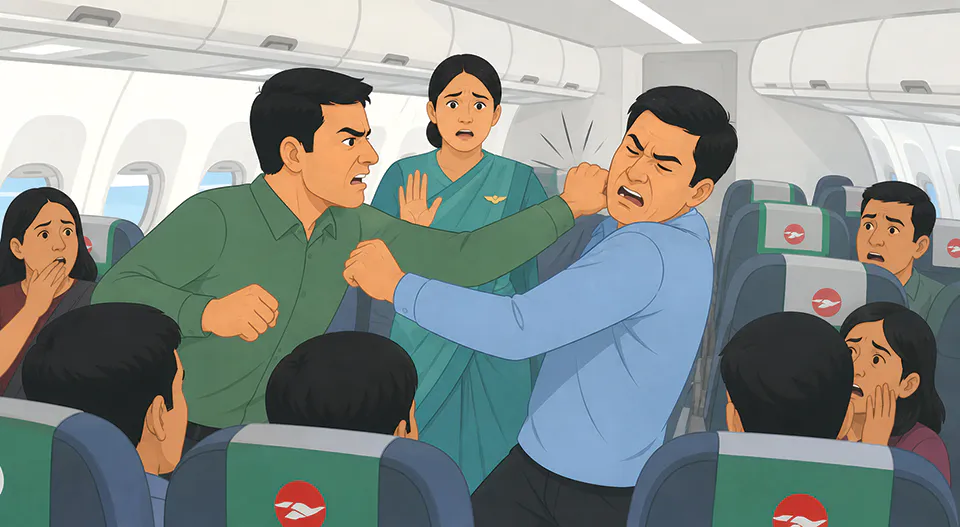 An illustration of a recent incident onboard a Biman Bangladesh flight where two men argued and exchanged punches
Research
on air-rage incidents worldwide found that law-enforcement agencies became
involved in more than 85 percent of documented cases, while nearly
three-quarters of offenders were arrested upon arrival. Flight diversions were
required in over one-third of serious incidents, resulting in substantial costs
for airlines.
Cost
of inaction
Industry
observers argue that a lack of visible enforcement can unintentionally
encourage repeat occurrences. Aviation experts emphasize that passengers must
understand that aircraft cabins are not ordinary public spaces. At cruising
altitude, even a minor confrontation can quickly become a safety hazard.
Cabin
crews are trained primarily for passenger safety and emergency response. When
crew members are forced to spend valuable time managing disruptive passengers,
their ability to perform critical safety duties may be compromised. IATA warns
that violence, harassment, and refusal to obey crew instructions can threaten
the safety and security of everyone on board.
Why
do such incidents occur?
Studies
and industry reports identify several common triggers:
- ·
Disputes
over seat allocation or recline
- ·
Excessive
alcohol consumption
- ·
Arguments
over cabin baggage
- ·
Cultural
misunderstandings
- ·
Stress
associated with long-haul travel
- ·
Failure to
comply with crew instructions
- ·
Personal
conflicts carried onto the aircraft
Many
airlines now provide specialized de-escalation training for cabin crews and
work closely with airport authorities and law-enforcement agencies to manage
such situations.
Way
forward for Bangladesh
As
Bangladesh's aviation sector continues to expand and international passenger
traffic grows, maintaining discipline and ensuring passenger safety must remain
a priority.
Industry
stakeholders suggest several measures:
- ·
Adoption of
a clearly communicated zero-tolerance policy.
- ·
Mandatory
reporting and investigation of serious onboard incidents.
- ·
Close
coordination between airlines, airport authorities, and law-enforcement
agencies.
- ·
Public
awareness campaigns highlighting the consequences of unruly behavior.
- ·
Consideration
of administrative penalties, travel restrictions, or prosecution in serious
cases.
- ·
Enhanced
cabin crew training in conflict management and de-escalation techniques.
Aviation
remains one of the safest modes of transport in the world. However, the
confined environment of an aircraft leaves little room for disruptive conduct.
Every passenger has a responsibility to respect fellow travelers and comply
with crew instructions.
While
unruly passenger incidents involve only a small minority of travelers, their
impact on safety, operational efficiency, and passenger confidence is
disproportionately large. The recent Biman incident serves as a timely reminder
that maintaining order in the skies requires not only professional cabin crew
and robust procedures, but also visible accountability for those who endanger
the safety and comfort of others.