

Financially weak airlines most exposed to rising fuel costs

Dhaka: Financially weak airlines, particularly those that avoided hedging on fuel costs and focus on leisure travel, face greater exposure to financial distress amid persistently high fuel prices, according to consultancy Alton Aviation.
John Mowry, managing director of Alton Aviation, described the energy crisis as the "first bump in the road" for aviation since the pandemic.
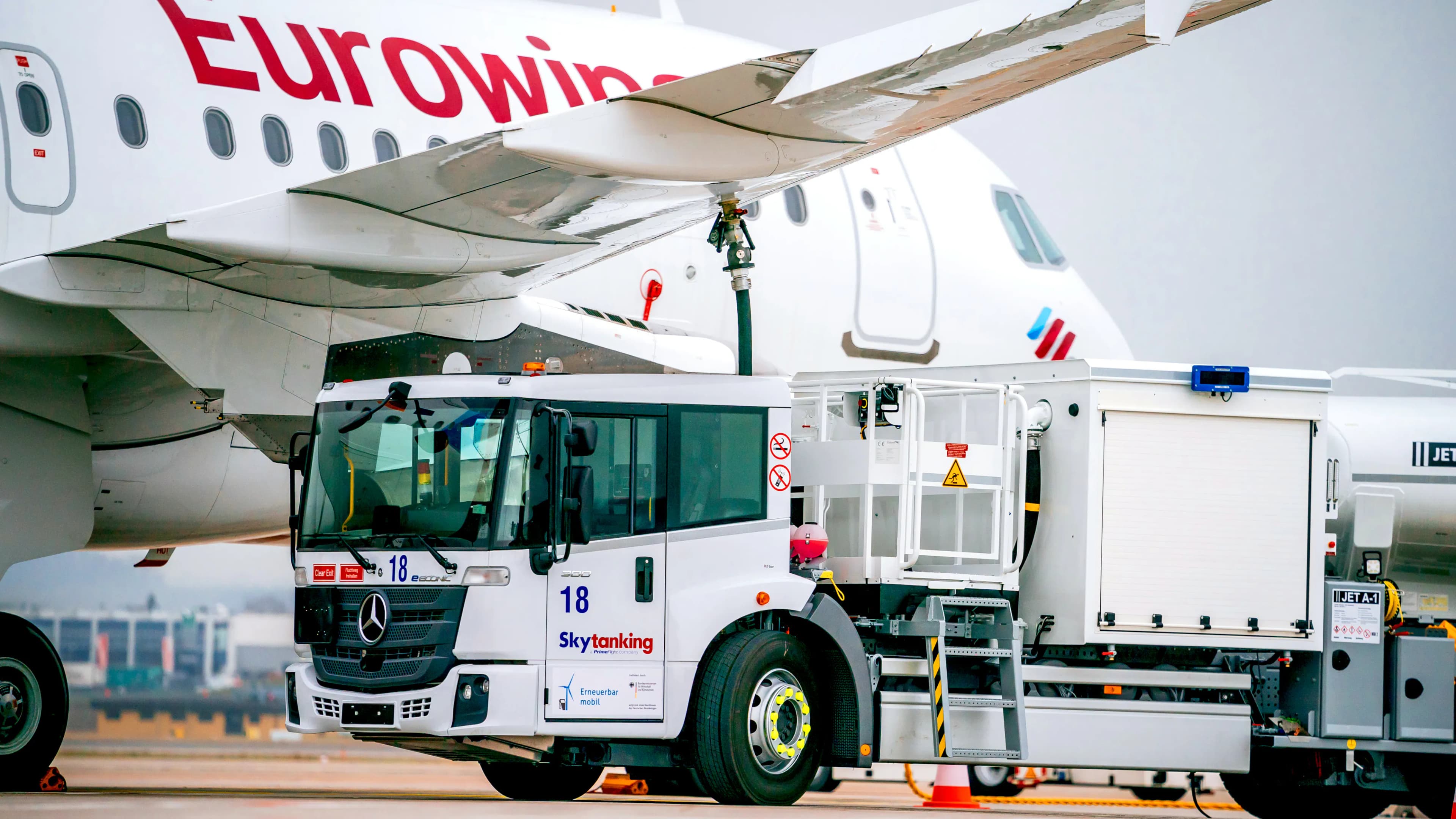
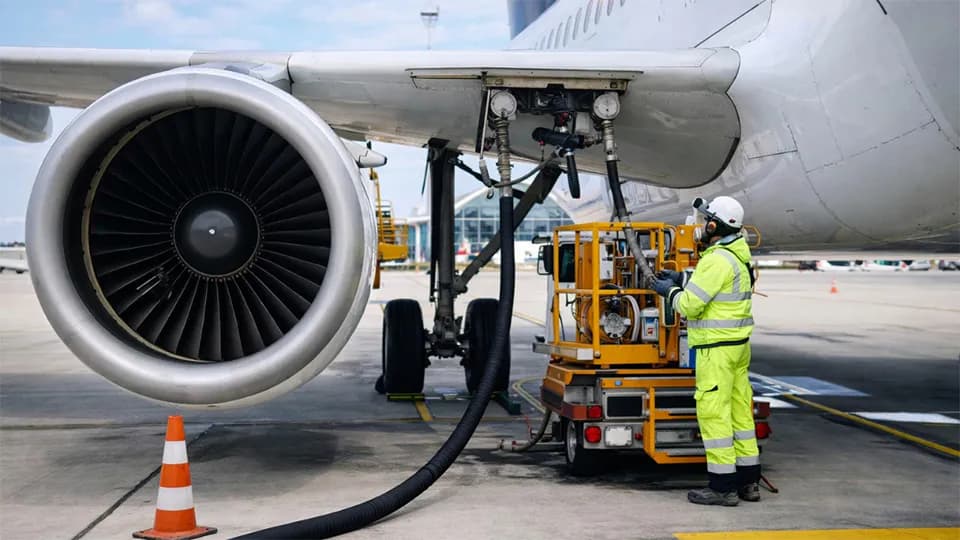
Jet fuel prices more than doubled after the Iran war began, triggering massive flight cuts and pushing Lufthansa CityLine and Spirit Airlines out of business. Jet fuel typically accounts for 30% of an airline's total expenses.
Before the conflict, Alton Aviation projected 5–7% global air traffic growth for the year. That forecast now requires adjustment depending on how long the conflict continues.
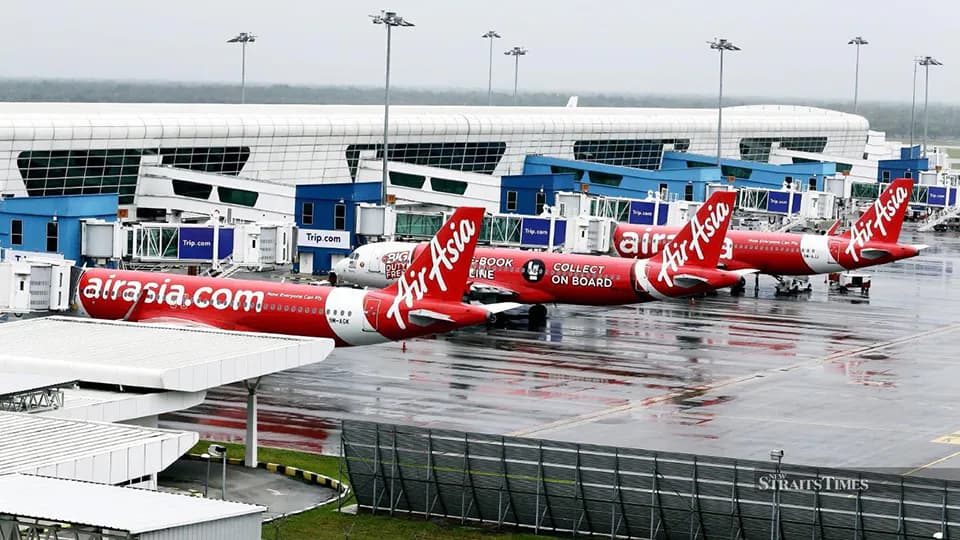
Mowry noted that airlines practicing effective fuel hedging are better shielded from cost increases and face less pressure to raise fares. Low-cost carriers focused on leisure travelers are hit hardest, as price-sensitive passengers tend to pull back when fares climb.
Full-service carriers accommodating business travelers are comparatively more insulated, as corporate clients remain willing to pay higher airfares when travel is necessary.
Some airlines still carrying financial wounds from the pandemic are particularly vulnerable. "If prices remain high for a long time, it will be hard for a lot of airlines," Mowry said.
Airlines are responding by raising fares and ancillary charges while hoping to limit demand erosion. Meanwhile, some carriers are adding direct Asia–Europe routes to capture market share from Middle East airlines that have not fully resumed operations.
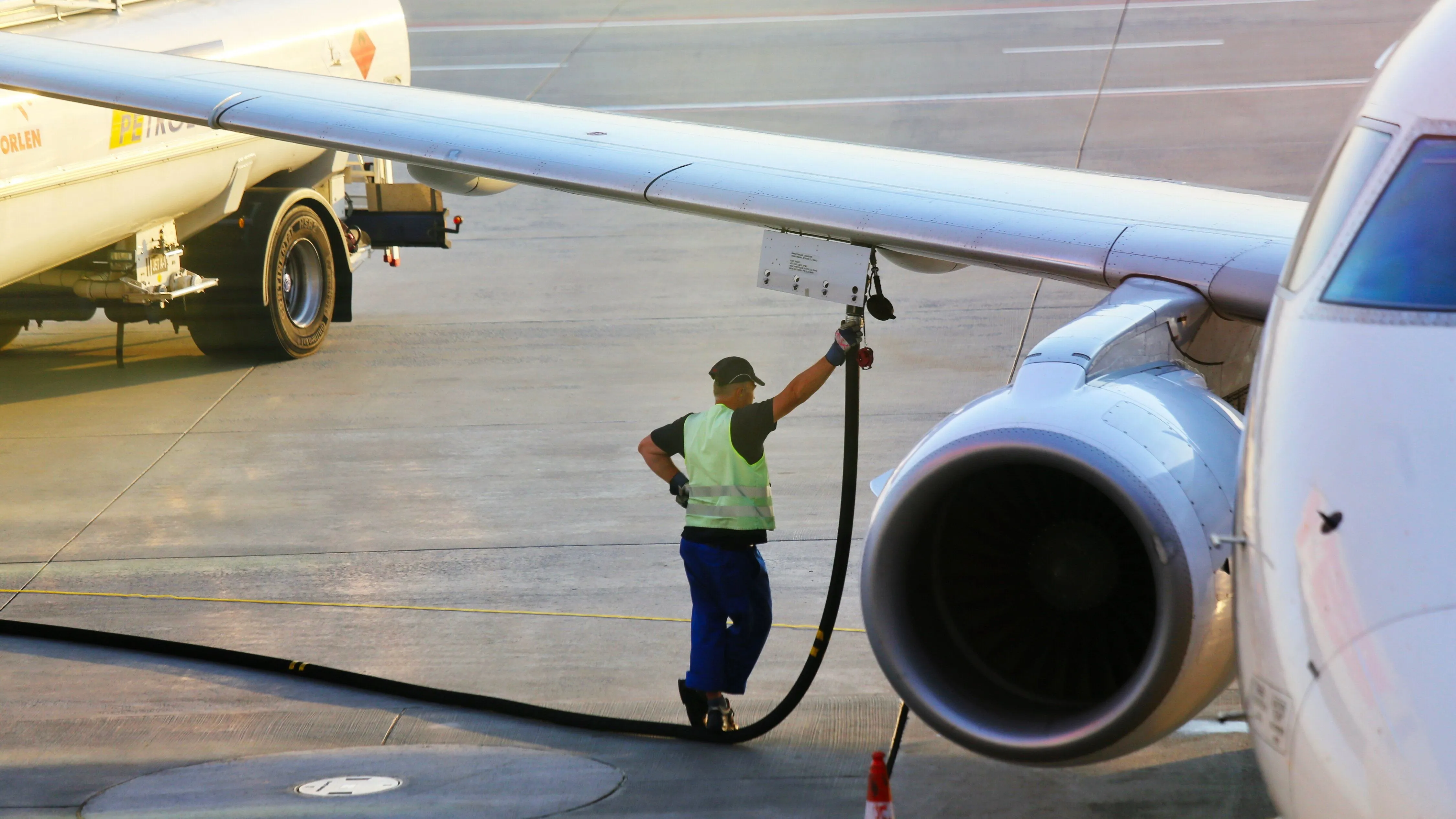
If the downturn is prolonged, airlines are likely to park aircraft — especially older, less fuel-efficient jets. New deliveries, which are 15–20% more fuel-efficient than older models, will continue to be accepted as older aircraft are retired.
Aircraft lease extensions could also slow if airlines require less capacity than anticipated. The past three to four years had been strong for leasing companies due to aircraft shortages and delayed manufacturer deliveries.
Maintenance, repair, and overhaul providers could see a dip in demand due to reduced flight hours. Aircraft owners may forgo heavy checks or engine overhauls in favor of retiring jets and selling their parts, Mowry noted.