

Burj Khalifa developer eyes world's longest tower in Bangkok

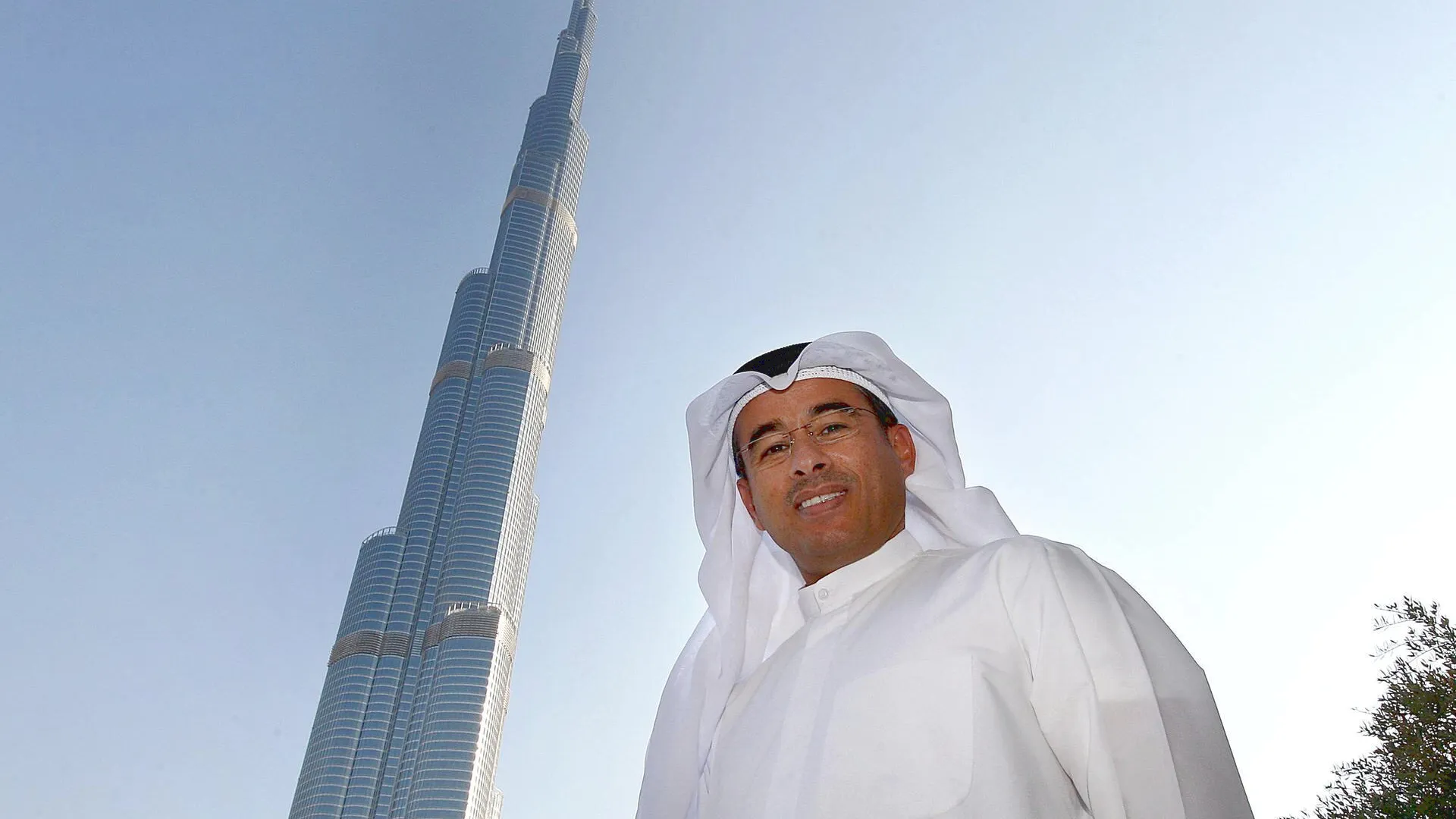
Dhaka: Mohamed Alabbar, the founder of UAE-based Emaar Properties and Eagle Hills, has revealed plans for a mixed-use development in Bangkok worth around USD 5 billion, including a landmark tower that could become the world's tallest building.
Alabbar, who developed the Burj Khalifa and The Dubai Mall, discussed the plan during a recent visit to Thailand. The investment is estimated at THB 160 billion to THB 170 billion, equivalent to around USD 5 billion.
In a recent media interview, the Emirati business tycoon said his company had studied investment opportunities in Bangkok for four years and spent about 18 months negotiating the current deal. He hopes to finalize an agreement within the next one to two weeks.
Eagle Hills will initially lead the project, while Emaar may join later to develop the retail and hotel components.
The development will cover roughly 32,000 to 48,000 square meters of leased land in Bangkok. It will include residences, retail spaces, offices, and hotels, though the exact location has not been disclosed.
The overall development is expected to take three to five years. The first year will go to detailed design and permits, and construction is likely to begin around 18 months into the process.
Alabbar said he would welcome the chance to build the world's tallest tower if regulations and government approvals allow it. He added that the design should reflect Thai identity, with Thai architects playing a leading role.
He previously met the Thai government under then-Prime Minister Srettha Thavisin in 2024 to discuss investment. He also expressed interest in alternative construction technology for super-tall buildings, including methods that reduce reliance on conventional concrete.
Thailand would become Eagle Hills' first investment destination in Southeast Asia, with Indonesia considered as the next potential market.
Alabbar said the company focuses on long-term opportunities rather than short-term economic conditions, as its projects typically have development horizons of 10 to 15 years.
The comments come as Thailand's economy and property sector face slower growth and weaker market conditions. Foreign tourist arrivals fell 4.59% in the first 10 months of 2026 compared with the same period last year.
Alabbar remained optimistic, describing Bangkok as the living heart of Asia and saying its tourism industry is growing by about 3%.
Beyond Bangkok, he is interested in acquiring or leasing coastal land for a large-scale resort, with sites covering about 4.8 million to 6.4 million square meters under consideration. He also said Eagle Hills would consider redeveloping the Khlong Toei Port area if the government opens it to private investors.