

Riyadh Airport crisis disrupts airline networks, raises costs across Middle East

Dhaka
: The prolonged closure of Riyadh's King Khalid International Airport is
disrupting airline networks across the Middle East, forcing carriers to suspend
services, revise schedules and prepare for potentially higher operating costs
as regional security concerns intensify.
Saudi
authorities have suspended airport operations through October 17 following a
series of deadly attacks, prompting international and regional airlines to
cancel flights to Riyadh and, in some cases, other Saudi destinations. The
disruption is extending beyond the Saudi capital as carriers reassess route
safety and operational plans.
Lufthansa
Group has suspended Riyadh services through October 16, while Air France-KLM
has extended its suspension of flights to and from the Saudi capital through
the end of October. Etihad Airways has canceled its Abu Dhabi-Riyadh services
through October 19 and also suspended some flights to Jeddah and Dammam. Qatar
Airways has temporarily halted flights to Riyadh and Dammam.
The
disruption is also affecting Asian and other international carriers. India's
IndiGo has canceled flights to Riyadh, Jed-dah, Dammam and Madinah through
Oc-tober 17, while Delta Air Lines has postponed the launch of its planned
Atlanta-Riyadh service until March 2027. Cathay Pacific has delayed the
resumption of its Riyadh and Dubai routes until January 31, 2027.
Operational
challenges spread beyond Riyadh
The immediate challenge for airlines is managing aircraft, crews and passenger itineraries when scheduled services cannot operate as planned. Cancellations can disrupt connecting journeys, require rebooking and leave aircraft and crew out of position for subsequent flights.
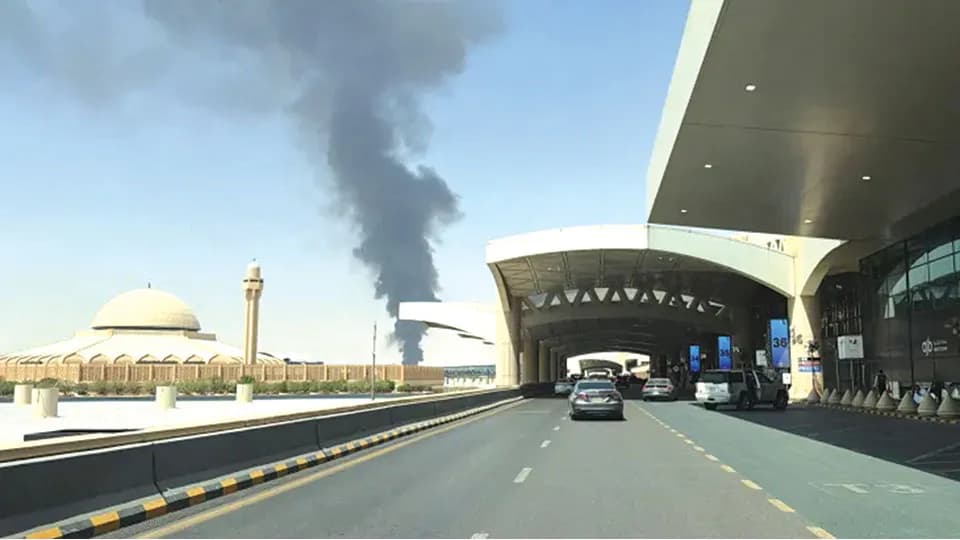
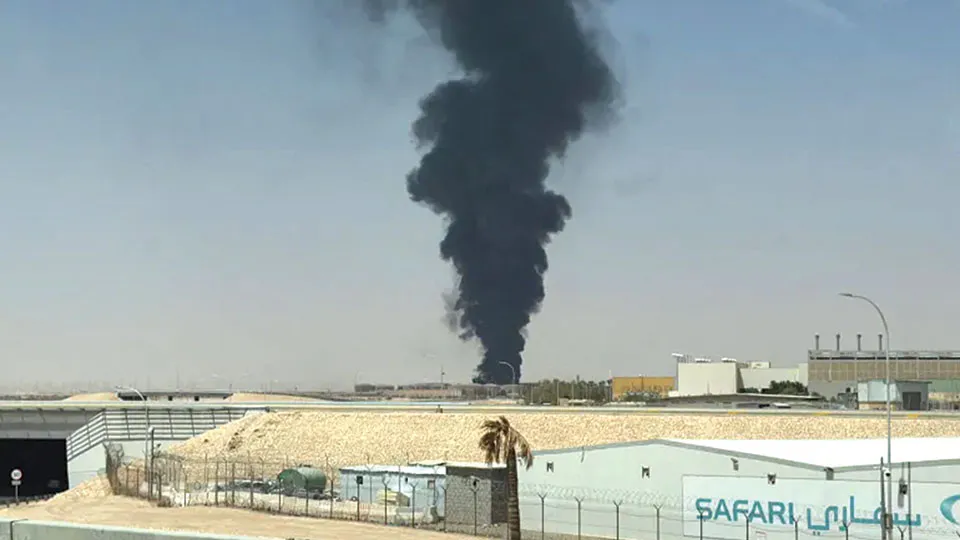
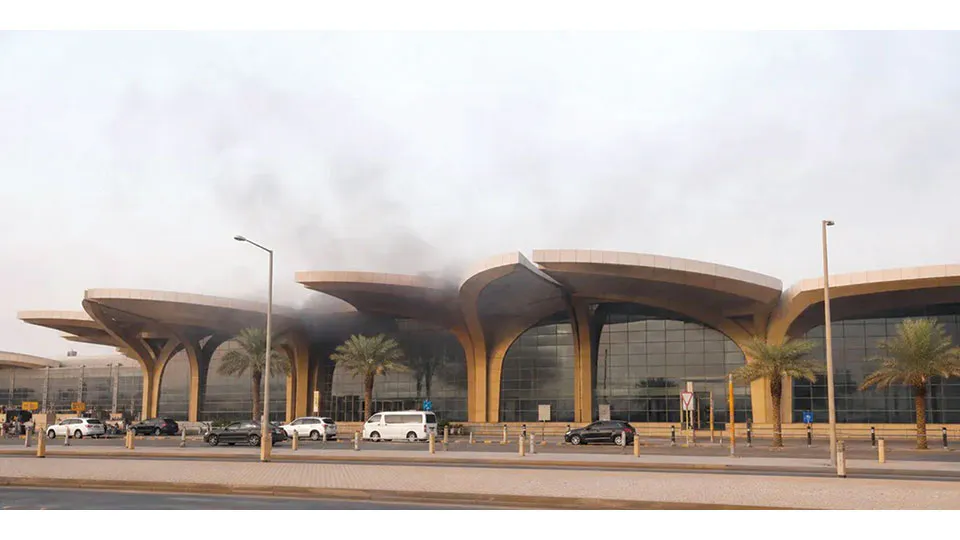 Black smoke coming out of Riyadh Airport following Houthi attack
Reuters
reported that aviation safety advisories issued by US and European authorities
have urged caution over Saudi airspace. Aviation risk advisers have also
recommended avoiding parts of the region, with some Europe-to-Asia services
potentially rerouted over Central Asia. Such alternatives can add substantial
distance to certain journeys and complicate access to other Gulf destinations.
However,
the closure of Riyadh airport does not mean that all major Middle Eastern
aviation hubs are shut. Jeddah, Dubai, Abu Dhabi and Doha have continued to
play different roles in regional air travel, although individual routes and
schedules have been affected. The impact varies by airline, destination and
security assessment.
Higher
costs add to
The
operational disruption also carries financial risks for airlines already
managing volatile fuel prices and uncertain demand.
Longer routes can increase fuel consumption, crew hours and aircraft utilization costs. Airlines may also incur additional expenses for passenger accommodation, refunds, rebooking and schedule adjustments. Canceled flights can reduce revenue while many operating costs remain in place.
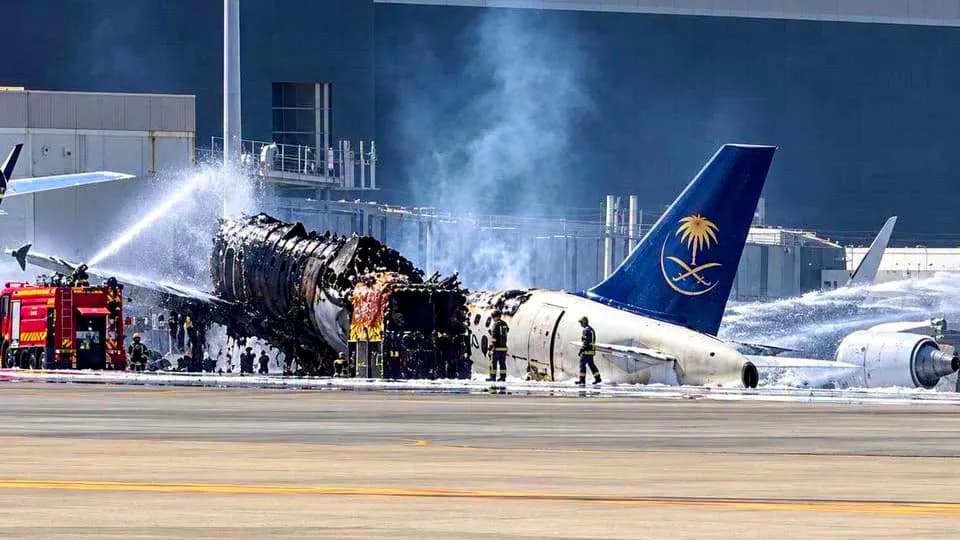
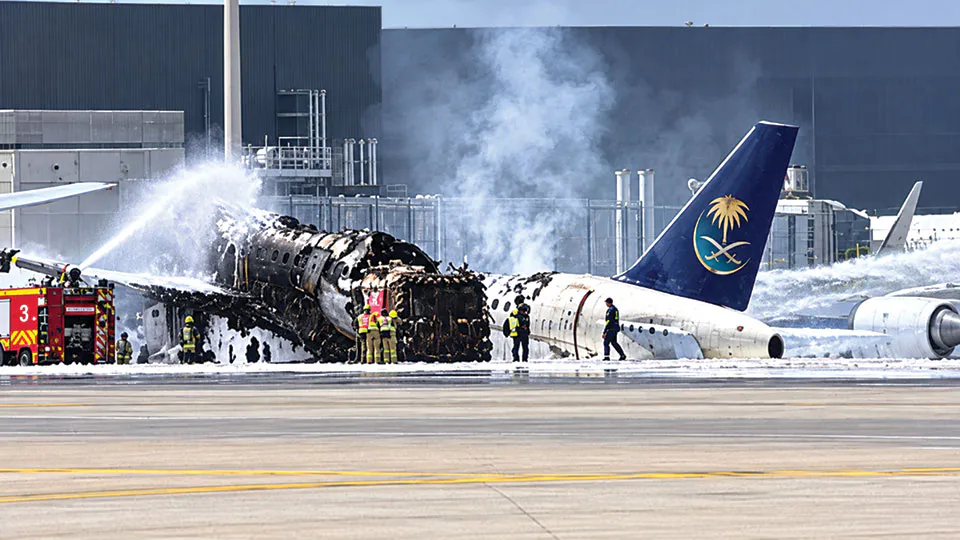 Image of a destroyed Saudia Airbus A320 at Riyadh King Khalid International Airport after a Houthi rebel ballistic missile attacked the airfield on October 8
The
scale of the financial impact will depend on how long restrictions continue,
how many services are suspended and whether carriers can recover capacity
through alternative routes. Airlines have not publicly quantified the overall
cost of the current disruption, so the extent of any effect on fares or
profitability remains uncertain.
Air
cargo operations may also face pressure when passenger flights are canceled, as
many shipments travel in aircraft cargo holds. Disruptions can reduce available
capacity, delay deliveries and require freight forwarders to seek alternative
routings, although the impact will vary according to cargo schedules and
available services.
Recovery
depends on security,
The
next challenge will be restoring reliable schedules once authorities determine
that Riyadh airport can safely resume operations. Even after reopening,
airlines may need time to reposition aircraft and crews, clear passenger
backlogs and rebuild normal schedules.
The
uncertainty is also affecting longer-term planning. Delta's decision to delay
its Atlanta-Riyadh launch illustrates how security concerns can influence route
development beyond the immediate period of cancellations.
For
airlines, the priority remains balancing operational continuity with passenger
and crew safety. The duration of the airport closure, the evolution of regional
security risks and the availability of safe alternative air corridors will
determine whether the disruption remains concentrated on Saudi routes or
continues to affect wider international connections.