

Bangladeshis key driver of Thailand's medical tourism boom : Thai envoy

Dhaka : Medical tourism is rapidly strengthening ties between Bangladesh and Thailand, as a growing number of patients travel abroad seeking advanced healthcare and specialized treatment.
Thai Ambassador Thitiporn Chirasawadi said, this trend reflects deep trust in Thailand's medical system, built on consistent quality, professional expertise, and successful patient outcomes. She noted that the embassy's role is to facilitate this movement, not to engage commercially, while continuing to support cooperation between the two nations.
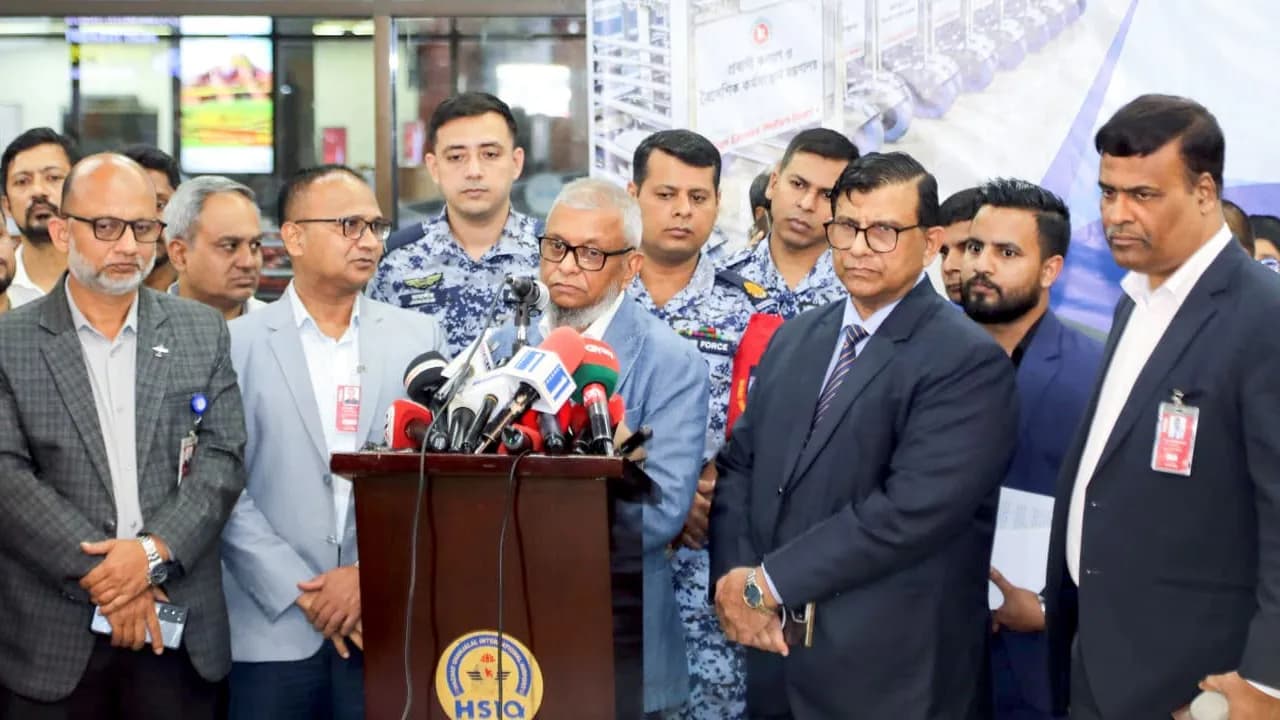
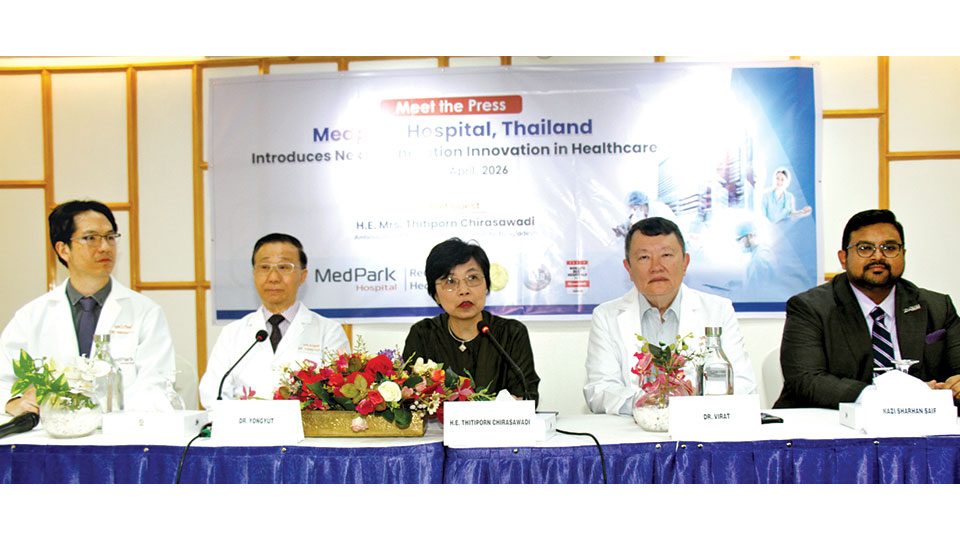
The scale of demand is evident in visa data. Speaking at a press conference at Pan Pacific Sonargaon Dhaka on April 11 by Bangkok's MedPark Hospital on the sidelines of Dhaka Travel Mart, the ambassador revealed that around 60 percent of visa applications from Bangladesh are for medical purposes. With approximately 9,000 applications processed each month, this translates to an estimated 65,000 Bangladeshis travelling to Thailand annually for treatment. During peak periods, the embassy processes between 800 and 1,000 applications daily.
To keep up with rising demand, Thailand introduced an e-visa system in early 2025, replacing the manual process. Although the transition initially caused delays due to high volumes and system adjustments, processing has since improved. Medical visas typically take up to two weeks, though urgent cases are prioritized through coordination between the embassy and hospitals.
Healthcare providers in Thailand are also expanding services to accommodate the growing number of Bangladeshi patients. MedPark Hospital in Bangkok is among the institutions benefiting from this surge, receiving thousands of patients from Bangladesh each year. The 550-bed hospital has earned global recognition, including a place on "World's Best Hospitals" list, and holds accreditation from the Joint Commission International.
According to Kazi Sharhan Saif, who oversees international marketing for Bangladesh and South Asia, MedPark has been witnessing 300 percent year on year growth in operations. He added that hospitals are introducing tailored treatment packages to make care more accessible, with MedPark currently offering a 25 percent discount on health check-ups for Bangladeshi patients, thousands of who visit MedPark annually for treatment purposes.
To further support patients, the hospital has established dedicated services, including Bangla-speaking coordinators and referral offices in Dhaka and Chattogram, assisting with everything from medical coordination to travel arrangements and follow-up care.
Other representatives from the hospital were also present on the occasion. Dr Virat Pinyopornpanit, Internal Medicine Specialist; Dr Yongyut Kongthanarat, Radiation Oncologist; and Dr Waiwit Sanguanwongwan, Orthopedic Surgeon; from MedPark Hospital gave detail presentations on what services the hospital offers and how they are using next-generation technology for various complex and high-acuity cases.