

Japan moves to curb overtourism with higher visitor tax

Tokyo : Japan is stepping up efforts to manage surging tourist numbers by introducing higher entry taxes and tightening visitor controls, as overcrowding begins to strain popular destinations.
From July 1, the government plans to raise its international tourist tax from JPY 1,000 (around USD 6) to JPY 3,000 (approximately USD 18) per person. Officials said, the increase is part of a broader strategy to balance rapid tourism growth with the well-being of local communities.
According to Hokuto Asano of the Embassy of Japan in Washington DC, Japan aims to attract 60 million foreign visitors and generate JPY 15 trillion in tourism spending by 2030. However, he emphasized that these goals must be achieved without compromising residents' quality of life and by encouraging travel beyond overcrowded hotspots.
Tourism to Japan has remained strong, particularly from the United States. Around 220,000 American visitors traveled to the country in February this year, marking a 15 percent increase compared to the same period in 2025. Although arrivals from China have declined, growth from other markets has more than compensated, keeping overall inbound tourism on an upward trajectory.
At the same time, authorities are closely watching global developments, including tensions in the Middle East, for any potential impact on travel demand.
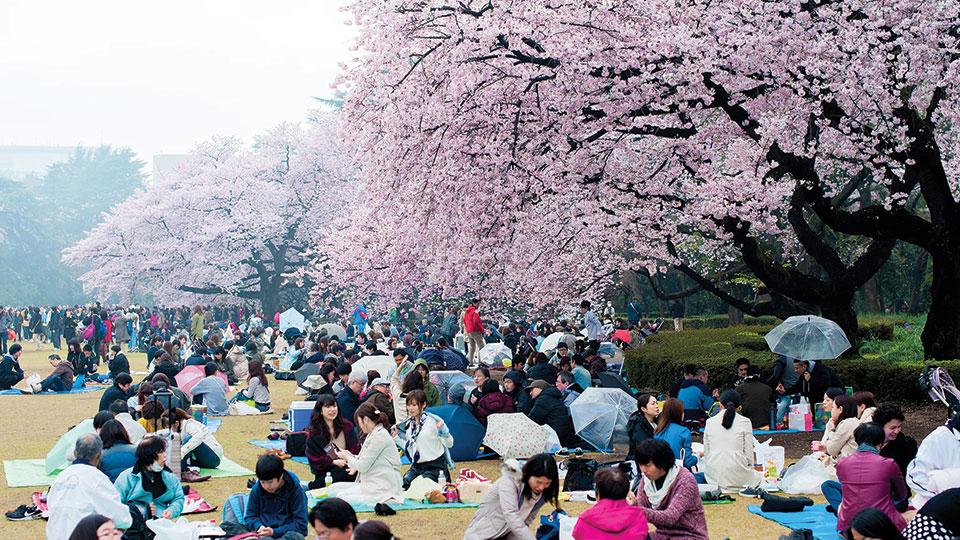
Concerns over overtourism have already led to visible disruptions. In Fujiyoshida, officials recently canceled a well-known cherry blossom festival after issues such as heavy traffic congestion and littering worsened with the influx of visitors. The decision reflects growing pressure on local governments to manage crowd control during peak travel seasons.
Asano noted that such challenges are not unique to Japan, pointing out that many countries are grappling with similar issues as global travel rebounds. In response, the Japan Tourism Agency is working to refine policies that can better distribute tourists across regions while preserving local living conditions.