

Bangladesh's rural communities could turn local heritage into tourism livelihoods

Dhaka
: Rural tourism could offer Bangladesh a way to spread the economic benefits of
travel beyond established destinations, creating livelihoods for local
communities while bringing visitors closer to the country's landscapes, food,
crafts and cultural traditions. Experiences in countries such as China show how
villages can turn these assets into sources of income when residents are
involved in planning and share in the returns.
For
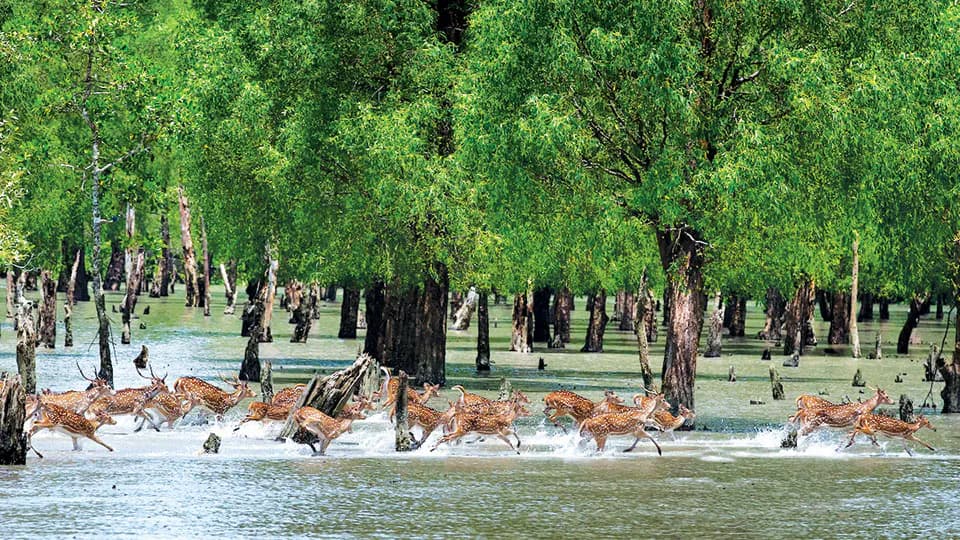
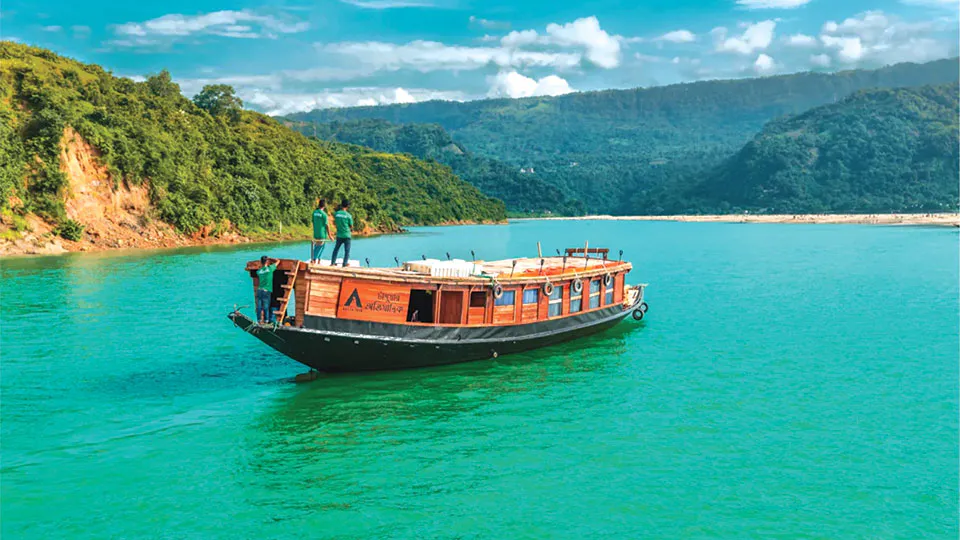
Bangla-desh, the opportunity extends from riverine communities and wetlands to
tea-growing areas, traditional villages and indigenous cultural regions. But
turning that potential into a sustainable tourism economy will require more
than attracting visitors. Better access, trained local service providers,
community ownership and environmental protection will be essential.
Building
on local initiatives
Bangladesh
already has a practical starting point. In Jaflong, the Bangladesh Tourism
Board and International Labour Organization launched a community-based tourism
initiative in the Khasi Punjee area in 2025. The project offers homestays,
guided activities, cycling, trekking, boating and opportunities to experience
Khasi food and culture. A community committee oversees tourism activities and
income, with an emphasis on participation by women and young people.
This provides a local example of how rural tourism can be organized around community ownership rather than treating residents simply as workers or performers.
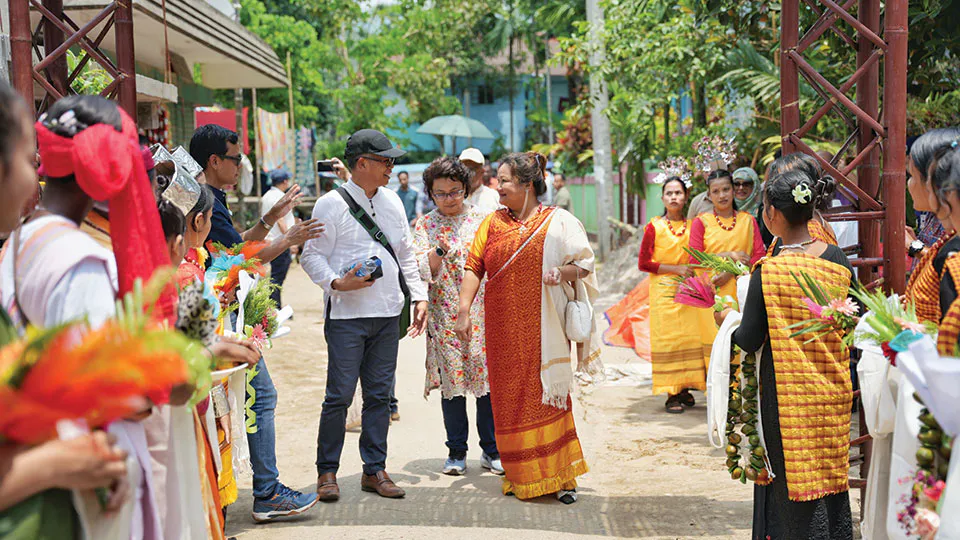 Jaflong's community-based tourism initiative in Khasi Punjee area offers tourists homestays, guided activities, cycling, trekking, boating and opportunities to experience Khasi food and culture
The
model has relevance for other parts of the country. In the haor regions of
Sunamganj, for instance, visitors could experience seasonal wetlands, local
fishing practices, village life and traditional food through locally managed
tours and accommodation. Similar opportunities exist in tea-growing communities
in Sylhet, craft-producing villages, riverine settlements and areas surrounding
the Sundarbans.
Such
development would need to be tailored to each location. In environmentally
sensitive areas, visitor numbers, boat movement, waste disposal and
construction would require careful management. In indigenous communities,
residents should have control over how their culture is presented and how
tourism revenue is distributed.
Lessons
from successful rural
International
experience offers useful lessons. In China's Shibadong Village in Hunan
Province, tourism has been developed alongside the preservation of traditional
Miao homes and cultural heritage. Miao embroidery workshops have created
opportunities for local women, while cultural activities and homestays have
expanded the village's tourism offering. The village recorded per capita annual
income of 30,755 yuan in 2025, compared with 1,668 yuan in 2013, according to
the Hunan provincial government.
The experience illustrates how tourism can support existing livelihoods and create new markets for local products rather than relying solely on accommodation and visitor spending.
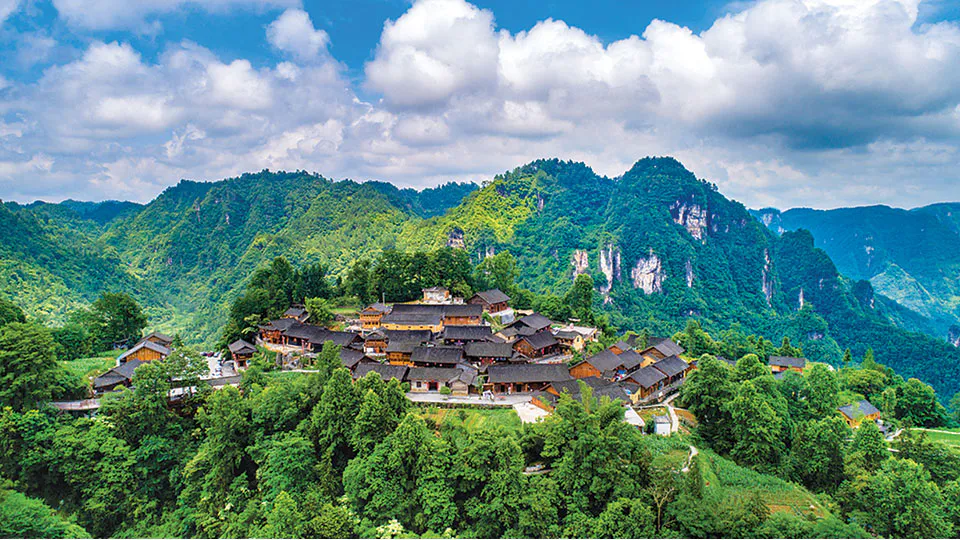 China’s hamlet of Lizizhai in Shibadong Village seen in spring
Bangladesh's
own National Tourism Master Plan, which identifies nearly 1,500 tourism
resources nationwide, provides a framework for developing different forms of
tourism, including rural, riverine and community-based tourism. The plan
emphasizes destination management, infrastructure, marketing, skills
development and private-sector investment.
Infrastructure,
skills remain key
However,
identifying attractions is only the first step. Rural destinations often need
reliable roads and transport, clean sanitation facilities, safe drinking water,
mobile connectivity, trained guides and clear visitor information. Small
entrepreneurs may also need access to finance, business training and support in
marketing their services.
Local farmers, fishers, artisans, transport operators and food producers should be included in the tourism supply chain. Homestays, village restaurants, handicraft sales, boat services and guided nature walks can create income opportunities across households, provided communities have a meaningful role in decision-making.
 Miao silver ornaments, embroidery work and traditional attire seen on display in Shibadong village
Tourism
operators and government agencies also need to work together to develop
packages that connect rural destinations with established travel routes.
Training in hospitality, hygiene, safety, foreign languages and digital
bookings could help local businesses reach a wider market.
Keeping
benefits within communities
The
challenge is to ensure that increased visitor numbers do not damage the very
landscapes and traditions that attract tourists. Uncontrolled construction,
pollution and the commercialization of cultural practices can undermine a
destination's long-term appeal.
For
Bangladesh, rural tourism should therefore be measured not only by visitor
numbers and revenue, but also by the jobs created, the income retained locally
and the protection of natural and cultural resources. If communities are placed
at the center of development, tourism could become a source of more widely
shared economic opportunity across the country.