

Holiday Inn Dhaka sees broader demand as hotel market enters more competitive phase

Dhaka
: Dhaka's hotel industry is becoming more competitive and diversified as
political and economic uncertainty reshapes travel patterns, according to
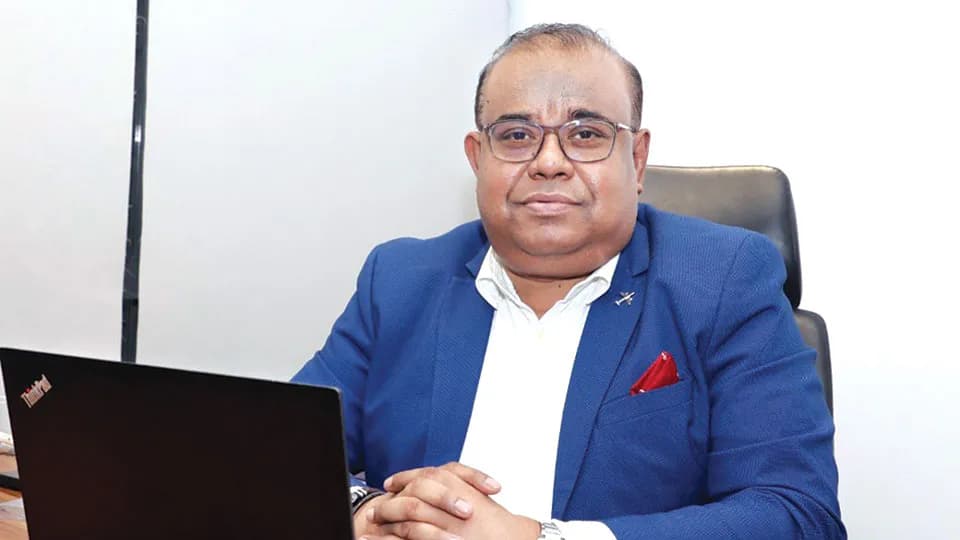
Dipankar De, General Manager of Holiday Inn Dhaka City Centre.
De
said the past year has required hotels to become more agile as softer corporate
movement, changing international travel patterns and weaker foreign arrivals
affected demand. Rather than relying primarily on room occupancy, Holiday Inn
Dhaka has focused on corporate accounts, meetings and events, food and
beverage, local customers, partnerships and experience-led promotions.
"The
important question is not simply how many rooms did we sell," De
expressed. "It is how much value did we create from every guest
relationship and every square foot of the hotel?"
Guest
mix expands beyond traditional business travel
Corporate
and international travelers remain important to the hotel, but De mentioned its
customer base has broadened to include project teams, local companies,
families, social groups, event attendees and Dhaka residents using its
restaurants, wellness facilities and other services.
He
added modern city hotels can no longer view room guests as their only
customers. A person might visit for a business meeting, return for dinner,
attend an event and later book a family stay.
That
broader relationship is becoming central to the hotel's strategy as it seeks to
build loyalty beyond overnight stays.
Global
standards, local relevance
With more international hotel brands entering Dhaka, Holiday Inn is seeking to distinguish itself through a combination of global operating standards and local understanding.
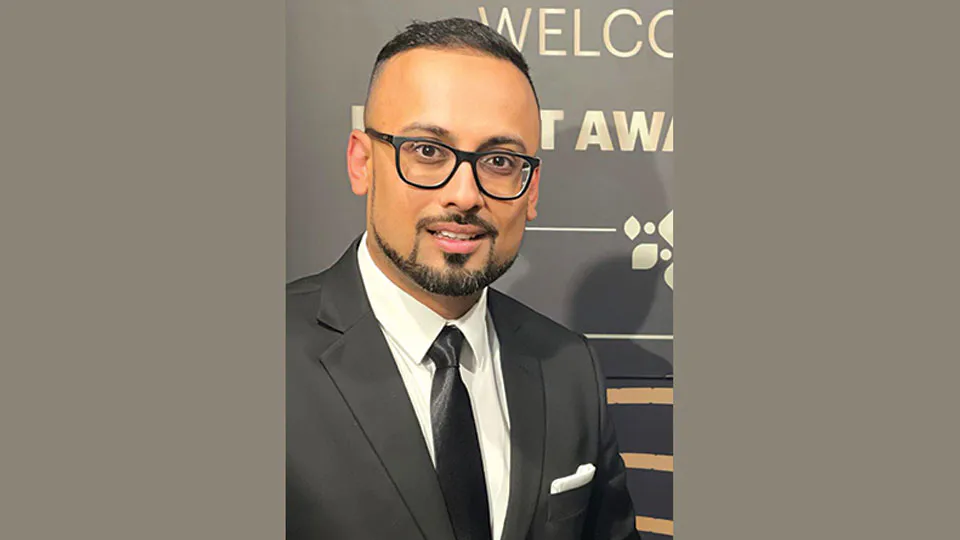 Dipankar De
De
pointed to the strength of the Holiday Inn and IHG systems, including the IHG
One Rewards program, as well as the property's central location and access to
commercial areas. Improved airport connectivity has also strengthened its
location proposition.
The
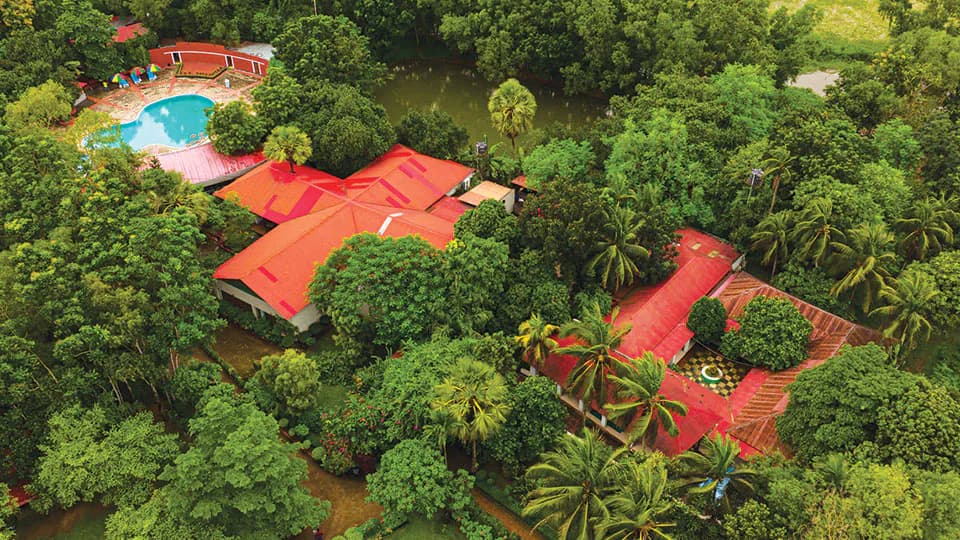
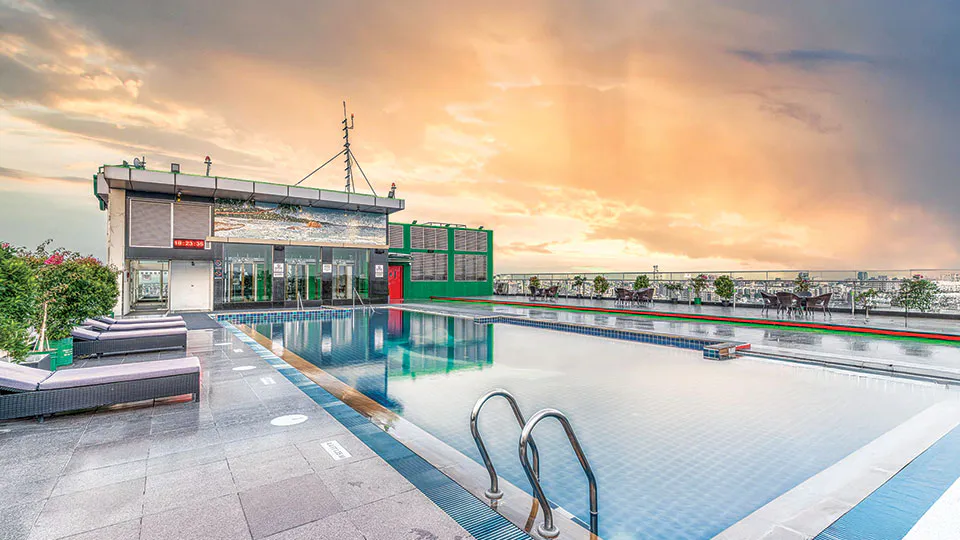
hotel has 187 rooms, restaurants, meeting facilities, wellness amenities and a
rooftop pool.
However,
De claimed facilities alone cannot create a lasting competitive advantage.
"People
do," he said, emphasizing service, flexibility and cultural understanding
alongside international standards.
Corporate
clients focus on total value
Corporate travelers are becoming more cost-conscious, but De noted companies are not necessarily choosing the cheapest option. Instead, they are examining the overall value of a hotel stay, including location, connectivity, breakfast, meeting facilities, security, flexibility and service.
For
business travelers, he also added, time is a major consideration. Faster
airport access, efficient meetings, reliable service and the ability to work
and relax within the property can provide meaningful value.
De
expects corporate demand to remain a foundation of Dhaka's hotel market,
although hotels will need stronger account management, technology, flexibility
and revenue management to retain that business.
Events,
experiences gain importance
Meetings,
conferences, weddings and other events are becoming important growth areas for
Holiday Inn Dhaka City Centre.
De
further mentioned customers increasingly want more than a venue and a menu.
Corporate clients are looking for technology, connectivity, flexible setups and
smooth execution, while social-event customers are seeking personalized menus,
attractive designs and memorable experiences.
Faster
responses are also becoming essential as clients expect proposals and
commercial offers within shorter timeframes.
Rising
costs put pressure on margins
Higher
food, utility, labor, maintenance and imported-product costs remain major
operational challenges. De claimed the hotel is focusing on procurement, menu
engineering, energy management, productivity, waste reduction, forecasting and
revenue optimization rather than simply passing higher costs on to guests.
"Efficiency
should remo-ve waste, not remove hospitality," he said.
Technology,
people shape guest experience
According
to De, guests increasingly expect speed, simplicity, personalization and strong
connectivity. Food and beverage is also evolving, with greater demand for local
cuisine, international flavors, themed dining and seasonal concepts.
Wellness
has become another part of the hotel experience, supported at the property by
its fitness center, spa and rooftop swimming pool.
Still,
De expressed technology cannot replace human interaction. In his view,
technology can make service faster, but people make it memorable.
Competition
brings
New
hotel supply will increase competition, but according to De, additional rooms
can be absorbed if Bangladesh simultaneously expands air connectivity,
infrastructure, MICE activity and its international tourism and business
positioning.
He
remains optimistic about Dhaka's prospects over the next three to five years,
citing the country's economy, export sector, infrastructure development and
potential in business travel, MICE, aviation and tourism.
For
the hotel, his ambition is to build a property where business, leisure and
community activities intersect, by combining international standards with local
intelligence, technology with human hospitality, and commercial discipline with
creativity and sustainability.