

Pakistan approves 15-year sales tax exemption for PIA, other carriers

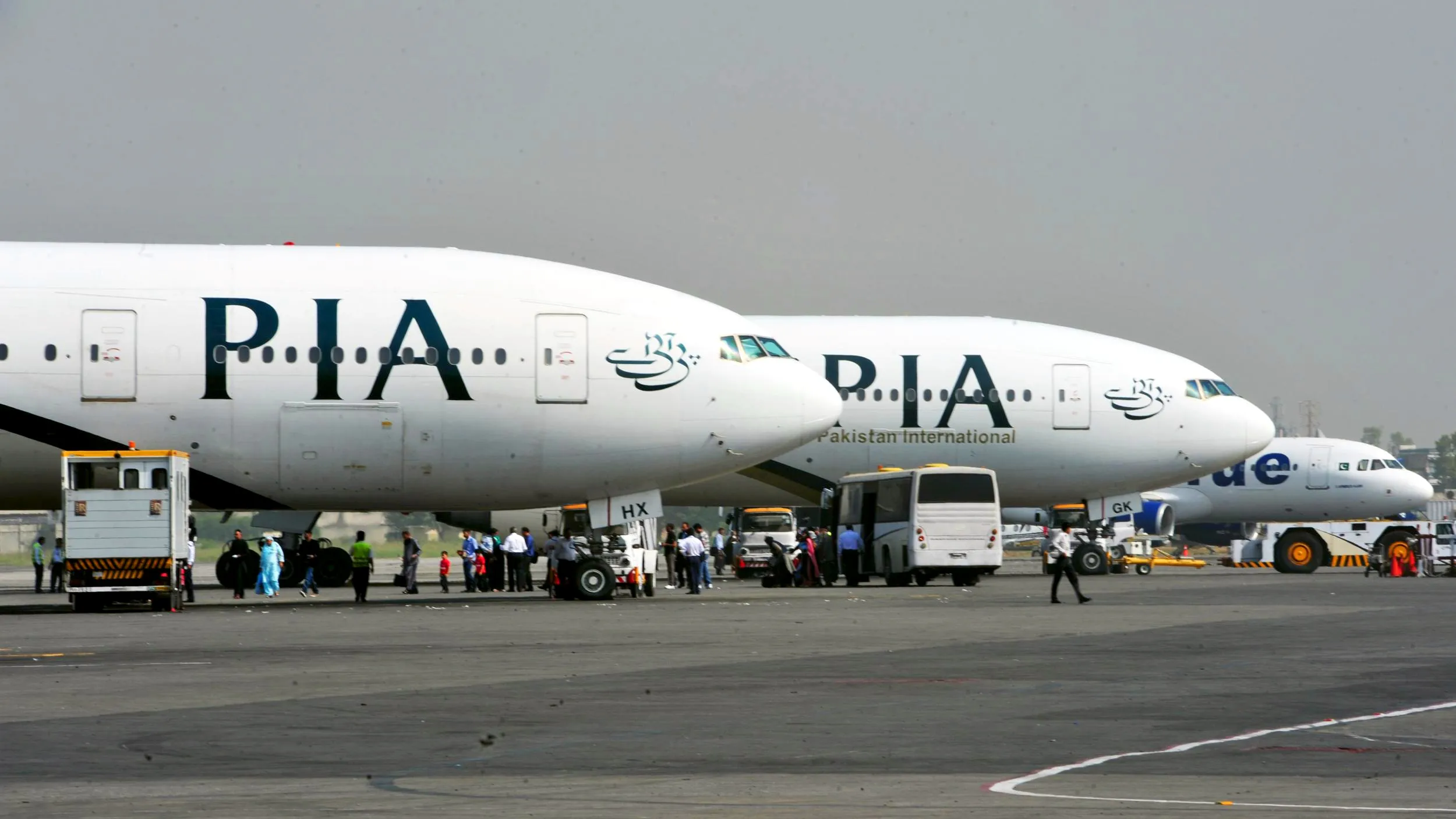
Dhaka: Pakistan's National Assembly Standing Committee on Privatization has approved a proposal granting airlines a 15-year exemption from sales tax on imported goods.
The exemption will apply to all carriers operating in the country, including flag carrier Pakistan International Airlines (PIA). It is expected to take effect from the upcoming federal budget, according to local media reports.
The decision was made during a committee meeting at Parliament House in Islamabad, chaired by MNA Muhammad Farooq Sattar, alongside other agenda items concerning state-run entities.
For Pakistani carriers, the exemption is expected to ease the cost of importing aircraft parts, ground equipment, and other essential supplies, potentially lowering operating expenses across the industry.
Analysts believe the move could support fleet modernization efforts for PIA and other domestic operators, many of which have struggled with aging aircraft and tight margins amid economic pressures in recent years.
A lighter tax burden on imports may also help airlines redirect funds toward network expansion and service upgrades, as Pakistani carriers look to rebuild international connectivity following the lifting of EU and UK airspace restrictions on PIA in 2024 and 2025, respectively.
The exemption follows PIA's transition to full private ownership, with a consortium led by Arif Habib Corporation now controlling the airline. A tax-friendly import regime is expected to support the carrier's fleet renewal and route expansion plans under its new management.
The committee's broader session also addressed the privatization of Zarai Taraqiati Bank Limited and Distribution Companies (DISCOs).
Committee members stressed the need for transparency and due diligence in any future privatization process, while recommending that employee rights be protected under applicable laws should such transactions proceed.
No specific timeline has been announced for the tax exemption's formal implementation beyond its expected inclusion in the next federal budget cycle.