

AAPA urges governments to back airlines amid fuel cost surge

Dhaka: The Association of Asia Pacific Airlines (AAPA) said sharply higher fuel prices and mounting operational challenges are pushing up operating costs and complicating planning for airlines, while also straining the industry that supports economic activity, trade, tourism, and regional connectivity.
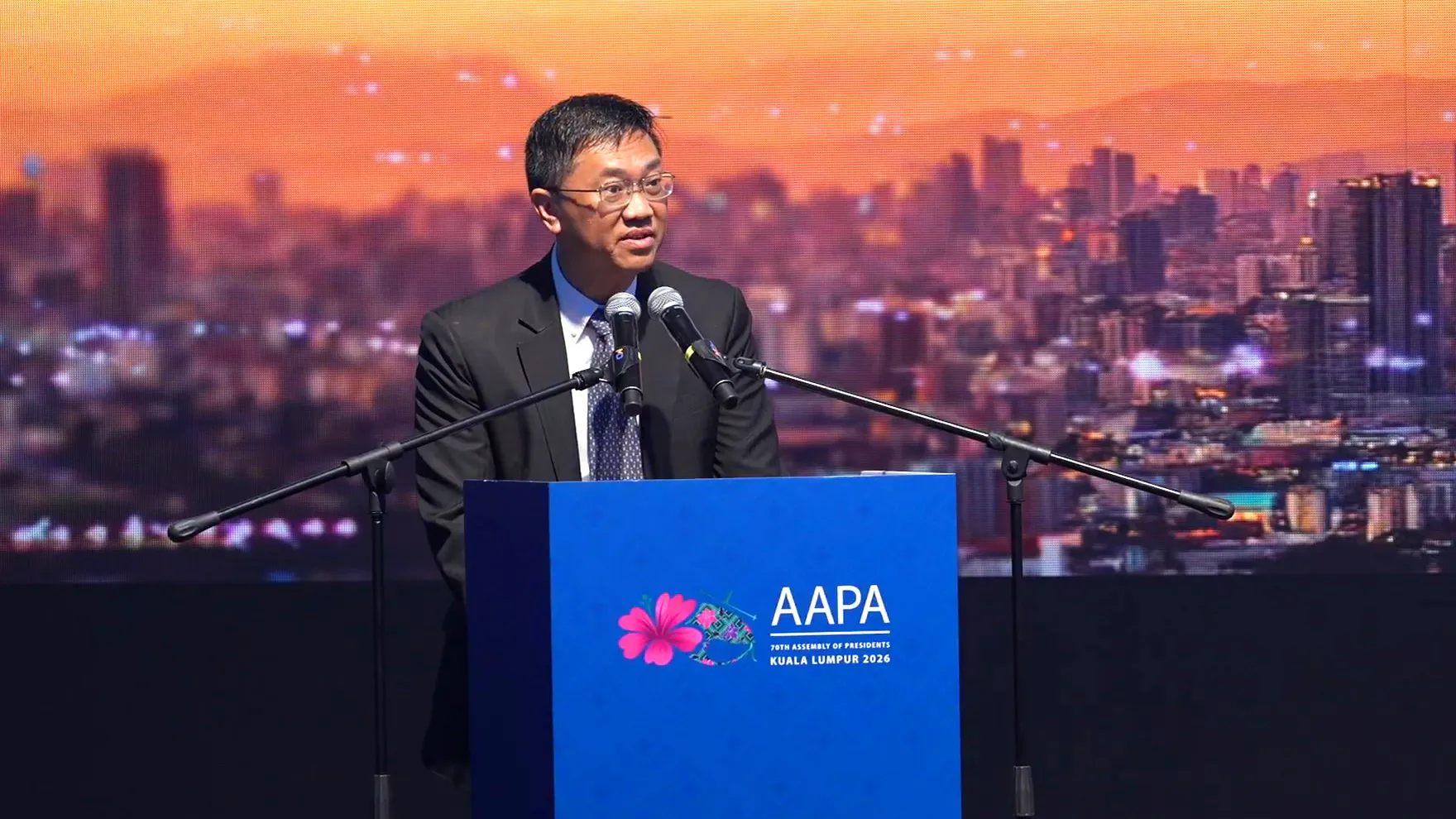
In response, the association has urged governments to provide timely and practical support to carriers across the region. The call was made at the close of the trade body’s 70th Assembly of Presidents on November 13, hosted by Malaysia Airlines in Kuala Lumpur.
AAPA Director General Wong Hong said, "The operating environment for Asia Pacific airlines has changed markedly since the last Assembly of Presidents 12 months ago."
He noted that carriers have remained resilient and adaptable, but the steep rise in fuel prices and other cost pressures has made conditions far more demanding.
Wong called on governments to recognize the strain and work constructively with the industry to safeguard the long-term viability of air transport in the region.
The association also pushed for a more coordinated and collaborative approach among governments, regulators, and industry stakeholders to address shared issues and strengthen the resilience and competitiveness of Asia Pacific aviation.
The assembly adopted four resolutions covering aviation sustainability, passenger rights, cabin safety, and aviation security.
Aviation sustainability
AAPA reaffirmed its target of 5% sustainable aviation fuel (SAF) utilization by 2030. The goal supports the International Civil Aviation Organization’s (ICAO) long-term aspirational target of net-zero carbon emissions by 2050.
The association asked governments to take the lead by adopting eight policy principles as the basis for national and regional SAF policies.
The principles call for an ecosystem approach across the SAF value chain and long-term policy clarity suited to each country’s readiness. They also encourage competition, discourage market concentration, and seek a level playing field for all airlines.
In addition, they favor a technology-neutral, performance-based approach that rewards greater reductions in greenhouse gas emissions. They call for clear certification requirements, ideally fuel certified under the Carbon Offsetting and Reduction Scheme for International Aviation (CORSIA).
The principles also urge harmonization of global and domestic policies and flexibility for airlines in procuring SAF, including formal acceptance of book-and-claim within a region.
Passenger rights
With passenger rights regulations spreading across the Asia Pacific and beyond, AAPA urged governments to follow a set of core principles when drafting or reviewing such rules.
The principles aim to balance passenger protection with industry competitiveness, without compromising safety and security. They cover clear information before travel, regular updates and proper care during disruptions, and efficient handling of complaints afterward.
AAPA also stressed that liability should reflect the shared responsibilities of aviation stakeholders, so airlines do not carry a disproportionate burden.
Cabin safety
The association called for stronger collaboration among governments, regulators, and airlines on cabin safety. Issues include lithium battery risks, unruly passengers, medical emergencies, evacuations, and crew training.
It also encouraged greater regional cooperation among regulators, including information sharing and support for capacity building.
Aviation security
AAPA resolved to promote closer regional collaboration to integrate human factors into aviation security. The focus areas are training, workload management, security culture, and organizational learning.
It also encouraged sharing regional best practices through ICAO’s Asia and Pacific aviation security forum.
Wong said the resolutions show how Asia Pacific airlines intend to build an aviation industry that is sustainable, safe, secure, and resilient. He added that AAPA and its members stand ready to work with governments, regulators, and industry partners to deliver it.