

Security alerts in Saudi Arabia, Bahrain add to Gulf flight disruptions

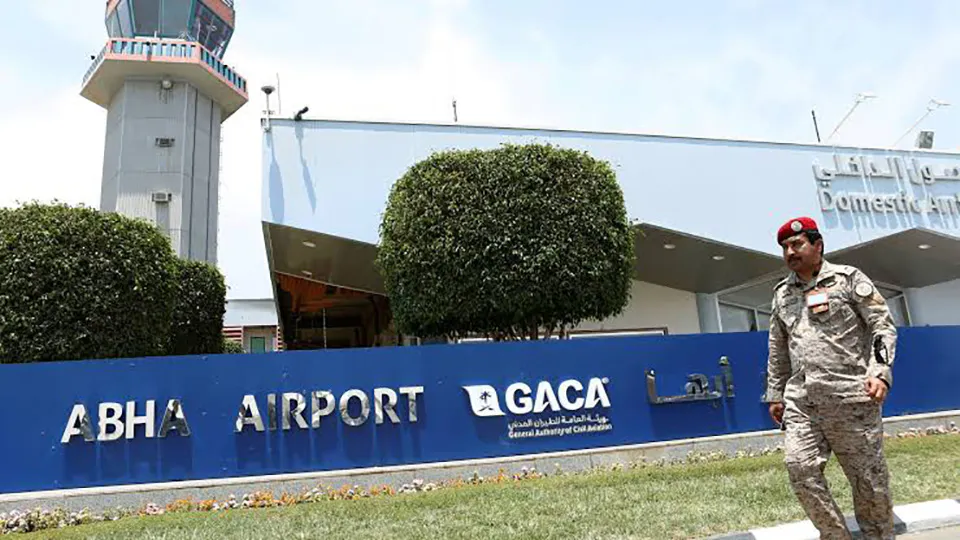
Saudi air defense systems
intercepted two ballistic missiles targeting Riyadh on November 15, according
to coalition spokesperson Major General Turki Al-Maliki. Authorities also
reported intercepting seven drones that day: two over the Makkah region, two
over Madinah and three over the Eastern Province.
The developments have
heightened security concerns around major Saudi cities and transport corridors.
However, the reported interceptions do not establish that all affected areas or
airports have experienced operational disruption.
Bahrain's Ministry of
Interior issued public warnings on November 15, advising residents to remain
calm, move to safe locations and follow official updates. The warnings followed
claims by Iran's Islamic Revolutionary Guard Corps that it had targeted a US
air-defense radar installation at Al-Rifaa with six drones. The claim was not
independently confirmed in the initial reports.
The US Embassy in Manama
issued a security advisory on November 16, warning American citizens of
possible further attacks, flight cancellations and airspace closures. It
advised them to remain vigilant and monitor official announcements.
Airline schedules remain
affected by the wider regional security situation. Air France, ITA Airways,
British Airways and Cathay Pacific have extended suspensions or postponements
of services to Riyadh, with reported return dates ranging from December 2026 to
January 2027. Delta Air Lines has delayed its planned Atlanta-Riyadh service
until March 2027, while Singapore Airlines has postponed its planned route
launch until March 28.
Indian carriers have also
maintained restrictions. Air India and Air India Express have suspended Riyadh
and Dammam services through November 30, while Jeddah flights remain suspended
through November 21. IndiGo has announced similar restrictions, and Akasa Air
has extended measures affecting Riyadh and Jeddah.
Some connections are
returning. Qatar Airways resumed daily Doha-Riyadh flights on November 13 and
Doha-Dammam services on November 14, offering additional options for passengers
traveling through Qatar.
Meanwhile, the European
Union Aviation Safety Agency has extended relevant conflict-zone advisories
through January 31, 2027. The guidance covers Saudi Arabia, Bahrain, Kuwait,
Qatar, the United Arab Emirates and Oman, among other countries. It informs
airline risk assessments but does not automatically prohibit all flights
through the region.
Passengers with upcoming
journeys should confirm flight status, schedule changes and rebooking options
directly with their airlines. They should also monitor government travel
advisories, particularly when connecting through Gulf hubs.
The combination of
security warnings and extended airline restrictions suggests that regional
aviation operations will remain subject to close monitoring as carriers assess
risks and adjust schedules.