

Singapore Airlines confirms Muslim meals not halal-certified

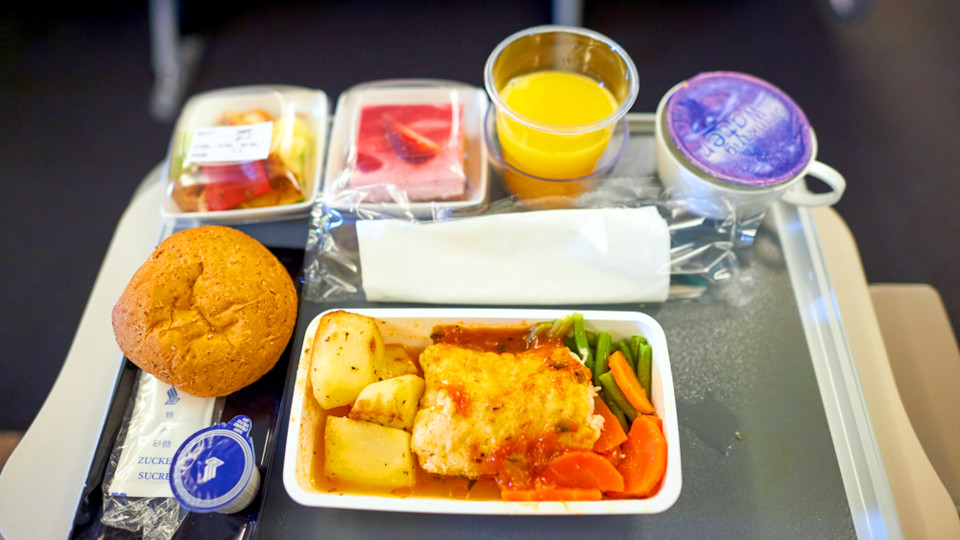
Dhaka: Singapore Airlines (SIA) has clarified that its Muslim in-flight meals are not halal-certified, even though the ingredients are sourced from halal-certified suppliers, citing in-flight preparation methods as the reason.
The clarification came after a social media user raised the issue on April 20, questioning whether Muslim meals were reheated in the same ovens as meals containing pork.
An SIA spokesperson confirmed that Muslim meal options are "prepared without pork, lard, or alcohol," with ingredients sourced from halal-certified suppliers. However, the airline noted that serviceware is not segregated by meal type, and the meals are reheated alongside other in-flight meals in the same ovens.
Several individuals identifying as former or current SIA cabin crew joined the conversation and confirmed that halal and non-halal meals are heated together. They noted, however, that Muslim and Kosher meals typically follow different procedures and are usually placed on the top rung of the oven.
SIA guidelines advise passengers requiring Muslim meals to request them at least 24 hours before departure under the special meals option.
The Islamic Religious Council of Singapore (MUIS), through its official halal food account HalalSG, subsequently weighed in on the discussion. The council noted that "not halal-certified" does not automatically mean the food itself is not halal.
HalalSG clarified that Muslim meals on SIA flights departing Singapore are prepared in dedicated halal-certified establishments before being loaded onto the aircraft. It emphasized that what occurs on board involves handling and reheating, not cooking from scratch.
The council also noted that flights generally have procedures in place to prevent cross-mixing of meal types, such as through sealed packaging or proper handling practices.
HalalSG advised passengers to verify the ingredients and consult the airline beforehand when uncertain about the halal status of in-flight meals. It also suggested that passengers bring their own food as an alternative if they remain unsatisfied with the available information.
V