

Ethiopian Airlines spent USD 6m on carbon credits over aviation compliance

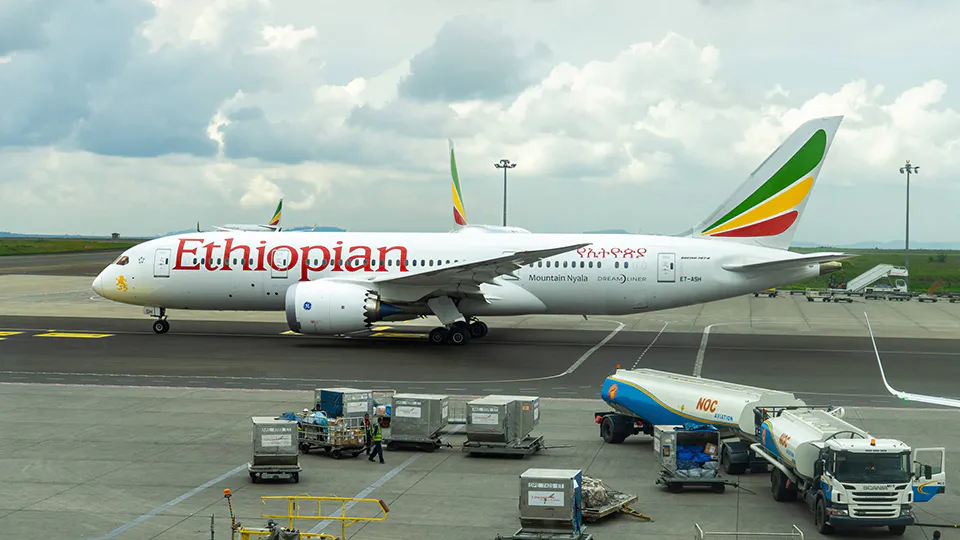
Speaking at the fourth
East African Community In-House Counsel Convention in Addis Ababa, Mesfin said
the airline continues to purchase carbon credits to offset emissions from its
operations, warning that the financial burden is likely to increase in the
coming years.
The expenditure is linked
to the Carbon Offsetting and Reduction Scheme for International Aviation
(CORSIA), administered by the International Civil Aviation Organization (ICAO).
The program requires airlines to offset certain emissions growth from
international flights.
Mesfin also criticized
the introduction of additional carbon-related charges by some African
countries, arguing that overlapping regulations could further complicate
compliance for international carriers.
Sustainable aviation fuel
(SAF) remains a potential long-term solution, but limited availability and high
prices continue to hinder adoption. The International Air Transport Association
expects global SAF production to reach 2.4 million metric tons in 2026,
representing approximately 0.8 percent of total jet fuel consumption.
Beyond environmental
obligations, the airline faces rising taxes and consumer protection
requirements across multiple jurisdictions.
The African Airlines
Association reported that international passengers departing from African
countries paid an average of USD 68 in taxes, fees, and charges in 2024.
Industry data also indicates that aviation business costs in Africa are about
15 percent above the global average.