

Fading charm of tourism motels raises concern over country's hospitality future

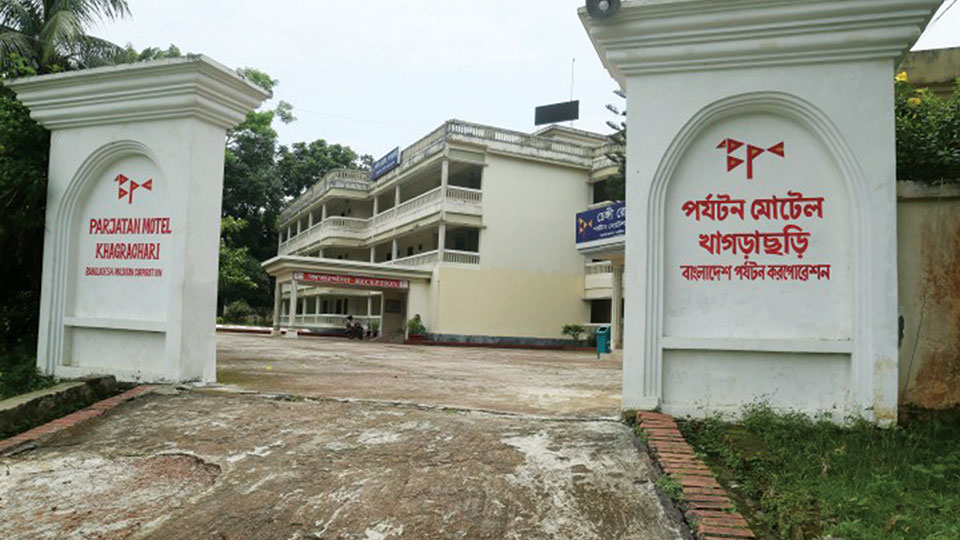
Dhaka : The gradual decline of state-run tourism motels is drawing renewed attention, said Jabed Ahmed, former CEO of the Bangladesh Tourism Board, while talking to The Bangladesh Monitor, as he reflected on the lost identity, missed opportunities, and urgent need for reform in Bangladesh's public-sector hospitality landscape.
Drawing from both personal experience and institutional memory, Ahmed recalled a time when motels operated by the Bangladesh Parjatan Corporation represented a distinct standard of order and aesthetic coherence. In the early 1990s, shortly after joining the organization, he visited several units - including Rangamati, Rajshahi, and Bogura - and observed a remarkable uniformity in design. Curtains, beds, sofas, and chairs followed a consistent style across locations, reflecting not only visual harmony but also an underlying sense of discipline and institutional philosophy.
That identity, he suggested, has gradually faded over the decades.
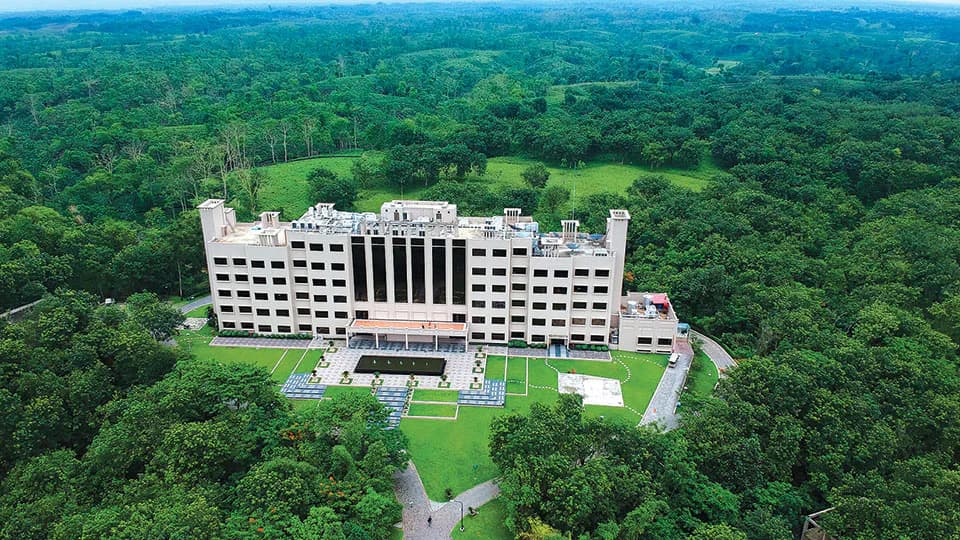
A recent visit to the three hill districts - Bandarban, Rangamati, and Khagrachhari - offered a stark contrast. Choosing to stay in tourism motels during the trip, Ahmed encountered facilities that, while still spacious and well-located, showed clear signs of neglect. Rooms remain large, with wide corridors and verandas, but the interiors lack cohesion. Furniture is often outdated or mismatched, and in many cases, visibly worn.
Bathrooms, he noted, present an even more troubling picture. Basic fittings appear to have undergone repeated repairs rather than proper replacement, and the quality of toiletries is often substandard. In some instances, even essential items such as liquid handwash are not provided.

Jabed Ahmed
For Ahmed, these shortcomings point to a deeper issue - one that goes beyond maintenance and into the realm of philosophy. Tourism, he emphasizes, is an experience-driven industry. It requires a careful balance of architecture, interior design, color coordination, and service quality. Without this balance, the overall experience becomes fragmented, regardless of how advantageous the location or infrastructure may be.
"Tourism is not just about providing a room," he observed. "It is about creating a feeling - something intentional and complete."
While public-sector motels struggle to maintain relevance, privately operated establishments have expanded rapidly. Destinations such as Cox's Bazar and Kuakata have seen significant investment in modern hotels and resorts. These properties emphasize aesthetics, comfort, and professional service, attracting a growing number of domestic tourists as well as international visitors.
In addition, eco-resorts and green tourism initiatives have emerged across various regions, offering year-round attractions and creating employment opportunities for educated young professionals. According to Ahmed, these developments highlight what is possible when tourism is approached as a serious economic sector.
In contrast, the decline of tourism motels reflects years of policy neglect. Since independence, he argued, tourism has not been treated as a priority area of economic development. Policymakers have largely overlooked its potential to generate employment, stimulate local economies, and contribute to national growth. As a result, despite possessing diverse natural and cultural attractions, Bangladesh has yet to fully capitalize on its tourism potential.
Discussions around reform - particularly proposals to involve the private sector through public-private partnerships - have surfaced periodically. However, these initiatives have rarely progressed beyond preliminary stages, leaving most motels in a state of stagnation.
Despite the challenges, Ahmed remained cautiously optimistic. He believes that with timely intervention, the situation can still be reversed. Renovation of existing facilities, introduction of modern design standards, and recruitment of trained hospitality professionals could restore the appeal of these properties.