


Overtourism forces Japan to cancel Mount Fuji cherry blossom festival amid resident backlash

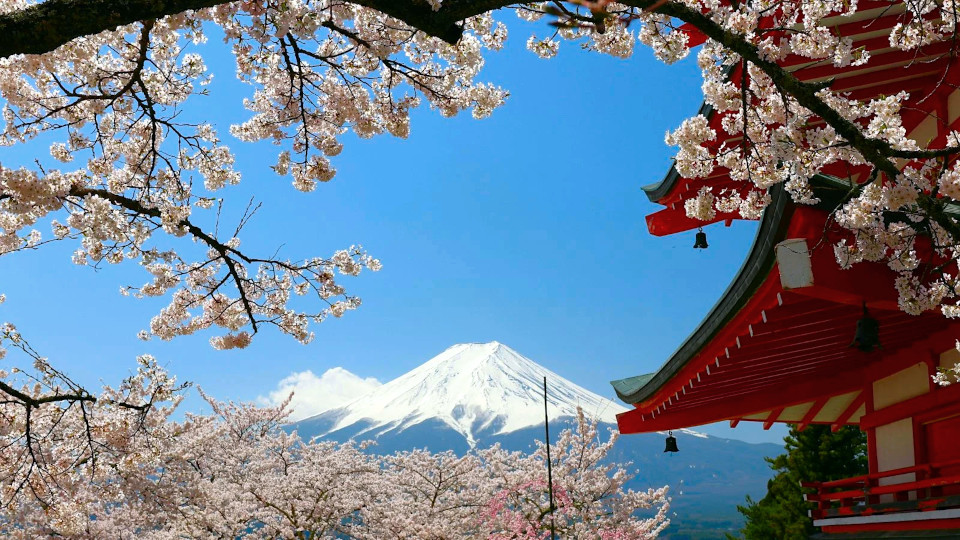
Dhaka: Japanese authorities have cancelled the popular cherry blossom festival near Mount Fuji, citing mounting pressure from overtourism and repeated complaints from local residents about disruptive visitor behavior.
The annual event at Arakurayama Sengen Park in Fujiyoshida City has been cancelled for the first time since its launch about a decade ago. The festival usually coincides with Japan’s sakura season and attracts nearly 200,000 visitors each year.
The park is renowned for its elevated viewpoint offering panoramic views of Mount Fuji framed by cherry blossoms and the iconic five-tiered Chureito Pagoda, making it one of the country’s most photographed spring destinations.
Fujiyoshida Mayor Shigeru Horiuchi announced the decision, stressing that the cancellation was driven by concerns for residents rather than opposition to tourism. He said the city faces “a strong sense of crisis” as daily life has been increasingly disrupted.
According to city officials, tourist arrivals during peak bloom have surged to as many as 10,000 visitors per day in recent years, overwhelming local infrastructure and exceeding the city’s capacity to manage crowds.
Authorities cited repeated incidents of unruly behavior, including trespassing on private property, unauthorized use of residents’ toilets, littering, and cases of tourists defecating in private gardens. Confrontations reportedly occurred when residents challenged such actions.
Parents have also raised safety concerns, saying children were pushed off pavements as crowds overflowed into narrow residential streets, particularly along school routes. Severe traffic congestion during the season further complicated daily commuting for locals.
Officials attributed the surge to multiple factors, including Japan’s weak yen, which has made travel more affordable, and the influence of social media. Viral images have turned specific viewpoints into global “must-see” spots.
At Arakurayama Sengen Park, visitors often wait up to three hours to reach the observation deck during peak periods, hoping to capture the perfect photograph of Mount Fuji with cherry blossoms in the foreground.
Despite the festival’s cancellation, the park will remain open. Authorities expect heavy footfall throughout April and plan to deploy additional security patrols, install portable toilets, and set up temporary parking facilities.
Visitors have been urged to use public transportation, avoid residential areas, and respect private property while touring the area during the cherry blossom season.
The move reflects a broader national trend. Japan has increasingly introduced regulations to manage overcrowding at major attractions, particularly around Mount Fuji and other UNESCO-listed or high-profile sites.
Last year, nearby Fujikawaguchiko erected a black mesh barrier to block a popular Mount Fuji photo spot after complaints about littering, illegal parking, and unsafe road crossings. The barrier was later removed but may be reinstated if problems recur.
During the most recent climbing season, local authorities also introduced entry fees and daily caps on popular Mount Fuji hiking routes to curb pollution and improve safety.
While Japan continues to promote tourism and expects strong international arrivals in 2026, the cancellation underscores growing tensions between economic benefits and residents’ quality of life.
Mayor Horiuchi said Mount Fuji is not merely a tourist attraction for locals but an integral part of their daily lives, signaling that community well-being now takes priority over staging large-scale events.
V