

Great Wall of China: A journey through time and terrain


Dhaka: The Great Wall of China continues to stand as one of the world's most compelling tourism landmarks, drawing millions of visitors each year while offering a convergence of history, landscape, and engineering. For travelers from Bangladesh and beyond, a visit is not merely sightseeing-it is an encounter with centuries of strategic ambition and cultural endurance.
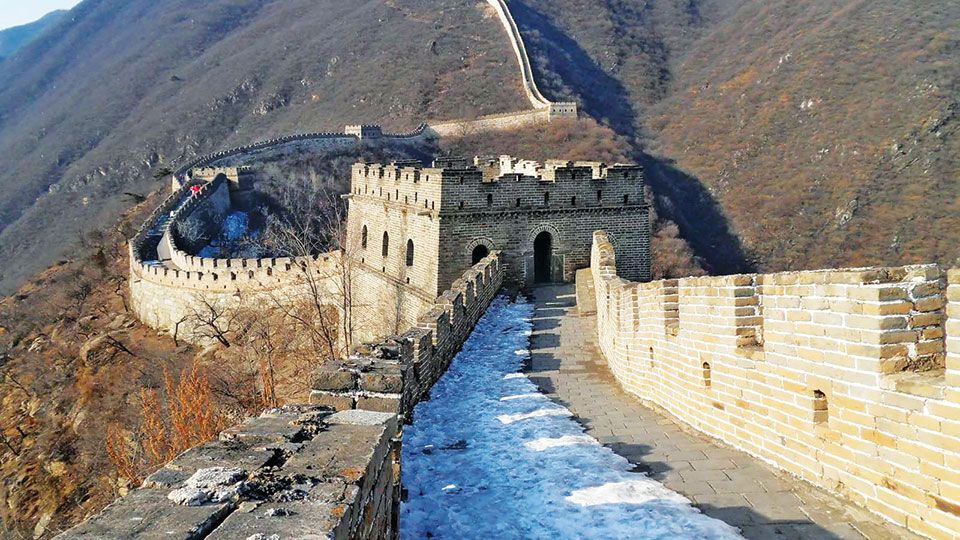
Stretching across northern China, the Wall is often misunderstood as a single, continuous structure. In reality, it is a network of fortifications constructed, rebuilt, and expanded over several dynasties. Sections visible today largely date back to the Ming Dynasty (1368-1644), when earlier rammed-earth constructions were reinforced with brick and stone. This layered development gives the Wall its architectural diversity, with each segment reflecting the materials and defensive priorities of its time.
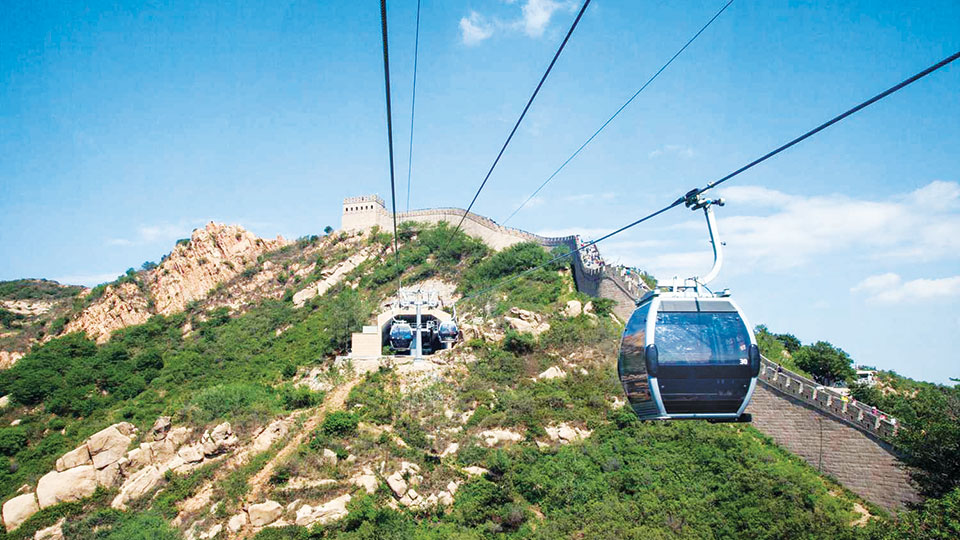
From a tourism perspective, the Great Wall offers multiple access points catering to varied travelers. The most visited sections near Beijing-such as Badaling and Mutianyu-are well-preserved and equipped with modern facilities, including cable cars and guided tours. These areas are especially accessible for international tourists and first-time visitors.
In contrast, less-restored sections like Jinshanling and Simatai attract those seeking a more rugged and authentic experience. Here, the Wall blends into mountainous terrain, offering expansive views that emphasize its original defensive purpose. This contrast allows China to serve a wide tourism demographic while preserving historical integrity.
The Wall's enduring appeal lies not only in its scale but also in how it interacts with the landscape. Rather than imposing a straight path, it follows natural ridgelines and valleys, effectively turning geography into a defensive asset. This integration contributed to its designation as a UNESCO World Heritage Site in 1987.
For Bangladesh's outbound tourism market, China is emerging as a destination of interest, supported by improving air connectivity. Flights between Dhaka and major Chinese cities, including Beijing and Guangzhou, have enhanced accessibility. As infrastructure expands, landmarks like the Great Wall play a key role in positioning China as a culturally rich destination for South Asian travelers.
Industry stakeholders noted that experiential travel is gaining traction among Bangladeshi tourists. Beyond checklist visits, travelers are seeking depth and narrative. The Great Wall aligns with this trend, offering both visual impact and a layered historical story. Guided tours and curated packages further enhance the experience.
Sustainability remains a concern. With millions of annual visitors, sections face wear and environmental stress. Authorities have introduced conservation measures, including controlled access and restoration projects, to balance tourism with preservation.
Beyond its physical presence, the Great Wall symbolizes resilience and continuity. It reflects how monumental achievements are built over time through sustained effort rather than singular moments.
As global travel evolves, destinations combining accessibility and historical depth are expected to lead growth. The Great Wall of China remains a defining example-where history unfolds across mountains, step by step.