

Six injured as Eurowings A320 hits Emirates A380 wake turbulence

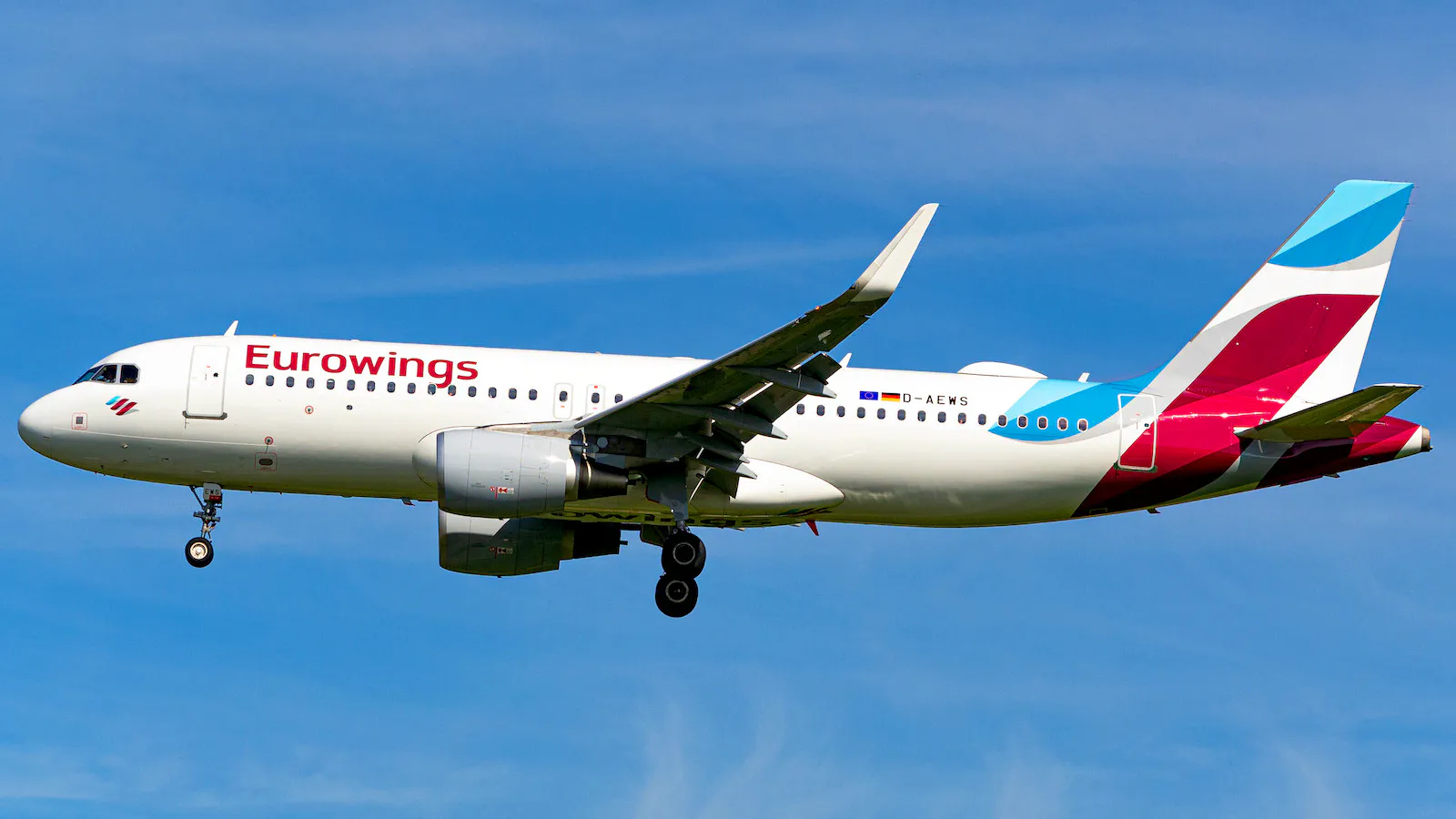
Dhaka: Six people were injured after a Eurowings Airbus A320 encountered wake turbulence generated by an Emirates Airbus A380 while cruising over Bosnia and Herzegovina on May 30.
According to reports, the incident occurred when Eurowings Flight EW635 from Rhodes, Greece, to Cologne, Germany, was climbing from 36,000 feet to 38,000 feet following clearance from air traffic control.
At the time, Emirates Flight EK1 from Dubai to London was operating at 38,000 feet, approximately 9 miles ahead of the Eurowings aircraft.
As the Airbus A320 passed through about 37,600 feet, it encountered wake turbulence believed to have originated from the Emirates A380. The flight crew immediately halted the climb and descended back to 36,000 feet.
The aircraft continued safely to Cologne, where medical personnel met the flight upon arrival.
Reports said five passengers and one cabin crew member sustained minor injuries. The injured flight attendant was reportedly thrown into the cabin ceiling during the turbulence encounter.
Following landing, the aircraft remained on the ground for around four and a half hours before returning to service. Its subsequent scheduled flight departed approximately three and a half hours behind schedule.
Wake turbulence is created by wingtip vortices generated as an aircraft produces lift. The phenomenon forms two rotating columns of air that trail behind an aircraft and can persist for several minutes depending on atmospheric conditions.
The strongest wake turbulence is generally produced by the heaviest aircraft. The Airbus A380, the world's largest passenger airliner, is classified under the special “Super” wake turbulence category due to the strength of the vortices it generates.
Industry guidance cited in reports indicates a minimum separation of 8 miles is typically required between an A380 and a smaller aircraft such as an A320 when operating at the same altitude or within 1,000 feet below.
Although wake vortices normally descend and dissipate over time, wind and atmospheric conditions can cause them to drift vertically or horizontally, creating hazards for following aircraft.
The incident did not result in reported structural damage to the Eurowings jet. However, it highlighted the risks wake turbulence can pose even during cruise flight, where aircraft are generally separated by significant distances.
Wake turbulence encounters are more commonly associated with takeoff and landing operations when aircraft operate closer together. Nevertheless, studies and previous incidents have shown that en-route encounters continue to occur periodically.
Among the most notable cases was a January 2017 event involving a Bombardier Challenger business jet that lost control after encountering wake turbulence from an Emirates A380 over the Arabian Sea. The aircraft descended thousands of feet before recovering and diverting safely.
The latest Eurowings incident is considered unusual because it resulted in injuries despite the aircraft operating under what appeared to be standard en-route separation conditions.