

Air Astra eyes int'l expansion with new aircraft, Wi-Fi, regional growth plans

Dhaka
: Bangladesh's youngest private airline is preparing for its biggest leap yet.
After
just over three years of domestic operations, Air Astra is set to expand
internationally by the end of 2026 while simultaneously strengthening its
domestic network with new aircraft deliveries, additional frequencies, and
plans for premium regional services.
In
an exclusive interview with The Bangladesh Monitor, Air Astra Chief Executive
Officer Imran Asif said, the carrier is entering a decisive growth phase that
could reshape its position in Bangladesh's aviation market.
"This
year will be a milestone year for us," said Asif. "We are adding
three brand new ATR 72-600 aircraft by July, and by the end of the year we are
targeting the launch of international flights."
Fleet
expansion to accelerate domestic growth
Air
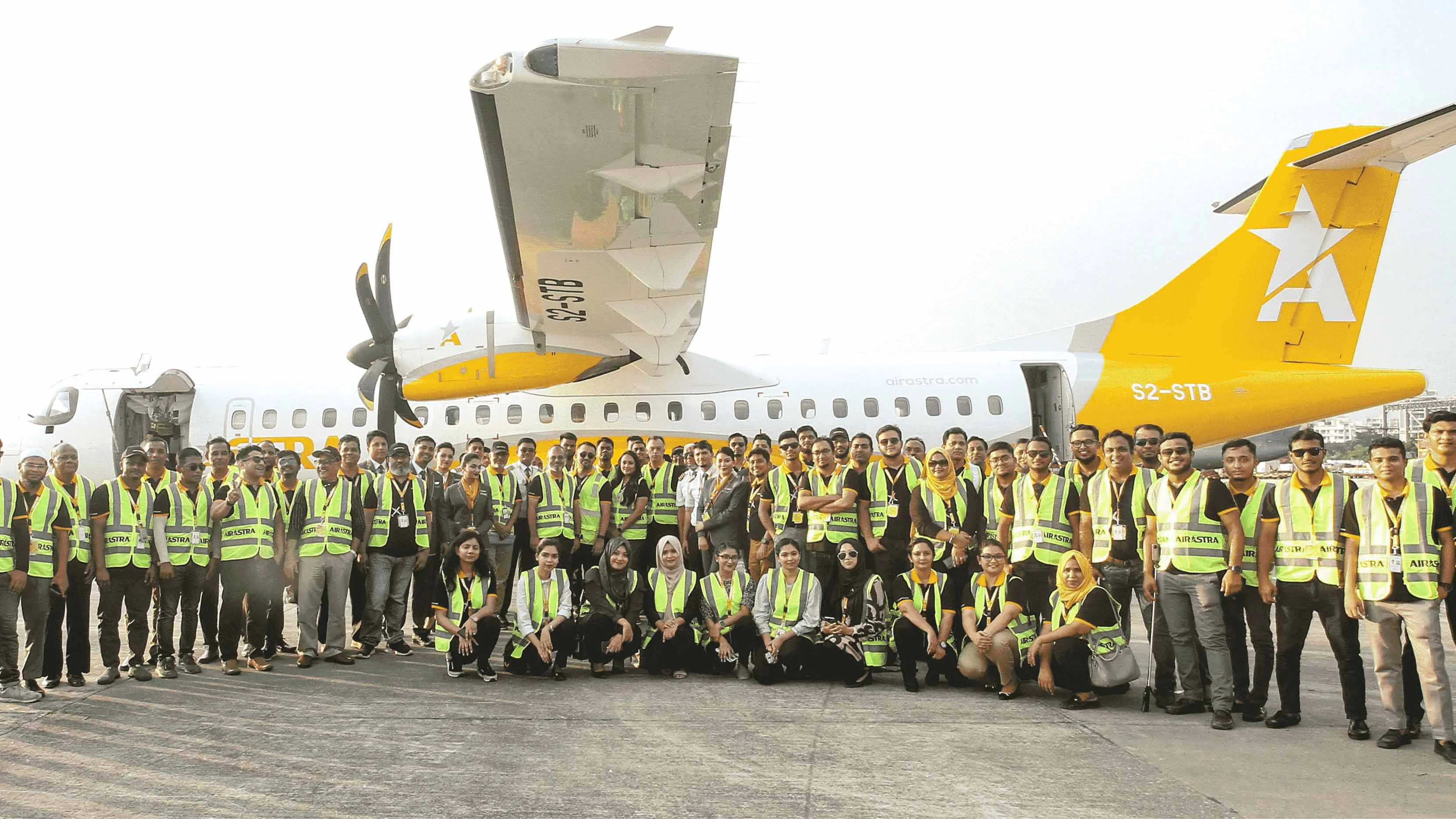
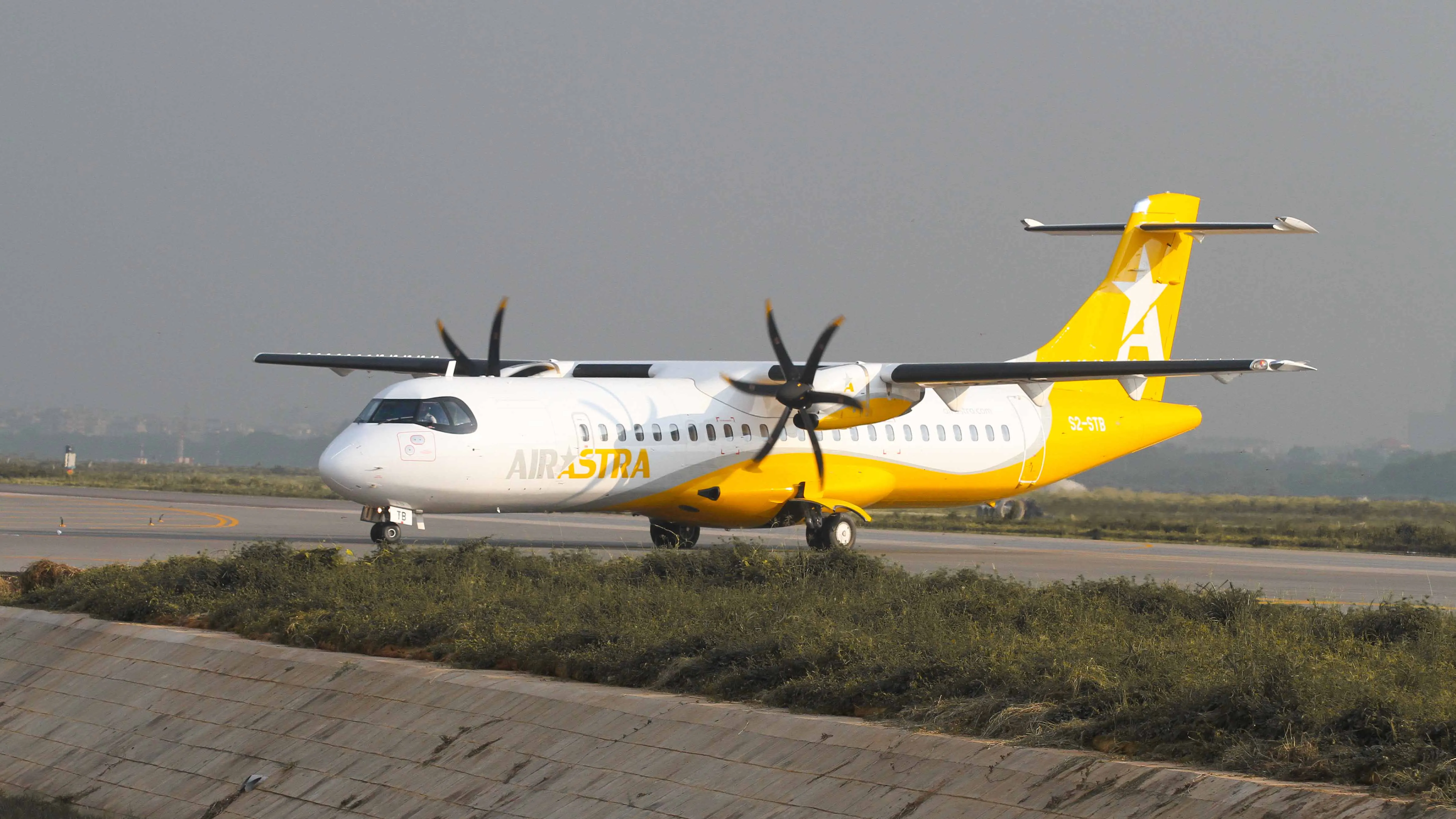
Astra currently operates a fleet of four ATR 72-600 turboprop aircraft on
domestic routes connecting Dhaka with Chattogram, Cox's Bazar, Saidpur, and
Sylhet.
The
arrival of three additional ATR aircraft - configured with 72 seats each - will
nearly double the airline's operating capacity and allow it to significantly
increase frequencies across the domestic network.
"From
the end of July, passengers will start seeing increased frequencies," Asif
noted.
The airline says, domestic demand has continued to rise steadily, particularly on leisure-heavy routes such as Cox's Bazar and Sylhet, alongside growing passenger traffic to northern Bangladesh.

According
to Asif, private airlines now dominate more than 80 percent of Bangladesh's
domestic aviation market, with carriers such as US-Bangla Airlines, NOVOAIR,
and Air Astra accounting for the majority share.
He
attributed much of the recent domestic growth to years of international visa
restrictions that encouraged Bangladeshi travelers to explore local
destinations instead.
"Cox's
Bazar has seen phenomenal growth. Sylhet has grown. Even North Bengal has seen
strong demand," he said.
International
flights on the horizon
While
domestic operations laid the foundation for Air Astra, the airline sees
international expansion as essential for long-term sustainability.
"As
a small country, Bangladesh has a limited domestic network. It is difficult for
an airline to sustain itself solely through domestic operations," Asif
explained.
The
carrier has already secured operational slots for Kolkata and Kathmandu and is
currently preparing station operations for launch.
"These
ATR aircraft are ideal for regional routes like Kolkata and Kathmandu," he
said.
Beyond
those destinations, however, Air Astra is preparing for a much larger
international strategy.
The
airline is now in the final stages of lease negotiations for new-generation
narrowbody jets, including the Boeing 737 MAX and Airbus A320neo families.
"We are targeting delivery either by the end of this year or early 2027," Asif revealed.
Unlike
many operators that acquire used aircraft, Air Astra is pursuing factory-new
jets.
"Brand
new aircraft are often delivered faster than used aircraft because leasing
demand for used planes is currently very high globally," he explained.
The
addition of narrowbody aircraft would allow the airline to target longer-haul
regional routes, particularly labor-heavy Middle Eastern destinations as well
as leisure and medical travel markets across Asia.
"In
international operations, nearly 70 percent of passengers are labor travelers.
So, we must cater to labour destinations," Asif said.
"At
the same time, we are also targeting destinations like Bangkok, Singapore, and
Kuala Lumpur, which have strong tourism and medical travel demand."
Full-service
experience, not low-cost model
Despite
growing competition in regional aviation, Air Astra says it does not intend to
position itself as a low-cost carrier.
Instead,
the airline plans to compete through service quality and passenger comfort.
"We
will provide meals onboard, generous baggage allowance, and a more comfortable
travel experience," said Asif.
Domestic
passengers currently receive snacks onboard, while international passengers
will receive hot meals depending on flight duration.
"For a five-hour flight, passengers may receive a hot meal along with snacks," he added.

One
of the airline's more ambitious plans involves introducing free high-speed
onboard internet connectivity on international flights.
According
to Asif, falling satellite connectivity costs driven by
providers such as Starlink and Amazon are making inflight Wi-Fi increasingly affordable even for smaller airlines.
"We
are planning to offer free onboard internet to passengers across all
classes," he said.
The
airline, however, is unlikely to invest immediately in traditional seatback
entertainment systems.
"For
airlines with small fleets, installing and maintaining inflight entertainment
systems becomes very expensive," Asif explained. "Internet
connectivity can now effectively replace much of that entertainment
demand."
Safety
and service at the core
Air
Astra's management believes its strongest differentiator in Bangladesh's
domestic market has been service quality rather than hardware.
"In
domestic operations, all operators use similar turboprop aircraft. The service
experience becomes the differentiator," Asif said.
He
pointed to the airline's focus on ground handling efficiency, hospitality,
punctuality, and cabin service training.
"Our on-time performance exceeds 97 percent except for weather-related disruptions," he claimed. "Most importantly, we have maintained zero incidents and zero accidents since launch."
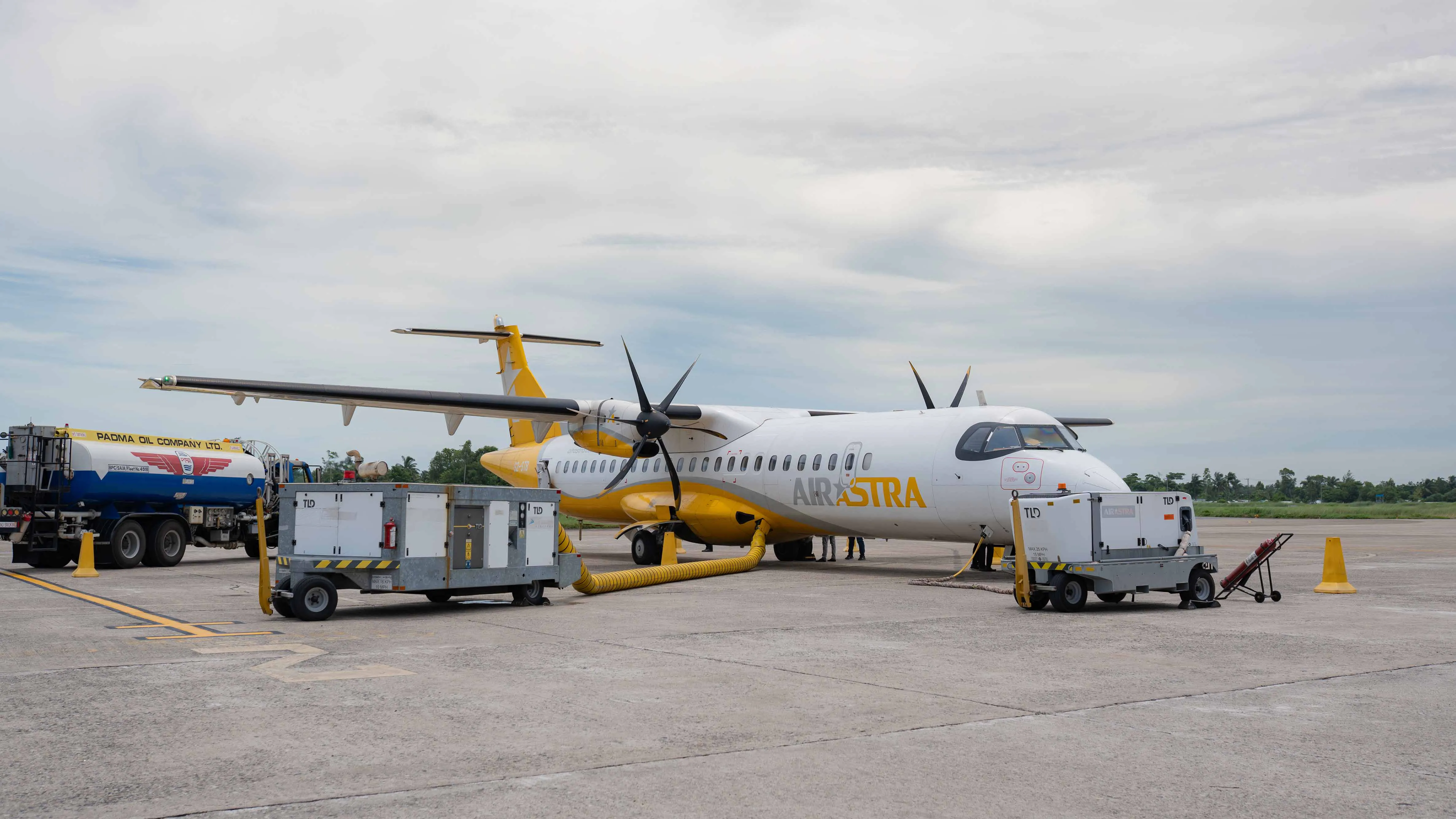
The airline has already received several recognitions for customer service and operational performance, including awards from The Bangladesh Monitor.
Air
Astra also achieved another major milestone by securing IOSA registration - the
IATA Operational Safety Audit certification - before completing two years of
operations.
According
to Asif, the achievement may make Air Astra one of the youngest airlines
globally to achieve IOSA accreditation.
"It
is the global benchmark for operational safety," he said. "It proves
we operate at international standards."
New
airports, new possibilities
Air
Astra is also closely watching the government's plans to reopen several
currently inactive domestic airports.
The
airline has already expressed interest to CAAB in operating services to
destinations such as Bogura, Thakurgaon, Ishwardi, Shamshernagar, and Bagerhat
if infrastructure becomes available.
Even
where ATR aircraft may not be feasible, Air Astra says it could consider
introducing smaller commuter aircraft similar to those used in India and
Europe.
"There
is demand," Asif said. "If we can provide reliable service with good
value for money, passengers will use it."
He
believes shorter travel windows and limited holiday periods in Bangladesh will
continue supporting demand for domestic air travel despite improvements in road
and rail connectivity.
"A
traveler going to Cox's Bazar for a weekend will still prefer a short flight
over eight or nine hours by road," he observed.
Industry
challenges remain
Despite
its expansion ambitions, Air Astra says Bangladesh's aviation sector still
faces major structural barriers.
Among
the biggest challenges, according to Asif, are limited airport infrastructure,
restrictive operating hours, inconsistent policy support, and a shortage of
skilled aviation manpower.
"There
is no 24-hour airport in Bangladesh outside Dhaka," he said. "In
countries like India, airlines can operate domestic flights throughout the
night, allowing better aircraft utilization."
He also highlighted parking limitations at regional airports, where only a few aircraft can be accommodated simultaneously.

Another
pressing issue is the shortage of trained aviation personnel.
"Bangladesh
lacks sufficient aviation training centers," Asif said. "There is
very little skilled manpower development happening. Airlines are often forced
to poach staff from each other."
He
also criticized taxation policies affecting the sector, arguing that many
countries have reduced aviation-related taxes to stimulate tourism and
connectivity.
"Countries
like Thailand have understood that facilitating affordable aviation ultimately
generates much larger economic returns through tourism and business," he
said.
A
young airline with big ambitions
Air
Astra's bright yellow livery, according to Asif, was intentionally designed to
represent a youthful, cheerful, and dynamic brand identity.
Three
years after launch, the airline now appears determined to evolve from a
domestic startup into a serious regional aviation player.
"We
want to provide a reliable, safe, and customer-focused experience," Asif
said. "This is just the beginning of our journey."