

Gexian Village : Myth, mountains, modern tourism converge in rural China

Dhaka : Tucked away in the misty mountains of
Jiangxi Province, Gexian Village feels less like a conventional tourist
destination and more like a carefully composed dreamscape. My journey there
began with winding roads that gradually shed the noise of nearby towns,
re-placed instead by the quiet rhythm of rivers, forested slopes, and distant
temple silhouettes emerging through low-hanging clouds.
Gexian Village is built around the cultural and
spiritual legacy of Mount Gexian, a site associated with Gexian, a Taoist
figure believed in local tradition to have attained immortality. Whether one
approaches the village as a cultural site, a themed resort, or a spiritual
landscape, it quickly becomes clear that its identity is layered - part
mythology, part architectural storytelling, and part modern tourism
engineering.
First impressions : Carefully constructed
ancient world
Unlike many rural villages that evolve
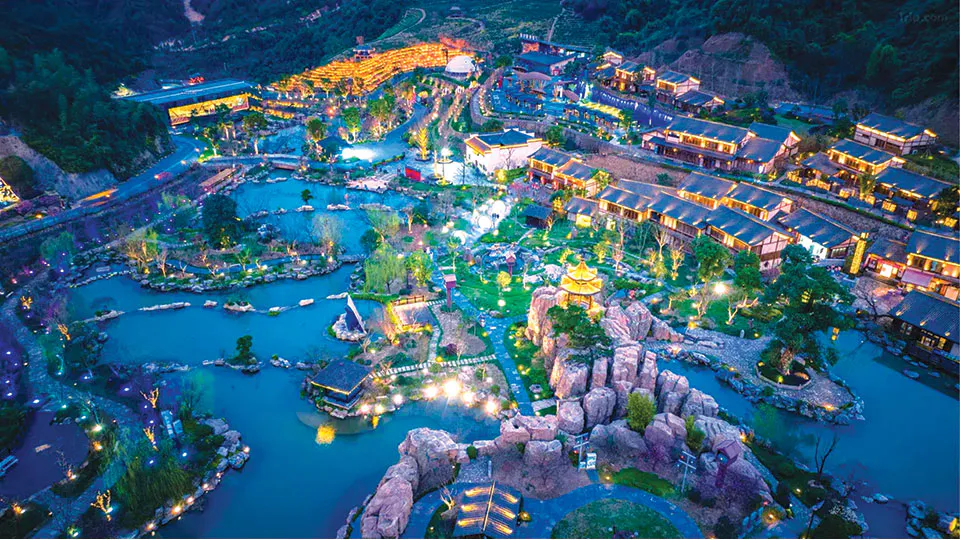
organically over centuries, Gexian Village is strikingly curated. Its wooden
bridges, tiled roofs, lantern-lit walkways, and stone-paved corridors are
designed to evoke the aesthetic of an ancient Jiangnan settlement. Yet
everything feels meticulously maintained, almost cinematic in its presentation.
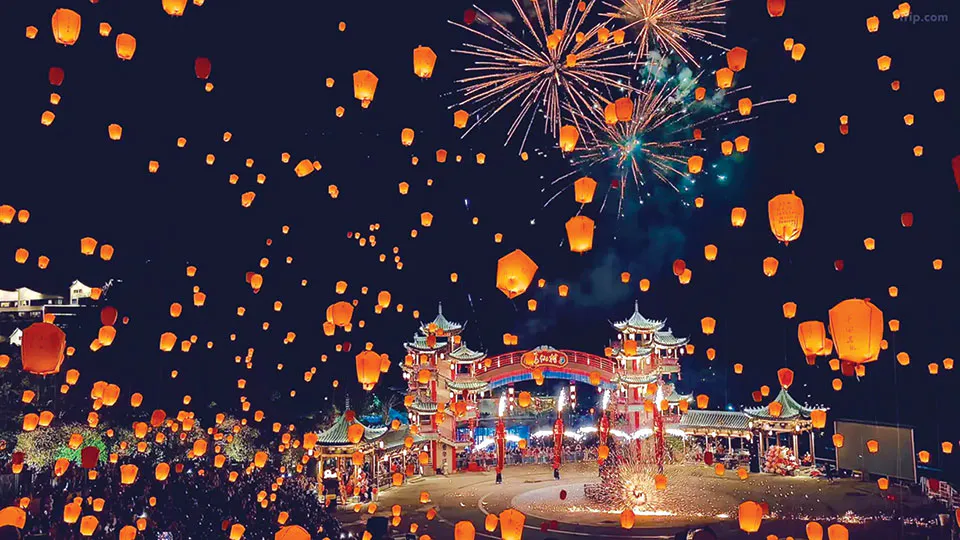
Walking through the village in the early evening, I was immediately struck by how light transforms the space. Red lanterns begin to glow along canals, reflections ripple across still water, and the surrounding mountains fade into a dark silhouette that frames the village like a natural theater backdrop.
There is an intentional blending here - between
constructed heritage and natural geography - that defines the entire
experience.
Spiritual geography of Mount Gexian
At the heart of the village's identity is its
connection to Taoist tradition. Mount Gexian, which rises behind the
settlement, is considered a sacred site in local folklore. Trails leading
upward toward temples and viewing points offer a quieter counterpoint to the
curated bustle of the village below.
Climbing these paths, the atmosphere shifts
noticeably. The commercial elements recede, replaced by incense-filled shrines,
stone inscriptions, and small resting pavilions where pilgrims and visitors
pause to take in the surrounding valleys.
Even for those not steeped in Taoist belief,
there is a palpable sense of symbolic geography here - the mountain
representing transcendence, and the village below representing human
interpretation of that ideal.
Between tourism,
Gexian Village is often de-scribed as a
"cultural tourism complex," and that description is not misleading.
It is a destination built with modern visitor expectations in mind: boutique
hotels, curated food streets, nightly performances, and immersive cultural
displays.
Yet what makes it particularly interesting is
how it blurs the line between authenticity and reconstruction. Rather than
presenting itself as an untouched ancient village, it openly embraces its role
as a designed environment inspired by history and myth.
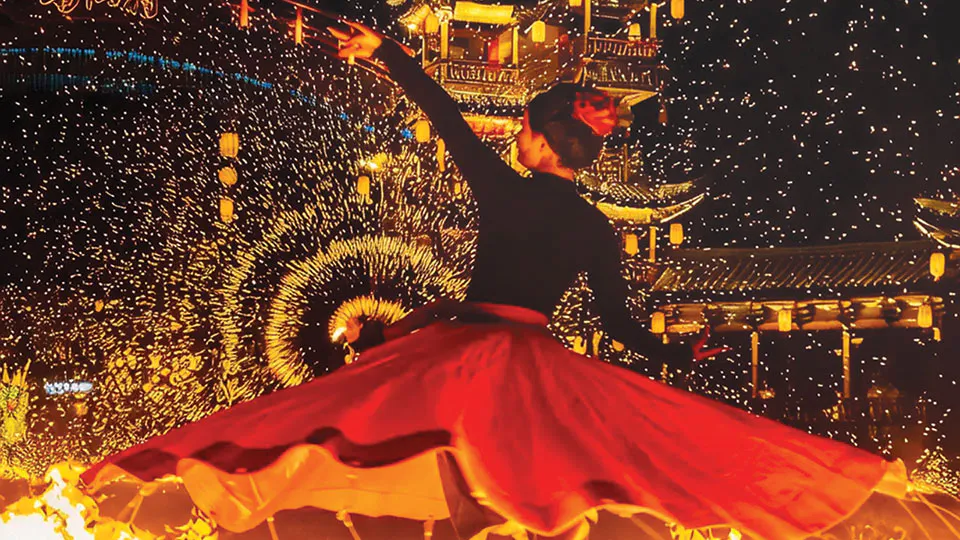
In the evenings, performances depicting Taoist
stories and local legends take place along the water channels. Drone shows and
light displays occasionally transform the sky into a moving canvas. These
elements are undeniably modern, yet they are woven into a setting that visually
insists on antiquity.
This tension - between heritage and spectacle -
is central to the Gexian Village experience.
Visitor experience : Immersion by design
What stands out most is the level of immersion.
Hotels within the village are integrated into the architectural theme, often
resembling traditional residences from the outside while offering contemporary
comfort inside. Pathways are intentionally walkable, encouraging slow
exploration rather than rushed sightseeing.
Food streets offer regional Jiangxi cuisine
alongside snacks designed for casual tourism. Small teahouses overlook canals
where visitors linger well into the night. Even commercial signage is carefully
stylized to maintain visual consistency.
As a travel journalist, it is difficult not to
notice how engineered the experience is - but it is equally difficult to deny
its effectiveness. Visitors are not merely observing a recreated ancient
village; they are moving through a staged environment designed to sustain
atmosphere at every turn.
Question of authenticity
One of the most compelling aspects of Gexian Village is the debate it inevitably raises about authenticity in modern tourism. Is a place less "real" because it is newly built, or does its cultural meaning derive from the stories it successfully evokes?
In Gexian Village, authenticity does not come
from age, but from intention. The architecture, performances, and landscape
design are all aligned around a coherent narrative rooted in Taoist mythology
and regional identity.
Critics of such developments may argue that
they sanitize or simplify history. Supporters, however, see them as a way of
making cultural heritage accessible to broader audiences in an era where
original sites may be inaccessible, deteriorated, or too fragile for mass
tourism.
Nightfal l: Village becomes stage
If daytime reveals the structure of Gexian
Village, nighttime reveals its personality. As darkness settles, the entire
settlement transforms. Lanterns multiply in their visual intensity, reflections
deepen across water channels, and ambient music subtly fills the air.
Crowds gather along bridges and viewing
platforms for scheduled light shows that animate the village in coordinated
sequences of color and movement. At times, it feels like walking through a
living installation rather than a static location.
Yet despite the scale of production, quieter
corners remain. Narrow alleys, temple steps, and riverside benches offer
moments of stillness for those willing to step away from the main spectacle.
Village between worlds
Gexian Village ultimately exists in a space
between categories. It is neither a traditional rural settlement nor a purely
artificial theme park. Instead, it represents a growing trend in China's
cultural tourism sector: destinations that blend mythology, architecture, and
entertainment into immersive environments.
For visitors, the experience is less about
historical accuracy and more about emotional atmosphere. It is a place designed
to be felt as much as it is seen.
As I left the village, the mountain behind it
fading into morning mist, what lingered most was not a single landmark or
performance, but the overall coherence of the experience-a carefully
constructed world where legend, landscape, and leisure converge.
In Gexian Village, the past is not simply
preserved. It is actively reimagined, illuminated, and performed.