

Rising fuel costs put future of four-engine freighters in doubt

Dhaka: The collapse of European Cargo's operations in early June has revived questions over whether high fuel costs will eventually push four-engine freighters out of service.
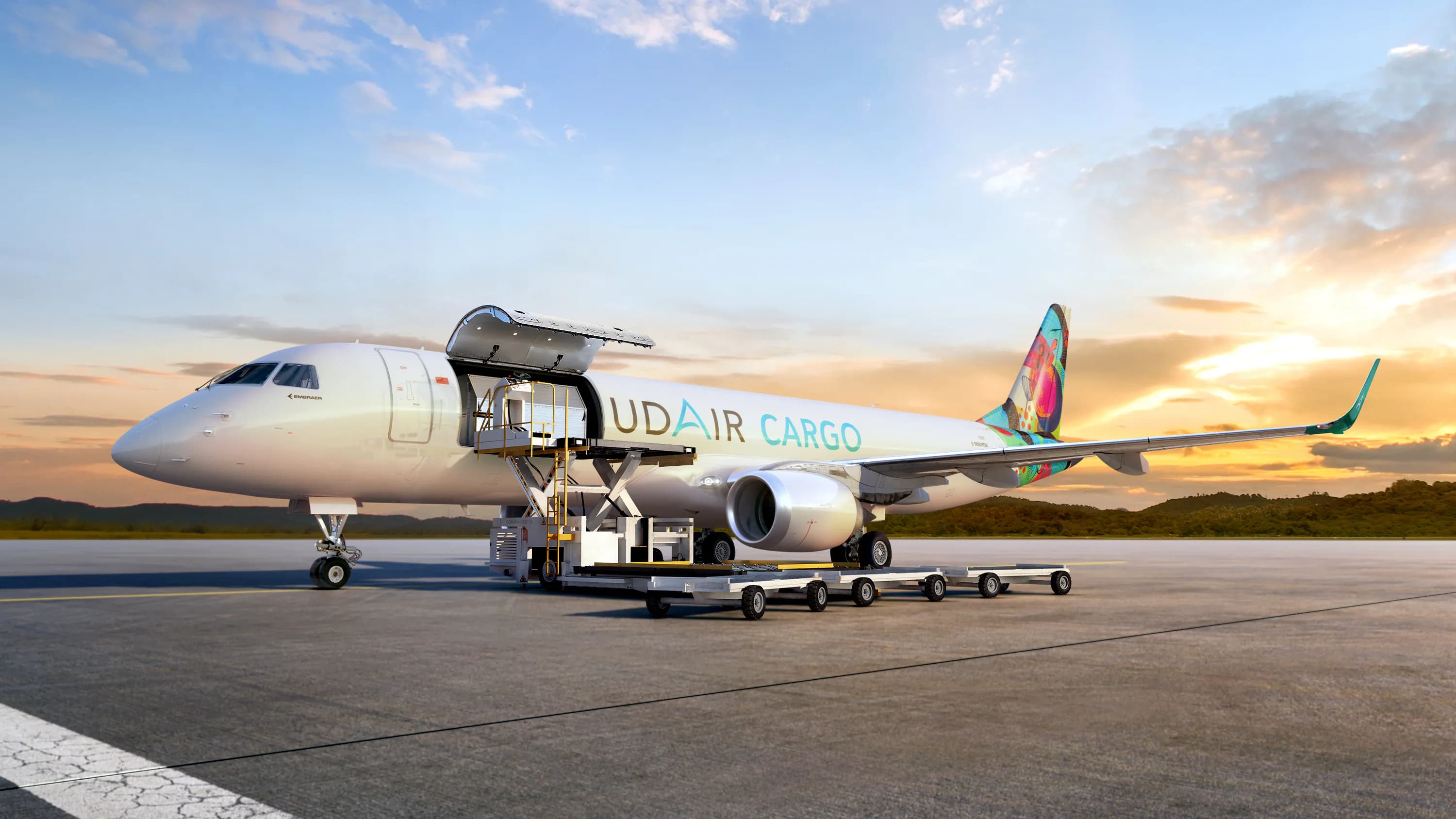
European Cargo's Airbus A340-600 "preighter" fleet hauled e-commerce and general cargo from Asia to the UK, but volatile fuel prices and weak rates made the operation unsustainable, bringing about its receivership.
Aviation fuel prices reportedly doubled after the outbreak of the US-Israeli war on Iran, reaching USD 4.02 per barrel on April 2.
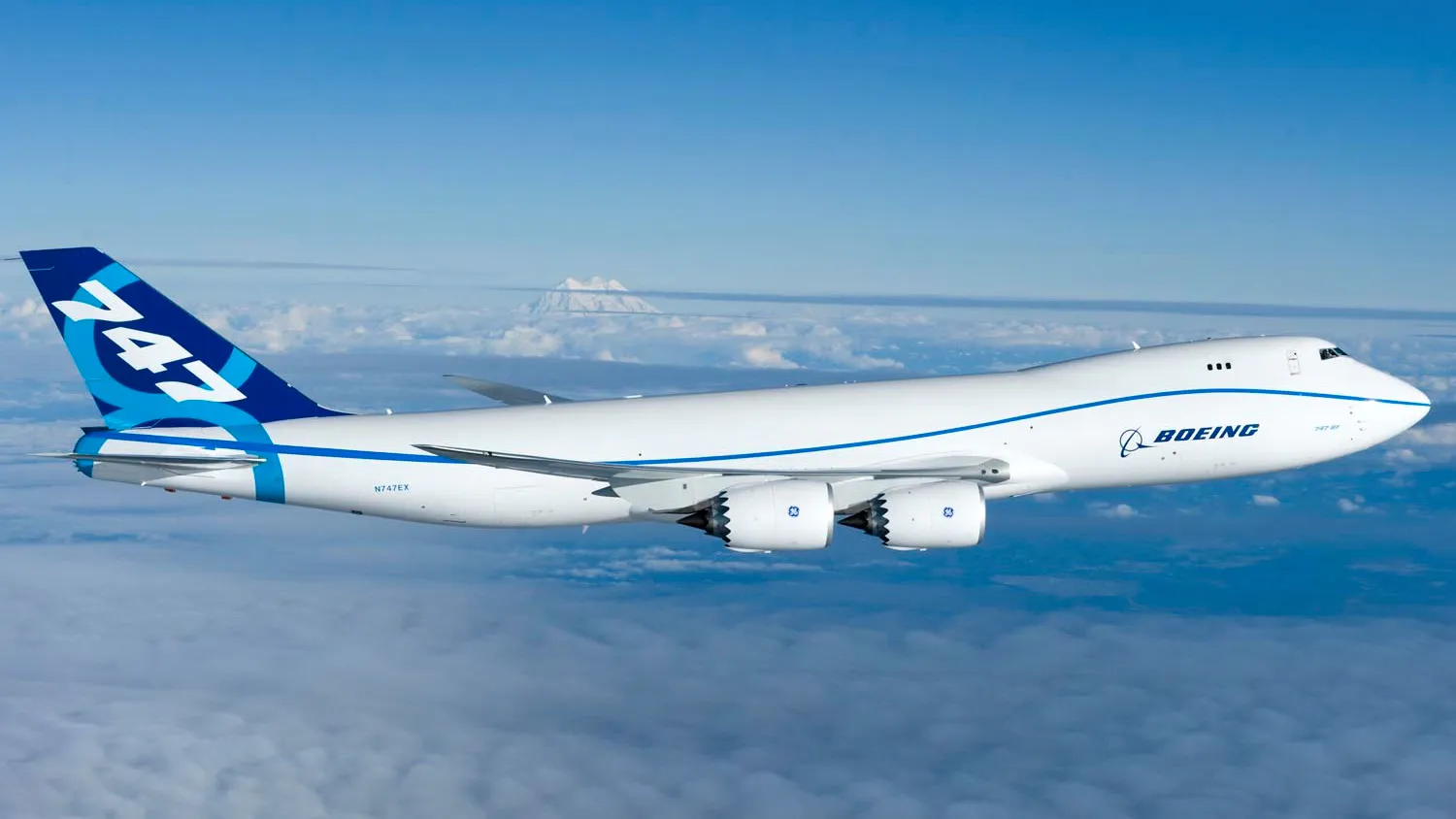
Prices eased through May and early June, but the conflict's duration and the time needed to restore oil output suggest elevated prices could persist, raising fresh doubts about the long-term viability of four-engine freighters such as the Boeing 747.
Some carriers, including Silk Way West and Air China Cargo, have already begun trimming their 747 freighter fleets.
Tom Crabtree, Managing Director of Transport Research Advisory, cautioned against comparing the A340-600 conversion directly with the 747-400F, noting the former lasted longer than expected despite labor-intensive loading and long turnaround times.
Robert van de Weg, Chief Executive of Mexican cargo carrier Mas and a veteran of the 747 freighter business, said the aircraft remains highly sought after and difficult to replace.
Ram Menen, an industry veteran and former Chief Executive of Emirates SkyCargo, said sharp fuel-price spikes have occurred before, often when air cargo yields were considerably lower than they are today.
He pointed to favorable market conditions, including ongoing shifts in global manufacturing and consumption patterns, as continuing to support strong demand for airfreight capacity.
Menen said the existing multi-engine freighters' market rates remain strong enough "to sustain and survive," adding that while the economics are weaker than for twin-engine jets, the type should stay relevant for at least another decade.
Van de Weg agreed, saying high fuel costs likely hurt the 747 more than the Boeing 777, even though it remains a strong aircraft overall.
Crabtree acknowledged a genuine threat to four-engine aircraft from elevated fuel costs but cited several factors working in the 747 freighter's favor.
Most existing aircraft have already been paid off, removing pressure to generate revenue for interest payments, and their utilization rates remain close to those of the 777, he said.
Maintenance costs are likely to climb as the fleet ages, adding to higher fuel consumption, though Crabtree said that pressure remains some years away for most operators.
Over time, he expects the 747's share of global freight volume to shrink gradually, with the type shifting from scheduled service toward charter work carrying oversized cargo that requires nose-loading capability.
Growth in the 777 freighter fleet is accelerating that shift. The 777 freighter fleet surpassed the 747 freighter fleet in size last September.
Boeing has delivered 12 777 freighters so far this year and is reportedly seeking approval for a final production run of 777-200Fs before the 777-8F enters service.
Despite rising freighter output, availability remains constrained by a broader widebody aircraft shortage tied to ongoing supply-chain problems at major manufacturers.
That shortage was underscored by one converted freighter that sat ready for delivery without engines after they were removed to power a passenger aircraft instead.
Given such constraints, most operators are likely to think twice before retiring a functional widebody freighter.
Crabtree said wider 777 availability could make it more appealing for operators to shift aging 747s into charter work focused on project cargo.
However, 747 freighters originally built as passenger jets lack nose doors, ruling out that option for converted units.
"The first to retire will be converted 747-400s," Crabtree said, adding that 747-8s, built between 2011 and 2023, could remain in service for roughly 40 years.
He added that revenue considerations, rather than cost, will ultimately determine how long four-engine freighters stay in operation.