


Why Bangladesh remains an overlooked travel destination, despite its natural wonders

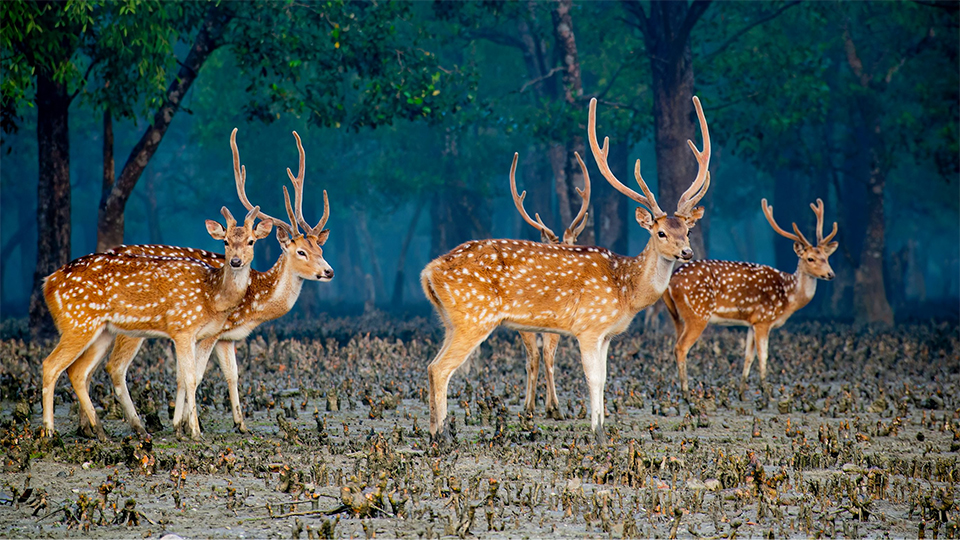
Dhaka: With dense mangrove forests, rolling tea estates, and one of the world’s longest uninterrupted beaches, Bangladesh would seem well positioned to attract international tourists. Yet for many travelers, the South Asian nation remains largely absent from global travel plans.
According to figures from the Bangladesh Tourism Board, the country received roughly 650,000 foreign visitors in 2024 — a modest figure compared with tourism-heavy neighbors like India and Sri Lanka. Industry insiders said, the shortfall has less to do with attractions and more to do with perception.
Bangladesh is often associated abroad with floods, cyclones, political turmoil, and garment factories rather than travel experiences, said Jim O’Brien, Director of Native Eye Travel, which has been running tours in the country since 2017. “People rarely hear about Bangladesh for positive reasons,” he explained.
That reputation, local guides argue, hides the country’s cultural depth and the kind of immersive experiences many modern travelers now seek.
Beyond the headlines
Fahad Ahmed, Founder of Bengal Expedition Tours, believes visitors should start in the capital, Dhaka — a megacity of roughly 24 million people and one of the most densely populated urban areas on Earth. Its chaos, he said, is precisely what makes it compelling.
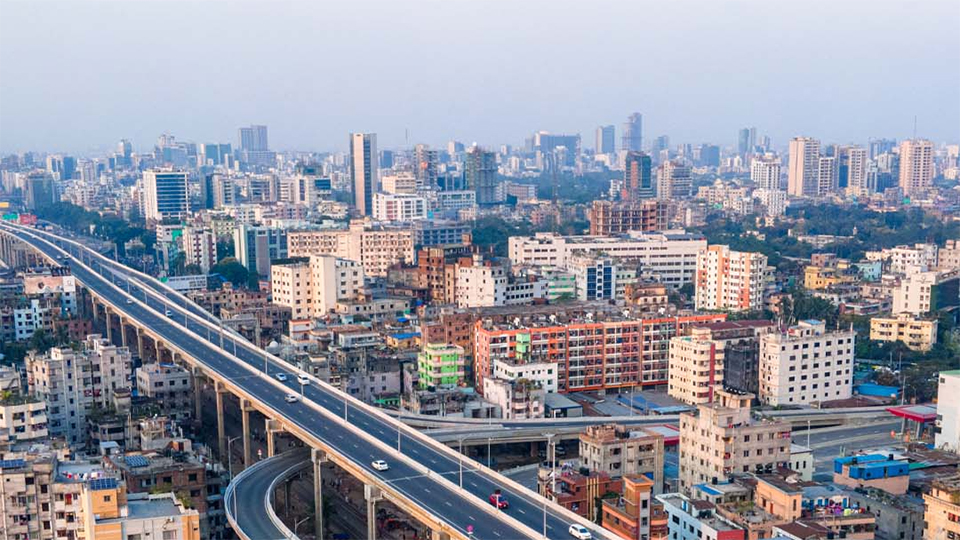 The capital Dhaka’s chaos is what makes it compelling to tourists
Beyond the capital, Ahmed highlighted the tea-growing hills of Sreemangal, where plantations stretch toward the Himalayan foothills, and the coastal town of Cox’s Bazar, home to a 75-mile shoreline often described as the world’s longest natural sea beach.
“People don’t want staged attractions anymore,” Ahmed said. “They want to understand how locals actually live.”
Improved visa-on-arrival access, new hotels in Dhaka, and growing interest from international tour companies have made Bangladesh easier to visit in recent years — though selling it as a destination remains a challenge.
Visitors who took leap
British traveler Anand Patel joined an adventure tour in late 2025, pairing Bangladesh with a trip to Bhutan. He admitted, the country was not high on his wish list — until the opportunity arose.
“Most people questioned why I’d go,” Patel recalled. “Bangladesh is seen as a place people leave, not visit.”
Once there, his impressions changed quickly. A river journey to Barishal exposed him to floating markets and riverside farms untouched by tourism.
 A river journey to Barishal exposes tourists to floating markets and riverside farms untouched by tourism
“It was not a show put on for visitors,” he said. “It felt completely real.”
Irish traveler Gary Joyce, who joined a similar tour, echoes that sentiment. Staying in Dhaka’s Old City, he was immersed immediately in the noise, color, and intensity of daily life.
“The city never seems to sleep,” Joyce said. “It’s overwhelming — but in a fascinating way.”
A country misunderstood
Tour operators agreed that Bangladesh’s biggest obstacle is image. Dhaka-based guide Kawsar Ahmed Milon said, many foreigners expect disorder and danger — assumptions often shaped by viral videos showing overcrowded trains or polluted neighborhoods.
“There’s a tendency online to focus only on the negatives,” Milon explained. “But visitors who come here usually leave with very positive memories.”
Bangladesh’s turbulent history — from the 1947 partition of India to the 1971 war of independence and decades of deadly cyclones — has shaped international perceptions. Political unrest and poverty remain real issues, but guides argue they are only part of the story.
Some tours include visits to garment markets and shipbreaking yards, reflecting Bangladesh’s role as the world’s second-largest clothing exporter. While conditions in these industries can be harsh, Ahmed believes responsible tourism can offer economic alternatives.
“If tourism grows, it creates jobs outside dangerous labor,” he said.
Nature, not mass tourism
Outside the cities, Bangladesh’s ecological appeal is significant. The Sundarbans — a UNESCO-listed mangrove forest — offers river safaris where travelers may spot rare Bengal tigers. Community-led eco-tourism initiatives allow locals to earn income as guides, boat operators, and homestay hosts.
Political instability, however, continues to concern some travelers. Sporadic unrest around elections and recent high-profile political trials have led to varying international travel advisories, creating confusion for would-be visitors.
Despite this, companies like Lupine Travel continue to operate tours, arguing that disruptions are usually localized and avoidable.
O’Brien believes Bangladesh is unlikely to rival mainstream destinations anytime soon — and that may be a strength.
“It attracts travelers who want something raw and unfiltered,” he said. “People who are happy to trade luxury for authenticity.”
Ahmed agreed, adding that unchecked tourism could undermine what makes Bangladesh special in the first place.
“We don’t want crowds,” he said. “We want visitors who come to understand us. If mass tourism arrives, the real Bangladesh disappears.”
T