

AirAsia posts MYR 830.5 million net loss in 2Q26 as fuel costs surge

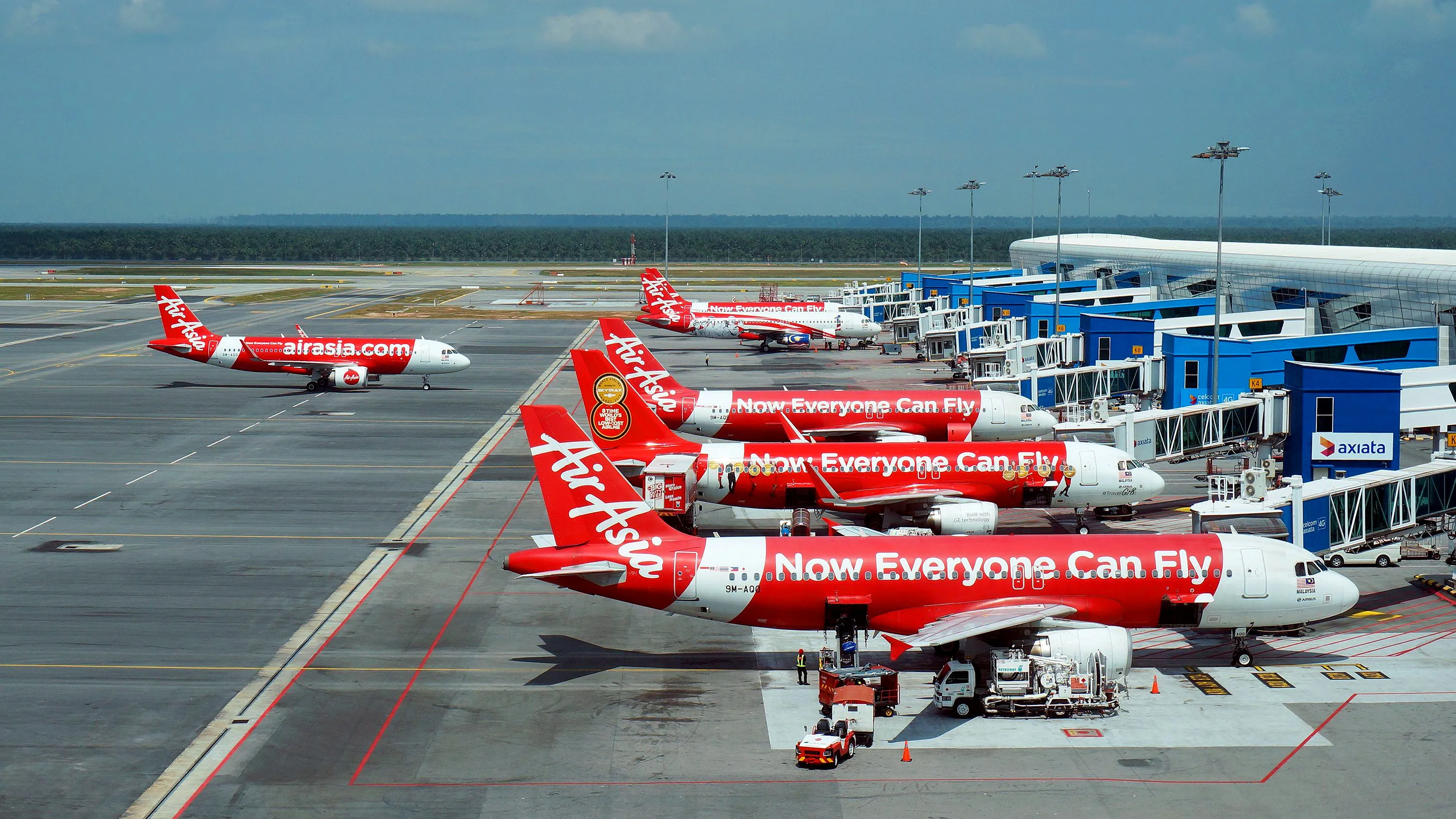
Dhaka: AirAsia Group reported an unaudited net loss of MYR 830.5 million for the second quarter of 2026 (2Q26), ended June 30, driven largely by foreign exchange losses amid a volatile global energy market.
Excluding a forex loss of MYR 331.0 million, the group's net loss would have stood at MYR 499.6 million, the airline said in its quarterly financial results.
Revenue held nearly steady at MYR 5.1 billion, down 1% year-on-year, despite an 11% cut in capacity, as the group prioritized fare yield over passenger volume. Revenue per Available Seat Kilometer rose 11% year-on-year to 21.28 sen.
Fuel expenses jumped 58% year-on-year, with average jet fuel prices spiking to USD 183 per barrel during the quarter. Even so, AirAsia Group posted a positive EBITDA of MYR 442.6 million, down 56% year-on-year.
The group said financial strain was concentrated in short-haul operations in Thailand, the Philippines, and Indonesia, and in long-haul operations in Malaysia, while short-haul units in Malaysia and Cambodia remained profitable.
In response, AirAsia Group suspended underperforming long-haul routes, postponed the launch of its planned Bahrain hub, and restructured operations in the Philippines and Indonesia with reduced fleet allocations to focus on high-yield domestic and Asean routes.
The airline also cut non-fuel operating expenses, with cost per Available Seat Kilometer, excluding fuel, dropping 7% year-on-year to 11.02 sen.
The group said it recovered roughly 70% of higher fuel costs in 2Q26 through fare adjustments and cost cuts. Fare growth was limited to 4% year-on-year in April due to pre-sold inventory, before jumping over 20% year-on-year in May and June.
AirAsia Group is returning 25 older aircraft this year to cut lease costs, with new Airbus A220 and A321XLR deliveries planned from 2028. It is also in talks for up to USD 1.0 billion in international funding and MYR 700 million in local facilities, including a potential bond issuance.
AirAsia Group CEO Bo Lingam said the second quarter marked the peak of energy market volatility and described it as the group's "floor quarter" for the year.
He said fares grew over 20% in May and June while non-fuel unit costs fell 7%, showing the airline could largely offset fuel increases without hurting demand.
Lingam added that Thailand is expected to narrow losses in the third quarter and return to profitability in the fourth quarter.
The group plans to cut third-quarter capacity by 20-25% year-on-year, citing seasonal softness, before restoring capacity to pre-war levels in the fourth quarter to capture year-end holiday demand across its core Asean network.