

New Fujairah terminals to offer UAE alternative cargo route

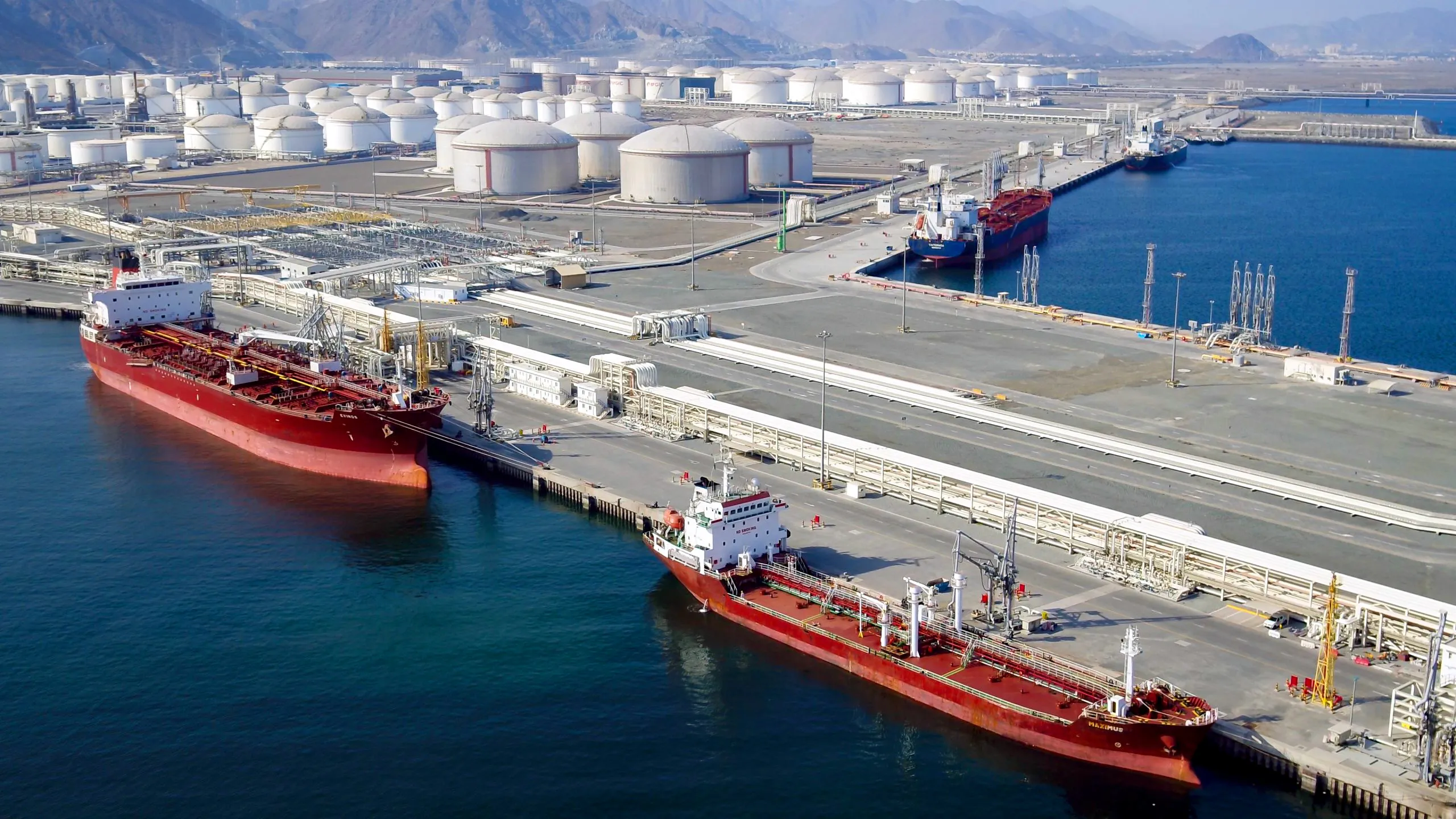
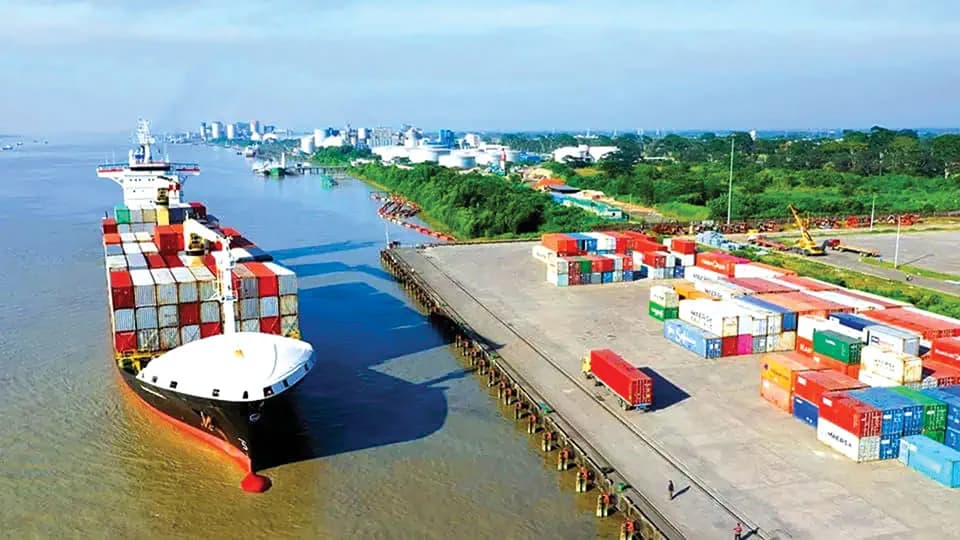
Dhaka: The United Arab Emirates’ planned new terminals at Fujairah will hand the UAE a second maritime gateway, easing pressure on Jebel Ali and shielding the country's re-export trade from disruptions along the Strait of Hormuz, according to Moody's Ratings.
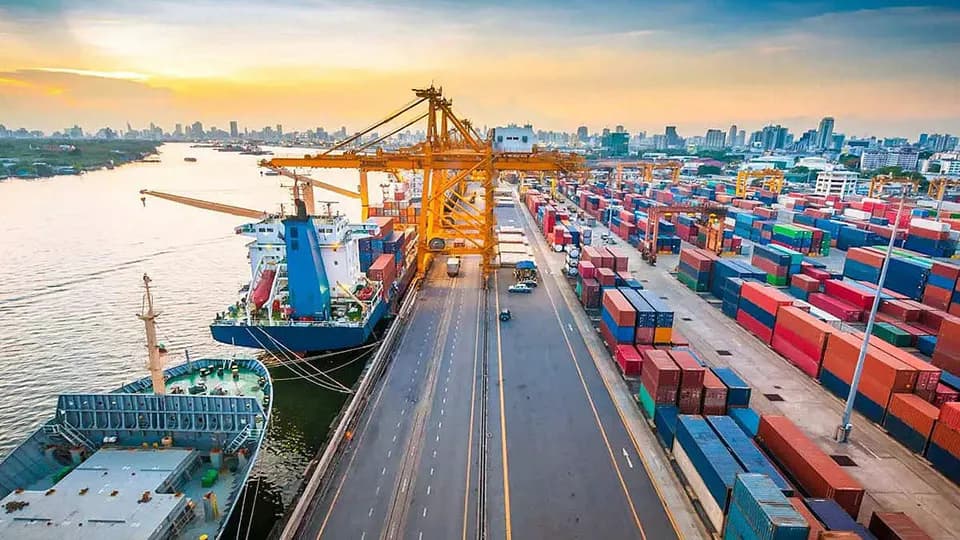
The port operator, DP World, recently struck a preliminary deal with the Fujairah Ports Authority to build the Al Rugaylat container and multi-purpose terminal along with the Dibba general cargo terminal, under a concession running 50 years.
Moody's noted in a research note that the new facilities would give free-zone tenants another way to import and re-export goods if the Strait of Hormuz were ever closed, while also opening a fresh entry point for construction materials and other essential cargo.
Two coastlines, one strategy
Geography is the key advantage. Jebel Ali sits within the Strait of Hormuz, whereas Fujairah lies on the Gulf of Oman with direct access to the Indian Ocean, giving the UAE a route that bypasses the strait entirely.
That advantage has grown more relevant since shipping disruptions began hitting the Strait of Hormuz in March, which have already dented cargo volumes and revenue at Jebel Ali, Moody's said.
Shipping analysis firm Alphaliner, cited by trade publication The Loadstar, described Fujairah's position outside the Gulf as a significant asset for liner shipping, since vessels bound for the UAE could dock there without transiting the strait and then move cargo overland.
Linking east with west
The Fujairah terminals will link to Jebel Ali Port and its free zone via DP World's inland network, allowing shippers to move goods between the UAE's east and west coasts. The setup is meant to add capacity, not replace Jebel Ali's role.
DP World Group CEO Yuvraj Narayan said Jebel Ali is running at high utilization, so the added capacity would give cargo owners more flexibility and strengthen supply chain resilience across the group's UAE network.
Securing re-export trade
The company expects the project to lift its UAE container-handling capacity by roughly 13%, from 19.4 million to nearly 22 million twenty-foot equivalent units, or TEUs. Moody's called the increase modest but said it could absorb close to half of Jebel Ali's current re-export volume.
Re-export cargo, unlike goods bound for the domestic market, is easier to divert to rival ports during prolonged disruptions, making its retention a priority for DP World's UAE logistics ecosystem, Moody's added.
Capacity, investment
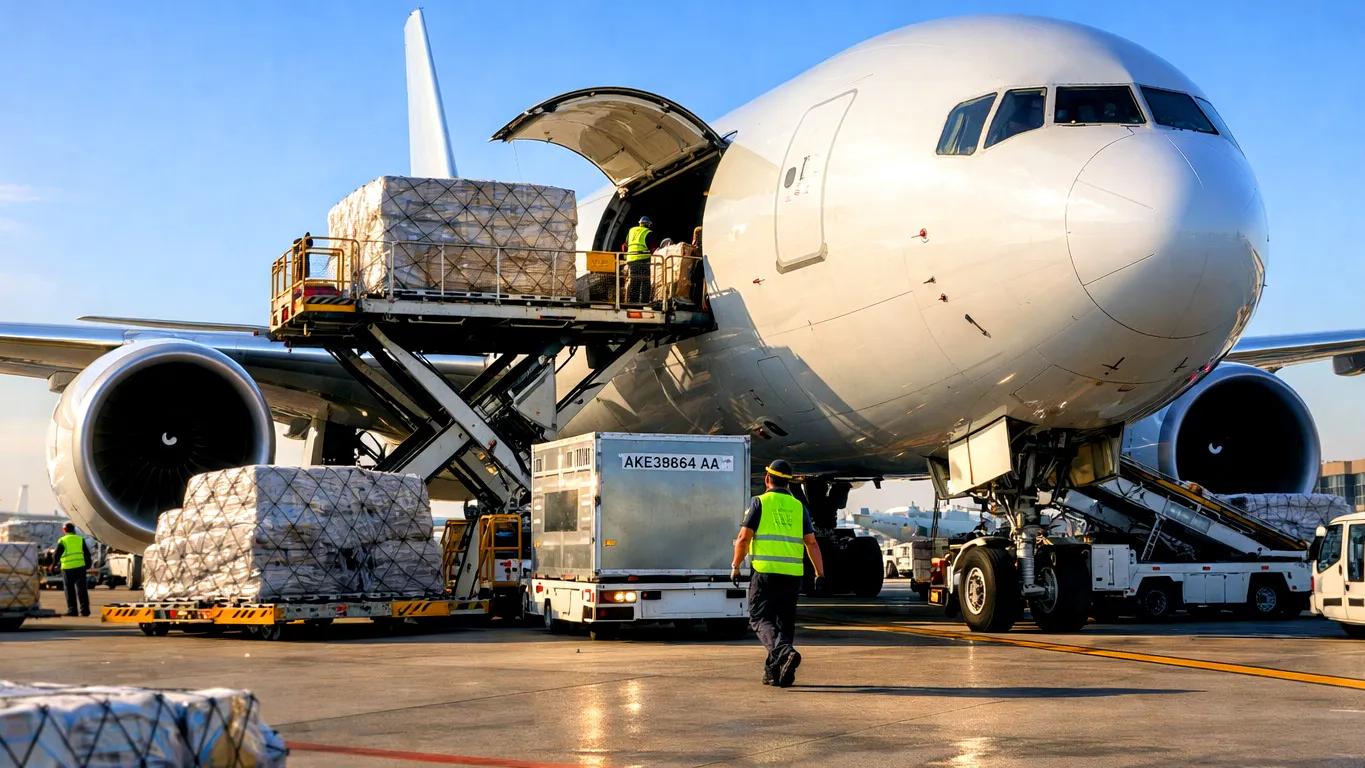
Al Rugaylat is designed to handle up to 2.5 million TEUs, 1.7 million tonnes of general cargo, and 190,000 car-equivalent units annually and will accommodate the newest ultra-large container vessels. Dibba will add capacity for 3.6 million tonnes of general cargo a year.
Fujairah Ports Authority Chairman Sheikh Saleh Bin Mohamed Al Sharqi said the project would bring fresh investment and operating capability to the emirate, though neither side disclosed the investment size or projected job numbers.