

Bangladesh domestic aviation faces steep decline as airlines seek policy reform

Dhaka
: Bangladesh's domestic aviation market has contracted sharply in recent years,
with passenger demand falling by about 40 percent as improved road and rail
links, weaker consumer purchasing power and soaring airline operating costs put
pressure on carriers, according to Mofizur Rahman, Managing Director of NOVOAIR
and secretary general of the Air Operators Association of Bangladesh (AOAB).
Talking
to The Bangladesh Monitor, Rahman said the domestic market expanded until
around 2022 but has since declined steadily. Routes that once supported
numerous daily flights have seen significant reductions, while services to
Barishal and Jashore have been suspended. Saidpur, which previously had around
20 daily flights, now has fewer than 10 combined services, he added.
Demand
shifts, fare pressure
Despite
the downturn, Rahman sees continued potential on routes to Cox's Bazar and
Sylhet. Poor road connectivity to Sylhet, in particular, could support stronger
demand for air travel, he claimed.
He attributed high domestic fares partly to the sharp depreciation of the taka, noting that the dollar exchange rate has risen from around BDT 80 to roughly BDT 127.
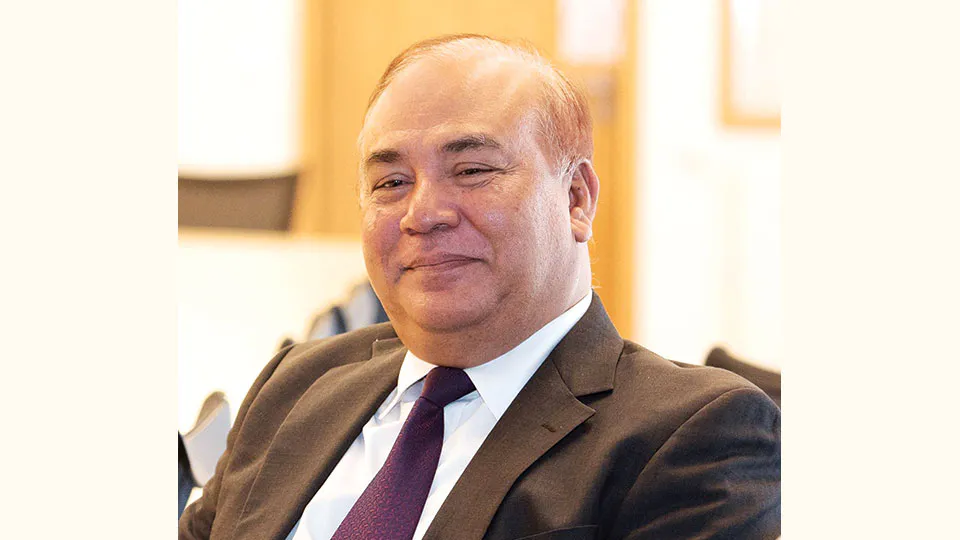 Mofizur Rahman
At
the same time, airline operating costs have increased by around 70 percent,
according to Rahman. Fuel remains one of the largest expenses, accounting for
about 45 percent of total operating costs, while sustained high fuel prices
continue to put pressure on carriers.
Aircraft
parts and other aviation-related expenses have also increased, while inflation
and broader economic pressures are adding to airlines' financial burden.
Rahman
mentioned private carriers are struggling to remain profitable while competing
with Biman Bangladesh Airlines, which receives government support. He argued
that private airlines need a more level competitive environment to sustain
operations.
NOVOAIR
eyes
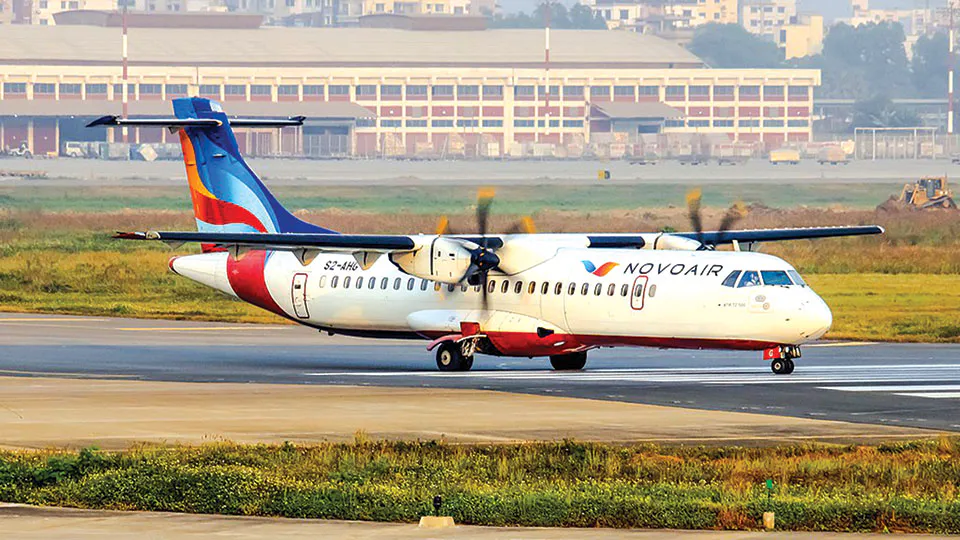
NOVOAIR
is preparing to expand beyond the domestic market. Rahman noted the airline is
in discussions with aircraft lessors and hopes to finalize an acquisition or
lease arrangement by the end of 2026.
The
carrier plans to begin international operations with three aircraft,
potentially Airbus A320/A321s or Boeing 737s. Proposed destinations include
Thailand, Malaysia, Singapore, the UAE and Oman.
Rahman
also added international operations would provide the airline with an
opportunity to diversify its revenue base as domestic demand remains under
pressure.
Calls
for new aviation policy
Rahman further mentioned Bangladesh urgently needs a comprehensive, business-friendly national aviation policy. The country's Civil Aviation Rules date to 1984, although they have subsequently been amended, and remain the core regulatory framework for civil aviation.
He
contrasted Bangladesh with India, which introduced an integrated National Civil
Aviation Policy in 2016 covering connectivity, infrastructure and regulatory
reforms.
Rahman
also called for stronger consultation between regulators and industry
operators, arguing that infrastructure investment should be aligned with actual
aviation demand and national priorities. He said a parallel runway at Dhaka
airport deserves greater attention because of the capital's growing air
traffic.
Looking
ahead, he said Bangladesh's aviation sector still has considerable growth
potential if regulatory barriers are reduced, government agencies coordinate
more effectively and competition with Biman becomes more balanced.
"Market
share of other local airlines must grow," Rahman concluded, arguing that
policymakers should create conditions that allow private carriers to expand
sustainably.