

Airfares set to stay high even as fuel costs ease

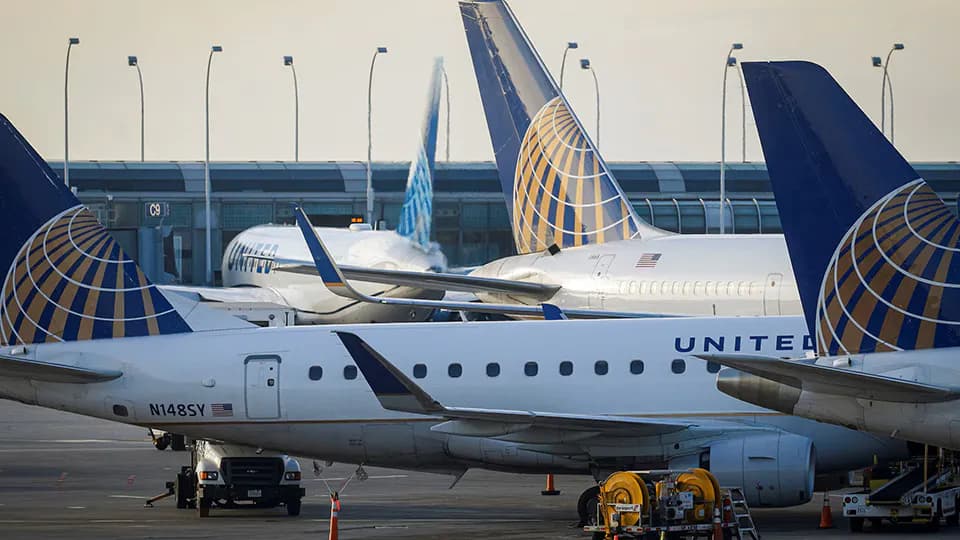
Dhaka: Airline industry leaders say ticket prices are unlikely to fall anytime soon, as carriers work to recoup billions of dollars in higher fuel costs tied to the American attack on Iran, alongside rising labor, maintenance, and operations expenses.
Some executives say fares could remain elevated even after fuel prices eventually decline.
"Labor costs have escalated dramatically. Maintenance is off the charts in terms of escalation. And those are all costs that every single airline pays the same," United CEO Scott Kirby said during a recent earnings call.
Combined with steady consumer demand despite steeper prices, airline leaders expect to retain pricing power at least through the end of 2026, if not longer.
United has said it will pay about USD 6 billion more for fuel this year than planned. American Airlines has projected a similar increase, a jump of more than 50% compared to 2025, with the added cost passed on to travelers through higher fares.
Fuel prices climbed after U.S.-Israel strikes on Iran led to the closure of the Strait of Hormuz, one of the world's key shipping channels.
Jet fuel ranks as an airline's second-highest cost after payroll, and this year's sharp rise caught carriers off guard. In response, airlines trimmed flight schedules, narrowing choices for travelers and pushing fares higher still.
For now, though, the higher prices do not appear to be curbing travel demand.
"We observed minimal to no negative impact on demand from higher price points, a trend we see continuing," United Chief Commercial Officer Andrew Nocella reported during a July earnings call.
Industry watchers say the real test of consumer appetite could come once the busy summer travel season winds down, when discretionary spending patterns typically shift and airlines get a clearer read on whether pricing power can hold into the fall and beyond.