

Dhaka luxury hotel market faces tougher competition as guest demand evolves

Dhaka
: Dhaka's upscale hotel sector is facing a more unpredictable business
environment as new international properties increase competition while
corporate travel remains under pressure, according to Md Al Amin, General
Manager of Renaissance Dhaka Gulshan Hotel.
Al Amin said 2025 was particularly challenging for the city's hospitality industry, with political uncertainty, a slower economy and reduced foreign arrivals weighing on occupancy. Many five-star hotels require occupancy of roughly 50 percent to 60 percent for stable operations, while some properties saw business fall significantly below expectations.
 Md Al Amin
Despite
the difficult environment, Renaissance Dhaka Gulshan has continued to improve
its occupancy and expand its market exposure. Al Amin noted that Dhaka's
branded hotel supply has increased by about 30 percent since 2018, making
growth in market share more significant as competition intensifies.
Corporate
travel remains the foundation
Renaissance
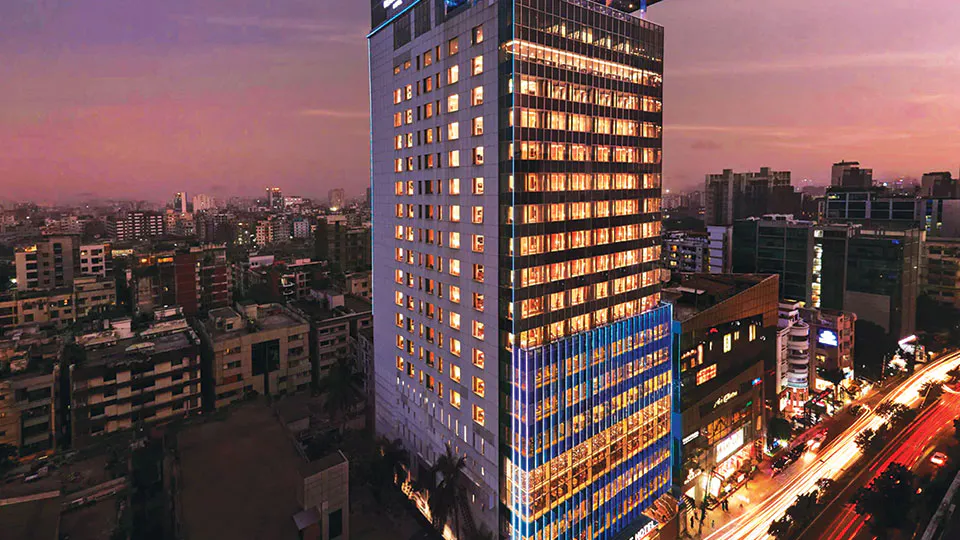
Dhaka Gulshan continues to rely heavily on corporate travelers because of its
location in one of the capital's key business districts.
Al
Amin added commercial demand remains the largest source of room nights across
Dhaka, while leisure demand is relatively limited because the city functions
primarily as a business and diplomatic center.
However,
the hotel is working to diversify its customer base by targeting expatriates,
diplomats, international visitors, domestic leisure travelers and social
events.
Corporate
clients have also become more cautious about spending. A decline in
international projects entering Bangladesh has softened foreign business
travel, while companies are paying closer attention to accommodation costs.
Al
Amin expects corporate demand to recover as economic and political conditions
stabilize.
F&B
becomes major
Food
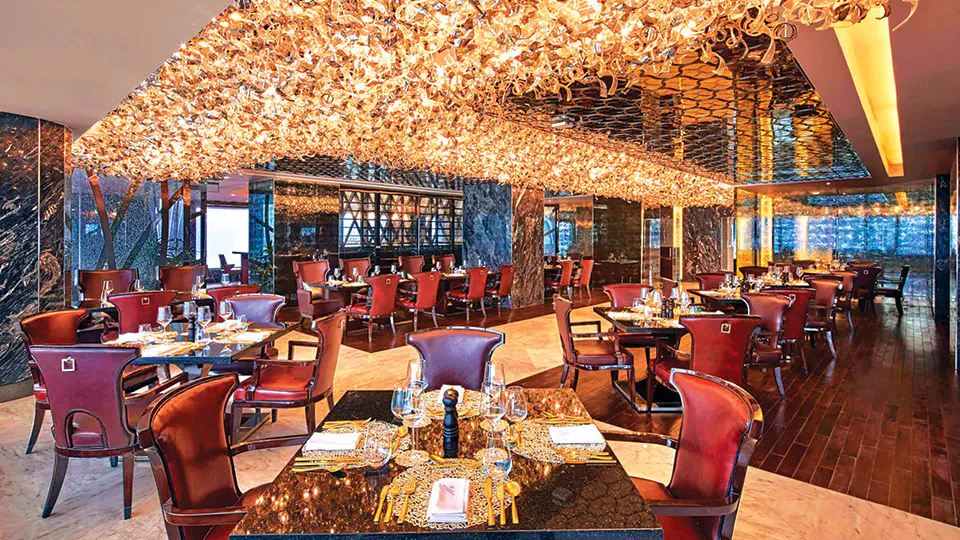
and beverage has become a particularly important component of the hotel's
business, accounting for close to half of its revenue alongside rooms.
Al
Amin noted the contribution is significantly higher than the typical 25 percent
to 33 percent share seen at many upper-upscale and luxury hotels globally.
The
hotel is seeing stronger interest in healthier dining, including lighter menus,
greater ingredient transparency and nutrition-focused choices. Demand comes not
only from hotel guests but also from local customers who visit its restaurants,
banquet facilities and other F&B outlets.
MICE
offers potential, growth remains
Meetings,
weddings and corporate and social events remain steady contributors to the
property's business.
Al Amin expressed Dhaka has the venues, connectivity and experience needed to host major international events, but the city's MICE sector remains largely untapped.
Rather
than expecting a dramatic near-term transformation, he sees MICE as a
dependable business segment that can grow gradually alongside the broader
hospitality market.
Rising
costs put pressure on margins
Higher
food, energy and labor costs are creating challenges for hotels across Dhaka.
Al Amin said Renaissance is managing those pressures through close cost control
while avoiding cuts that could affect guest experience.
The
hotel is also relying on brand strength to protect pricing rather than
competing primarily through discounts.
Despite
cost increases, he said F&B revenues have generally grown faster than
costs, helping margins remain stable or improve slightly.
More
competition could expand market
The
arrival of additional international hotel brands is expected to intensify
competition, but Al Amin views the trend as broadly positive.
New
properties can raise Dhaka's profile as a business and hospitality destination
while encouraging existing hotels to improve their products and services.
For
Renaissance, differentiation will increasingly come from personalized service,
guest recognition and the combination of Marriott's global technology platform
with local hospitality.
Personalization,
wellness shape future
Premium
travelers are increasingly seeking personalized experiences and wellness
throughout their stay rather than treating them as optional extras.
Al
Amin said Renaissance is responding with more tailored guest services,
health-focused dining and technology designed to anticipate customer needs
while maintaining human interaction.
Looking
ahead three to five years, he re-mains optimistic about Bang-ladesh's
hospitality sector. Renaissance Dhaka Gulshan plans to strengthen
personalization, wellness and F&B while expanding beyond its corporate
base.
Al
Amin concluded Bangladesh still has considerable room for hospitality growth,
and the hotel aims to help lead that expansion rather than simply follow the
market.