

Airlines prepare for winter capacity cuts as fuel costs rise

Dhaka: Airlines in the
United States, Canada and Europe are preparing for a difficult winter as rising
jet fuel prices and continued geopolitical uncertainty push carriers to
reconsider flight schedules and capacity plans.
Several major airlines
have signaled that they could reduce seats or suspend less-profitable routes if
fuel prices remain elevated, reversing expectations earlier this year that
operating costs would ease after the sharp increase triggered by the conflict
involving the United States, Israel and Iran.
The situation has become
more difficult in recent weeks as the fragile ceasefire has deteriorated and
fuel prices have moved higher. Airlines are now planning for the possibility
that elevated costs could persist well into the coming quarters.
In the United States, executives
from major carriers warned during a Morgan Stanley investor conference that
capacity could be adjusted if fuel remains expensive.
American Airlines, which
increased capacity by more than 5 percent year over year in the second quarter
as it sought to regain market share, said it would moderate future growth.
Chief Financial Officer Devon May indicated that the airline could make
additional adjustments to its December schedule in response to higher fuel
expenses.
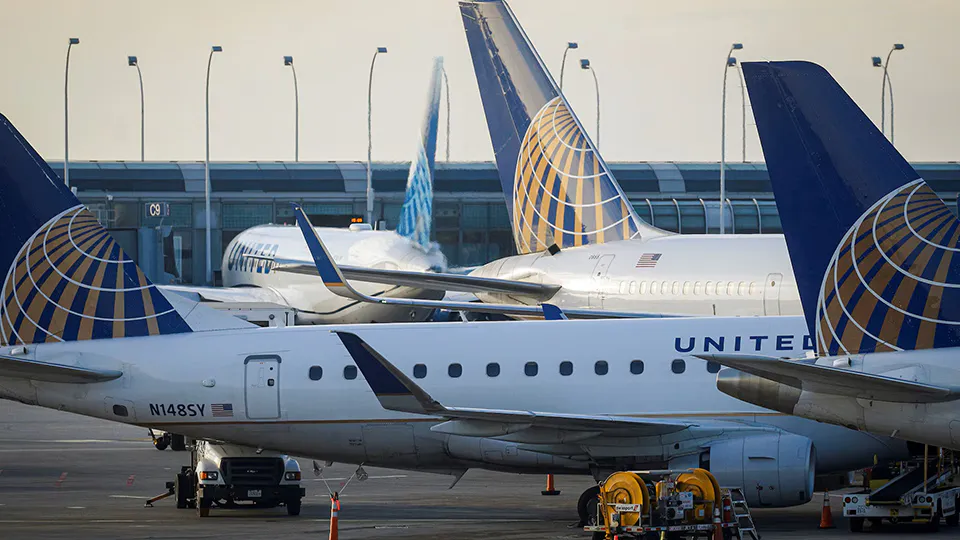
United Airlines is also
preparing to remove flights that no longer generate sufficient returns. Chief
Financial Officer Mike Leskinen said the carrier's focus is on profitability
and cash generation rather than maintaining market share at any cost.
Southwest Airlines has
already lowered its 2026 capacity growth forecast to between 1 percent and 1.5 percent,
compared with its earlier projection of 2 percent to 3 percent. Chief Financial
Officer Tom Doxey said further reductions could follow if fuel prices remain
high.
Air Canada is also
reviewing parts of its network. Chief Financial Officer John De Bert said the
carrier could reconsider some leisure and transpacific services, particularly
where higher fuel costs are difficult to recover through fares.
The pressure is similarly
evident in Europe.
Greek carrier Aegean
Airlines is taking a more conservative approach to capacity after concluding
that fuel prices could remain significantly above previous levels for several
quarters.
Leisure airline group
Corendon is making a more substantial adjustment. It plans to reduce its Boeing
737 fleet from 30 aircraft to 21 for the winter season, including the early
return of seven aircraft to lessors and the end of a wet-lease arrangement
involving two additional jets.
Irish low-cost carrier
Ryanair has also announced a one-time winter capacity reduction to limit its
exposure to fuel costs that have not been hedged.
The capacity decisions
are likely to put pressure on airfares as airlines seek to recover higher
operating expenses. Analysts will closely examine upcoming third-quarter
earnings reports for indications of whether passengers are accepting higher
fares and whether weaker demand could further influence winter schedules.
For airlines, the
challenge is balancing fuel costs, fares and demand while avoiding excess
capacity in markets where profitability has deteriorated.