

Bangladesh moves to overhaul aviation rules as government targets regional hub status

Dhaka
: Bangladesh is preparing to overhaul its civil aviation regulatory framework
and invest in airport infrastructure, maintenance facilities and passenger
services as the government seeks to turn the country into a regional aviation
hub and support its ambition of becoming a trillion-dollar economy by 2034.
Speaking
at a policy conclave titled "World-Class Aviation for Bangladesh's
Economic Development" in Dhaka on September 12, Civil Aviation and Tourism
Minister M Rashiduzzaman Millat said the government is replacing the Civil
Aviation Rules, 1984 with a new regulatory framework aimed at making the sector
more investment- and business-friendly.
The
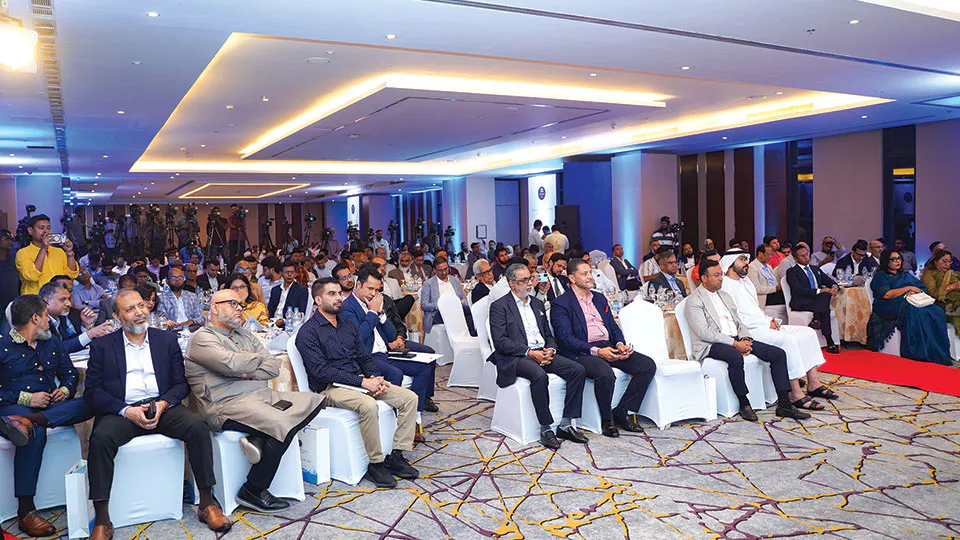
event, organized by Bonik Barta at The Prestige of United Convention Centre in
Kurmitola, brought together airline executives, aviation regulators, bankers,
diplomats, academics and other industry stakeholders.
Bonik
Barta Editor and Publisher Dewan Hanif Mahmud moderated the event.
New rules after four decades
 M Rashiduzzaman Millat
Millat
said the government has begun consultations with stakeholders as it prepares
the new Civil Aviation Rules 2026.
"After
nearly 42 years, we're amending the Civil Aviation Rules, 1984 and formulating
the new Rules 2026," he mentioned, adding that the revised framework would
address passenger service standards, aviation safety and security while
facilitating private investment.
The
minister mentioned Bangladesh needs to develop airport infrastructure,
passenger and cargo facilities and services around airports if it wants to
compete with established aviation hubs abroad.
He
described airports as a country's gateway and "mirror," arguing that
better management and facilities are essential to improving Bangladesh's
international image.
The
government is also planning an aviation master plan as part of its broader
effort to develop the sector.
Third Terminal seen as hub-building opportunity
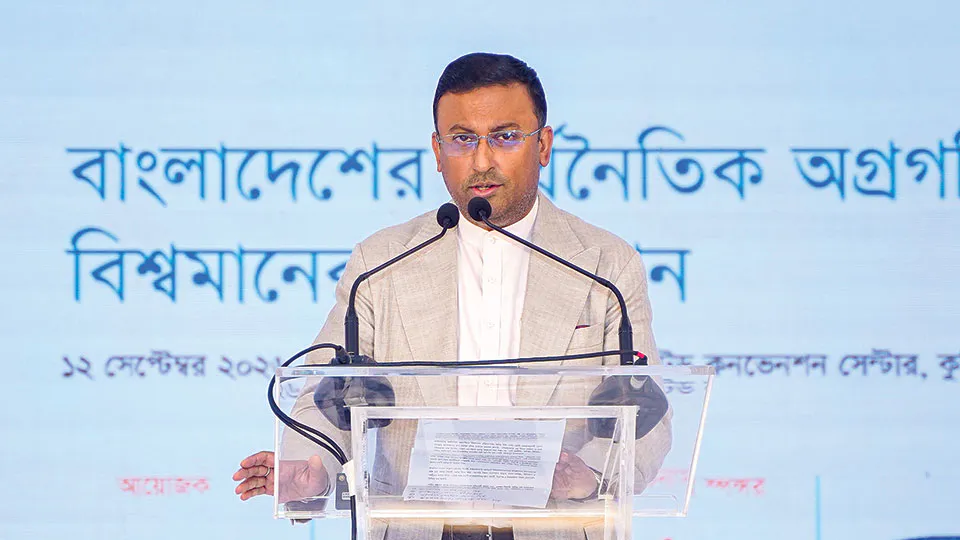 Humaiun Kobir
State
Minister for Foreign Affairs Humaiun Kobir said Bangladesh is moving toward a
more open aviation policy and wants to create a business-friendly environment
for airlines and other stakeholders.
He
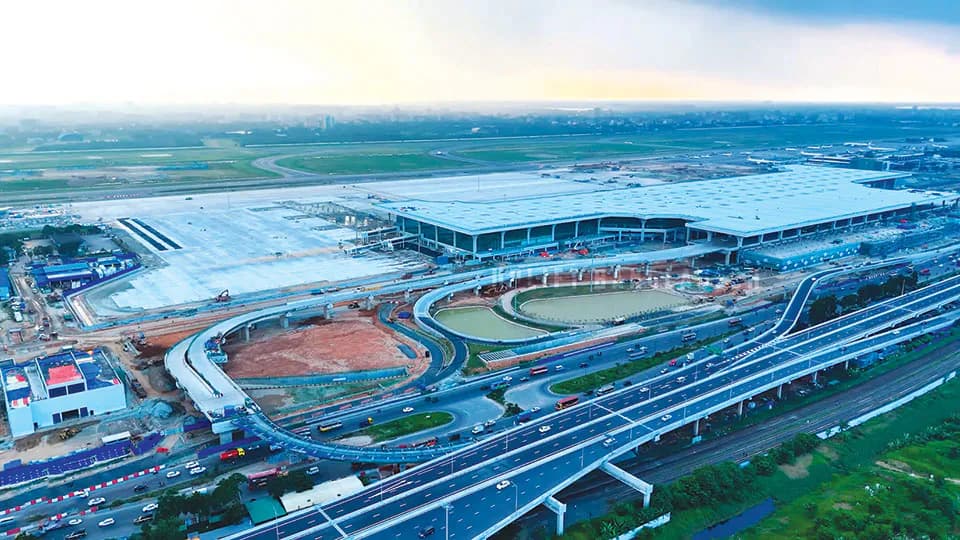
added negotiations with a Japanese consortium over operating Hazrat Shahjalal
International Airport's Third Terminal are nearing completion. The government
expects the agreement to provide Bangladesh with a larger revenue share than
the arrangement agreed under the previous administration.
According
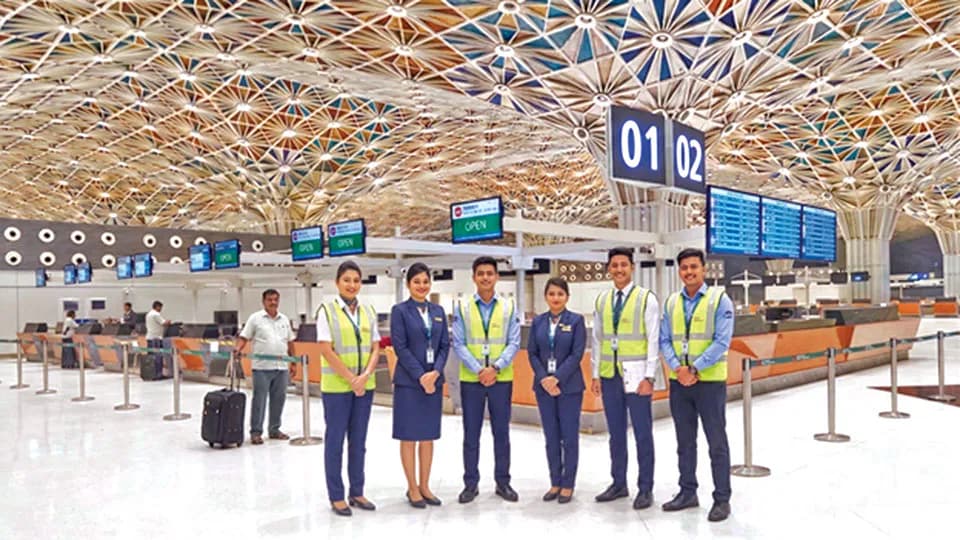
to Kobir, the terminal is expected to have a soft opening in December and
become fully operational around March or April.
Once
operational, the terminal is expected to handle up to 12 million passengers
annually, he further mentioned.
Kobir
also added the country also needs stronger ground-handling services, larger
airline fleets, aviation training facilities and better cargo infrastructure to
establish itself as a regional hub.
"We
need to increase our network. Cargo has potential. We need to utilize it,"
he noted, adding that Bangladesh also plans to develop domestic MRO
capabilities.
Airlines seek lower costs, fairer competition
 Abdullah Al Mamun
US-Bangla
Airlines Managing Director Md Abdullah Al Mamun said high taxes, fuel prices,
ground-handling costs and congestion at Dhaka airport are putting pressure on
airlines and passengers.
He
claimed the airline loses around BDT 2 million worth of fuel every day because
of delays associated with the single runway at Hazrat Shahjalal International
Airport.
Aircraft
can spend significant time waiting for takeoff or landing, increasing fuel
consumption and disrupting schedules, he expressed.
Mamun
also pointed to differences in taxes and charges between Bangladesh and
competing regional markets. He said a passenger traveling from Dhaka to Kuala
Lumpur pays around BDT 9,890 in government taxes and excise duties, compared
with roughly BDT 2,000 on the Kuala Lumpur-Dhaka sector.
Similar
differences exist on routes to Singapore and Muscat, he said, arguing that such
costs ultimately feed into airfares.
He
also criticized ground-handling charges and licensing restrictions, saying
Bangladesh needs a level playing field if domestic airlines are expected to
compete with foreign carriers.
Need for domestic aviation capacity
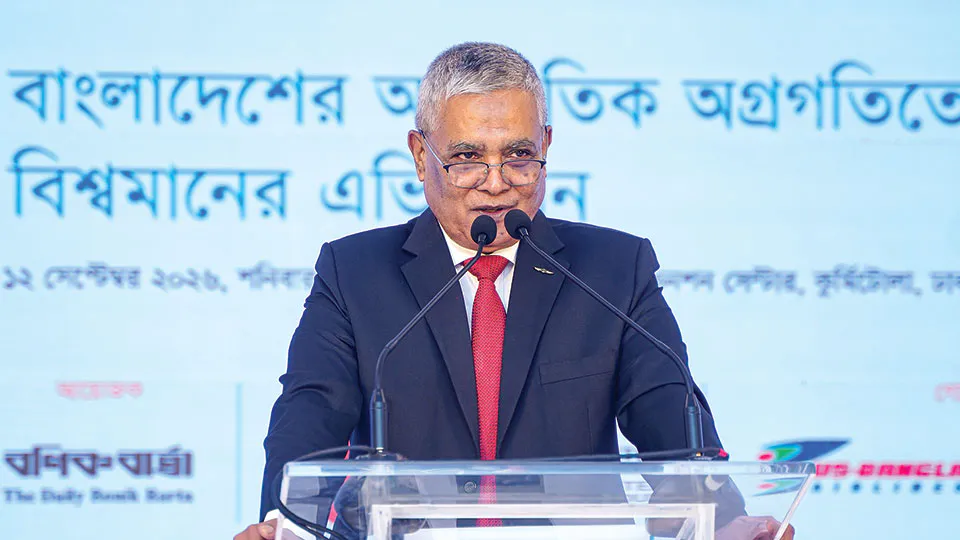 Mahmud Hussain
Air
Vice Marshal (retd) Mahmud Hussain, former Chairman of the Civil Aviation
Authority of Bangladesh (CAAB), said domestic airlines currently serve only
around 20 percent to 30 percent of the country's aviation demand, leaving
foreign carriers with the majority of the market.
He
estimated that a properly developed aviation industry could contribute between
USD 2.1 billion and UDS 3 billion to Bangladesh's GDP.
Hussain
called for CAAB to develop a long-term national aviation strategy and
strengthen its role as both regulator and service provider. He also urged
greater consultation with industry stakeholders when preparing new aviation
rules.
He
proposed annual aviation summits involving airlines, service providers,
academia and relevant government ministries to improve coordination and
understanding of industry needs.
He
also emphasized the need to develop local technical expertise, including
pilots, aircraft maintenance engineers and other aviation professionals.
MRO, training emerge as priorities
 Dewan Hanif Mahmud
Developing
maintenance, repair and overhaul facilities was repeatedly highlighted as a
priority at the event.
Millat
said the government plans to establish an international-standard MRO facility
to serve both Bangladeshi and foreign airlines.
Hussain
added the lack of local MRO capabilities forces airlines to send aircraft
overseas for major maintenance, increasing costs and causing foreign exchange
outflows.
He
also called for the development of flying schools and stronger collaboration
between the Bangladesh Air Force Training Centre and Aviation and Aerospace
University Bangladesh to address future shortages of pilots and aircraft
maintenance engineers.
The
government is also reviewing rules related to aircraft maintenance facilities
to make it easier for private airlines to establish and expand such operations.
Cargo
offers another growth avenue
Speakers
said Bangladesh's aviation ambitions should not be limited to passenger
traffic.
State Minister Kobir described the country's international air travel market as being worth around BDT 700 billion and said there was significant potential to expand connections with South and Southeast Asia, particularly China, Japan and South Korea.
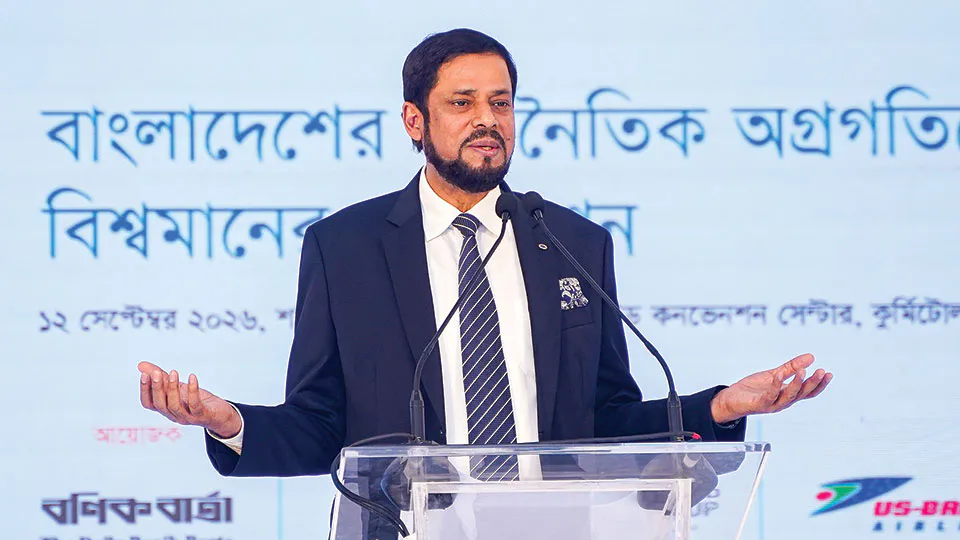 KM Mozibul Hoque
TAS
Group (AirAsia GSA in Bangladesh) Chairman KM Mozibul Hoque estimated
Bangladesh's broader aviation market at USD 5 billion to USD 6 billion, with
potential to reach USD 15 billion if the sector develops in a coordinated
manner.
He
said around 77 percent of the market is currently held by foreign airlines and
estimated that roughly USD 1.16 billion leaves Bangladesh annually through air
travel.
Hussain
also urged policymakers to strengthen cargo and export-related aviation
services, saying better connectivity could help retain more aviation-related
economic activity within Bangladesh.
Dhaka runway constraints remain major obstacle
 Md Noor-E-Alam
CAAB
Member for Air Traffic Management Air Commodore Md Noor-E-Alam said Hazrat
Shahjalal International Airport currently handles about 20 to 22 flights per
hour.
The
introduction of high-speed taxiways could eventually raise capacity to around
26 to 28 flights per hour by reducing runway occupancy time, he claimed.
However,
the airport's single-runway configuration remains a major constraint.
Noor-E-Alam mentioned CAAB is considering a dependent runway, although limited
space and existing development around the airport make such a project
challenging.
The
runway problem is particularly important for airlines because delays increase
fuel consumption, reduce aircraft utilization and affect punctuality.
Calls
for better
 Abdul Hai Sarker
Dhaka
Bank Board Chairman Abdul Hai Sarker said financing would not necessarily be a
barrier for viable aviation projects if investors can demonstrate sustainable
returns.
He
argued that Bangladesh's larger problem is inefficient management across areas
including ground handling, cargo, passenger services and flight operations.
Sarker added even relatively simple service failures can damage the experience of international passengers and tourists, emphasizing the need to improve operational standards alongside major infrastructure projects.
 Md Noor-E-Alam
Noor-E-Alam
mentioned Bangladesh has a strategic opportunity to become a regional aviation
hub because of its geographic position, expanding passenger and cargo markets
and growing airport infrastructure.
He
expressed CAAB is taking an integrated approach covering infrastructure,
technology, air traffic management and passenger services.
For
the government, the immediate challenge will be turning policy commitments into
practical reforms. The new aviation rules, Third Terminal operations, MRO
development, lower-cost business environment, expanded airline capacity and
stronger technical workforce will all be critical to determining whether
Bangladesh can translate its geographic advantage into a competitive aviation
hub.