

IndiGo to continue expansion, introduce A350s despite record jet fuel prices

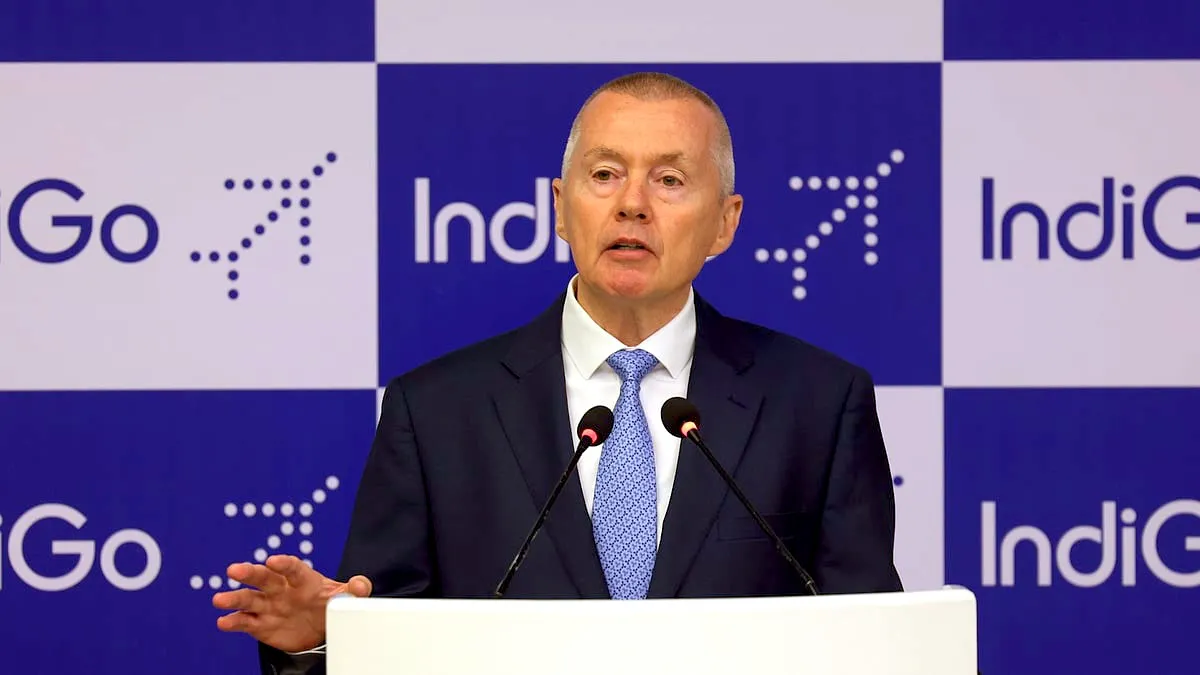
Dhaka: IndiGo CEO Willie Walsh said rising aviation turbine fuel prices are putting heavy pressure on the Indian carrier's operating costs, even as it continues its international expansion, according to Indian media reports.
Fuel makes up roughly 40% of IndiGo's total expenses, well above the global industry average of around 32%. Walsh said jet fuel prices are currently at record levels, making the environment especially tough for Indian airlines. IndiGo is managing the impact as effectively as possible.
He noted that several foreign carriers have benefited from fuel hedging arrangements. However, many of those contracts are set to expire as 2027 approaches, which could change the competitive cost landscape for airlines worldwide.
Despite the cost pressure, IndiGo will go ahead with its long-term plans, including inducting Airbus A350 wide-body jets in the second half of 2028. Walsh said the aircraft will help expand the airline's long-haul international network and strengthen its premium offerings.
On operations, the CEO said IndiGo ranked first in on-time performance for nine months of this year. He said consistent punctuality has driven customer satisfaction and helped the airline achieve record-high net performance scores. He also reiterated that safety remains its top priority.
Walsh said IndiGo has grown beyond the traditional low-cost carrier model. Its operations now span cargo services, premium offerings, and a sizable international network, built on a strong low-cost foundation.
He described the continued closure of Pakistani airspace as a concern for the aviation industry. He also said IndiGo has cut its flights to Saudi Arabia due to the prevailing situation in the Middle East.
Walsh called Navi Mumbai International Airport a significant opportunity for the airline. He said IndiGo expects its future operations to be spread across both Mumbai and Navi Mumbai airports.
He said the airline expects to keep growing, with international expansion and fleet development remaining central to its strategy.